
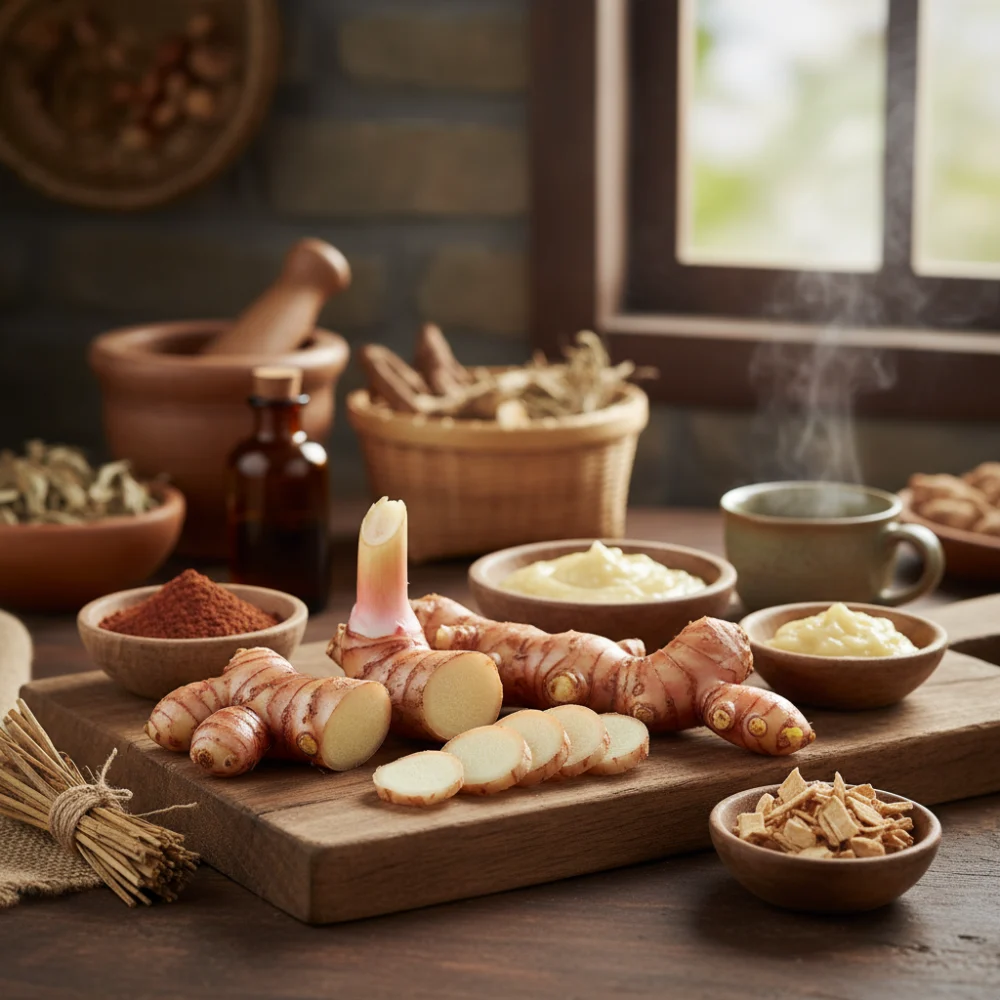
Galingale, often referred to as galangal, is a rhizomatous herb belonging to the Zingiberaceae family. While it shares a physical resemblance to ginger, its flavor profile is distinct, offering a sharp, citrusy, and earthy aroma. This guide explores the botanical identity of Galingale and its diverse roles in traditional medicine and global cuisines.
To effectively identify and use Galingale, you will need the following:
- Fresh or dried Galingale rhizomes (Greater or Lesser varieties)
- A sharp kitchen knife or microplane
- Knowledge of its flavor profile compared to ginger
- A mortar and pestle for traditional paste preparation
Understanding the Botanical Profile
The first step in mastering Galingale is distinguishing between the two primary types: Alpinia galanga (Greater Galangal) and Alpinia officinarum (Lesser Galangal). Greater Galangal is larger, with a milder, pine-like scent and orange-brown skin. Lesser Galangal is smaller, more pungent, and possesses a medicinal, peppery bite. Both varieties feature a hard, fibrous texture that is significantly tougher than common ginger.
Identifying Traditional Culinary Applications
Galingale is a cornerstone of Southeast Asian cooking. In Thai cuisine, it is the essential aromatic for Tom Kha Gai (coconut soup) and various curry pastes. Unlike ginger, which melts into dishes, Galingale is often sliced into thin rounds or pounded into a fine paste. It provides a cooling, camphoraceous top note that balances the heat of chilies and the richness of coconut milk.
Exploring Medicinal and Therapeutic Uses
Historically, Galingale has been utilized in Unani and Ayurvedic medicine. It is traditionally used to treat digestive ailments, including bloating and dyspepsia. Its antimicrobial and anti-inflammatory properties have also made it a staple in herbal infusions designed to alleviate respiratory issues. In medieval Europe, it was even prized as an aphrodisiac and a treatment for “cold” stomach conditions.
Preparing Galingale for Modern Use
To prepare fresh Galingale, start by washing the rhizome thoroughly. Because the skin is thin but tough, peeling is optional but recommended for older roots. Use a very sharp knife to cut across the grain into thin translucent slices, or use a grater to break down the dense fibers. If using dried slices, rehydrate them in warm water for thirty minutes before adding them to stews or stocks to release their essential oils.
Galingale is more than just a ginger substitute; it is a complex ingredient with a storied past and a unique chemical makeup. Whether you are using it to craft an authentic Thai curry or exploring its traditional healing properties, understanding its botanical profile ensures you harness its full potential in your culinary and wellness endeavors.

Related Posts