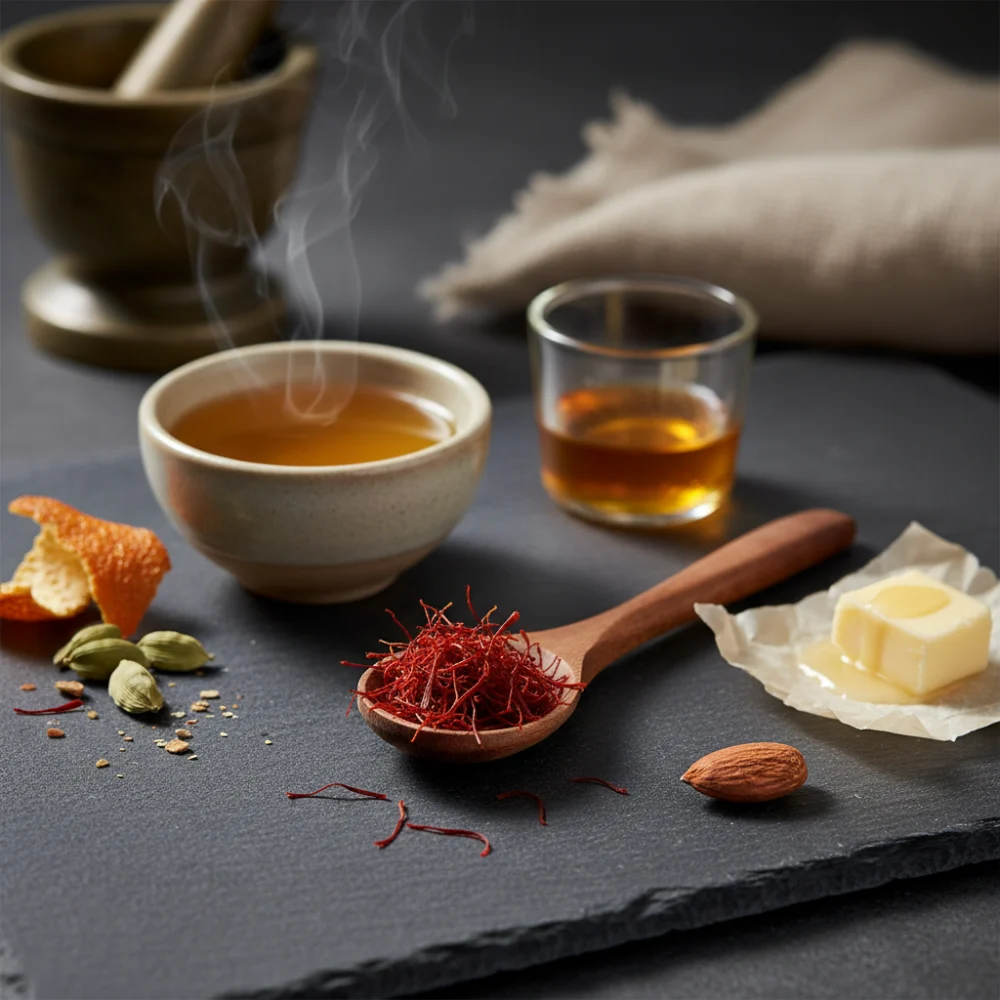
Saffron is often referred to as red gold, not just because of its high price tag but also due to its incredibly unique and complex flavor profile. Understanding how to describe the taste of saffron requires a keen palate and an appreciation for its floral, earthy, and slightly bitter nuances. This guide will walk you through the sensory journey of identifying these characteristics.
Requirements for a Proper Tasting
- High-quality Persian or Spanish saffron threads
- Warm water or milk for infusion
- Plain white bread or crackers as a palate cleanser
- A clean, scent-free environment
Step 1: Observe the Aroma Before Tasting
The sense of taste is closely linked to smell. Before placing saffron on your tongue, inhale its aroma deeply. High-quality saffron should smell like a combination of sweet hay and honey with a metallic edge. If it smells purely like chemicals or has no scent at all, it may be old or adulterated. Describing the aroma is the first step in articulating the overall taste experience.
Step 2: Identify the Initial Floral and Sweet Notes
When saffron first hits the palate, many people notice a subtle sweetness that is reminiscent of honey or nectar. However, this is not a sugary sweetness but rather a floral one. You might describe it as being similar to the scent of a blooming meadow or dried flowers. This delicate layer is what makes saffron so desirable in desserts like rice pudding or cakes.
Step 3: Note the Earthy and Musky Undertones
As the flavor develops, you will encounter the grounding elements of the spice. Saffron possesses a distinct earthiness that can be described as woody, musky, or even slightly reminiscent of tobacco. This depth is what allows saffron to pair so well with savory dishes like paella or risotto. It provides a robust foundation that balances out the lighter floral notes.
Step 4: Detect the Characteristic Bitterness
One of the most defining traits of authentic saffron is its slight bitterness. This bitterness comes from picrocrocin, a compound unique to the spice. It should not be overwhelming; instead, it should provide a sharp, clean finish that cuts through rich or fatty ingredients. If a spice claiming to be saffron is purely sweet without any bitter edge, it is likely a counterfeit.
Step 5: Evaluate the Metallic Aftertaste
Finally, pay attention to the lingering sensation after swallowing. Saffron often leaves a faint metallic or iodine-like finish on the tongue. While this might sound unappealing, in the context of the spice’s complex profile, it adds a sophisticated brightness. This chemical-like tang is a hallmark of the crocin content within the stigmas.
Conclusion
Describing the taste of saffron is a challenge because it occupies several flavor categories simultaneously. By breaking it down into floral, earthy, bitter, and metallic components, you can better appreciate why this spice is so revered in global cuisine. Practice tasting it in simple infusions to sharpen your ability to distinguish these subtle layers.

Related Posts