
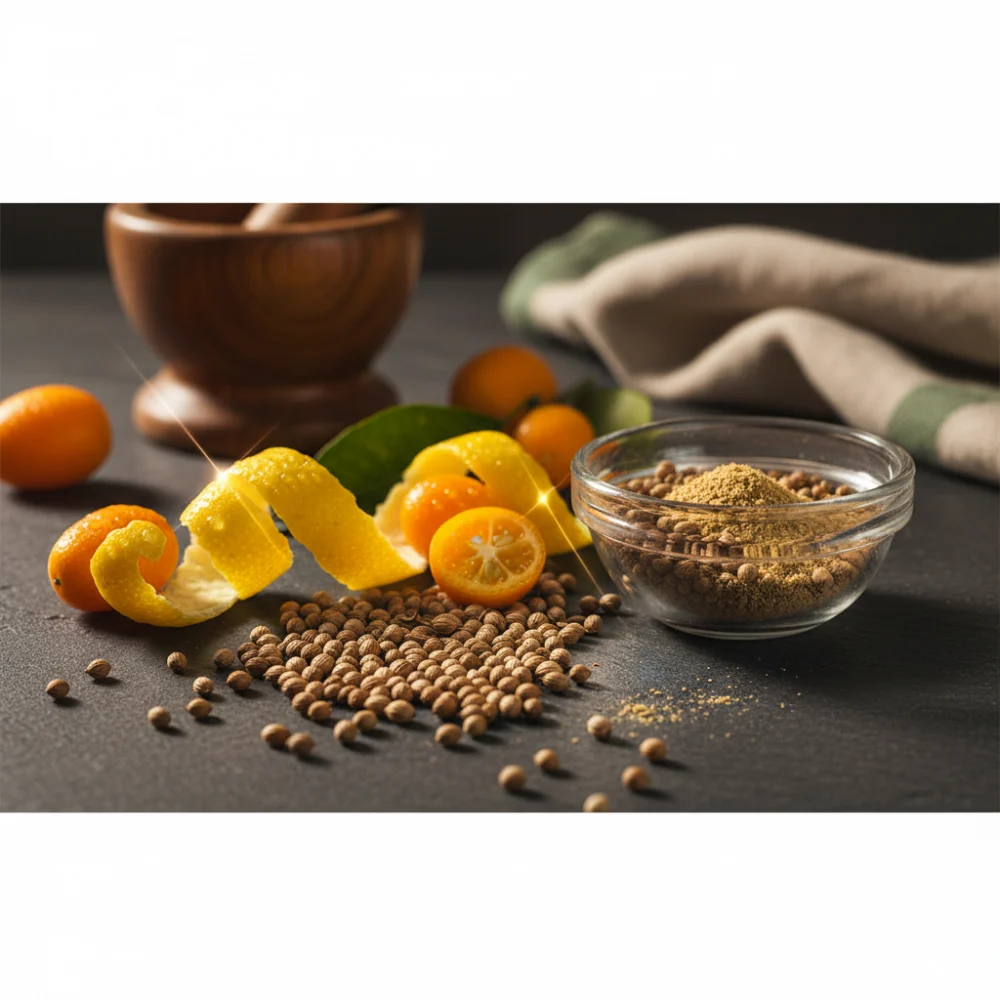
Introduction to Coriander’s Aromatic Profile
Coriander seeds, derived from the cilantro plant (Coriandrum sativum), are a staple in global cuisines. While often associated with earthy and nutty tones, high-quality coriander seeds possess a distinct citrus-like brightness. This guide explores how to isolate and enhance these lemony notes for culinary excellence.
Requirements for Your Tasting Session
- Whole coriander seeds (preferably Indian or Moroccan varieties)
- A mortar and pestle or a spice grinder
- A dry frying pan
- Clean water for palate cleansing
- A small glass jar for storage
Step 1: Selecting the Right Seeds
To experience the best citrus notes, start with whole seeds rather than pre-ground powder. Look for seeds that are light brown or yellowish-green. Indian coriander, often called Dhania, tends to be more elongated and offers a more pronounced lemony scent compared to the rounder, more savory European varieties.
Step 2: Activating Oils Through Toasting
Place your whole seeds in a dry pan over medium-low heat. Gently toast the seeds for two to three minutes, shaking the pan frequently. As the seeds heat up, the volatile oils, specifically linalool and geraniol, begin to release. You will notice the aroma shifting from a raw, herbal scent to a bright, citrusy perfume.
Step 3: Crushing to Release Aromatics
Once toasted and cooled slightly, use a mortar and pestle to coarsely crush the seeds. This physical breakdown ruptures the oil glands within the seed coat. Take a deep breath as you grind; the smell of lemon and lime zest should be most intense at this specific stage.
Step 4: Incorporating into Infusions
To truly taste the citrus without the grit, infuse the crushed seeds into a warm liquid like oil or simple syrup. Let the seeds steep for ten minutes. This method isolates the water-soluble and oil-soluble citrus compounds, allowing you to use the flavored liquid in dressings or desserts.
Conclusion
Exploring the citrus notes in coriander seeds reveals a layer of complexity often overlooked in home cooking. By selecting fresh seeds and using heat to activate their natural oils, you can transform a humble pantry spice into a vibrant, zesty ingredient that elevates both sweet and savory dishes.

Related Posts