The Scoville Scale is the universal standard for measuring the pungency or spicy heat of chili peppers and other spicy foods. Developed in 1912 by pharmacist Wilbur Scoville, this measurement system quantifies the concentration of capsaicinoids, the chemical compounds responsible for the burning sensation on the tongue. Understanding how these units work is essential for culinary enthusiasts and scientists alike.
Requirements for Understanding Heat Profiles
- Access to a Scoville Heat Unit (SHU) Chart: A reference guide to compare different pepper varieties.
- Knowledge of Capsaicin: Understanding the active component that triggers heat receptors.
- Analytical Tools: For modern accuracy, High-Performance Liquid Chromatography (HPLC) is the industry standard.
Step 1: Identify the Chemical Catalyst
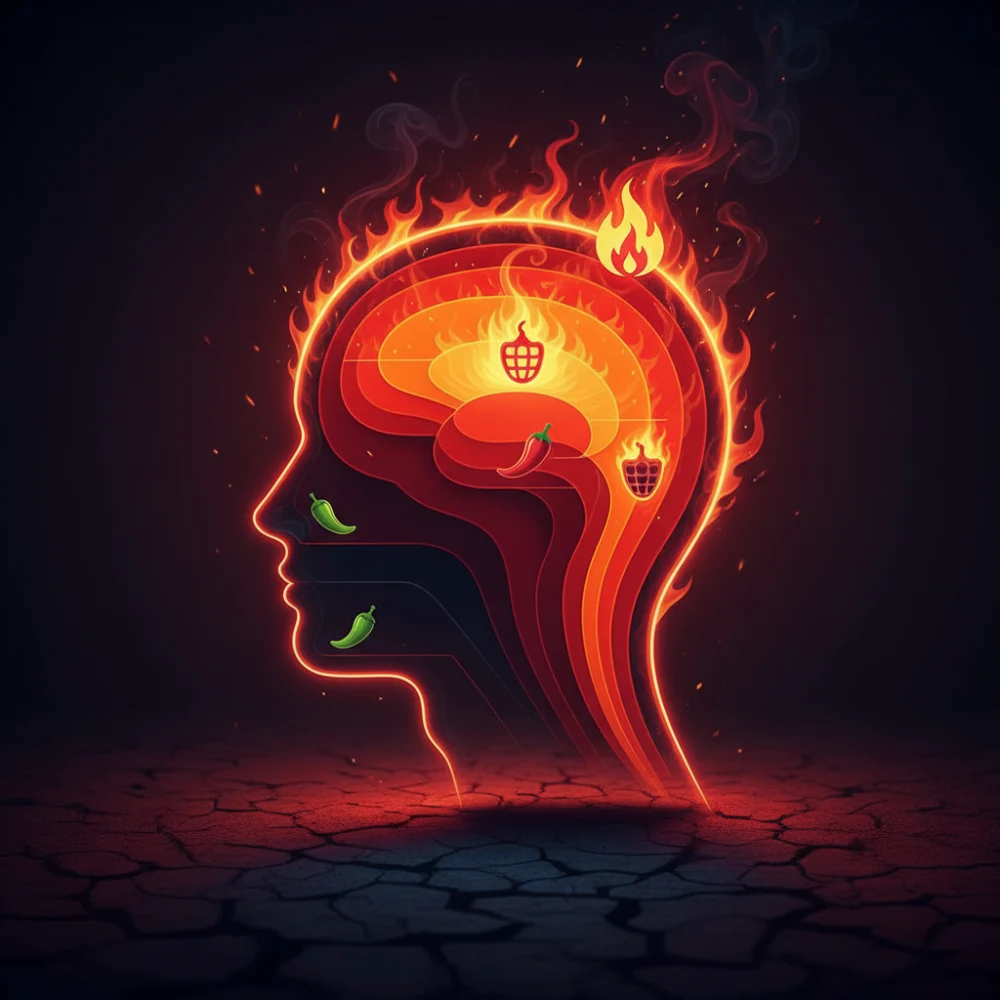
The first step in understanding the profile of heat is identifying capsaicin. Capsaicin is an alkaloid found in the placental tissue of peppers. When consumed, it binds to TRPV1 receptors in the mouth, which normally detect heat. This trickery sends a signal to the brain that the body is being burned, even though no actual thermal burn occurs.
Step 2: Learn the Scoville Organoleptic Test
Historically, heat was measured using the Scoville Organoleptic Test. In this method, an extract of the pepper is diluted in sugar water until the “heat” is no longer detectable by a panel of five trained tasters. The degree of dilution gives the pepper its SHU rating. For example, a pepper with 5,000 SHU required 5,000 times its volume in water to neutralize the burn.
Step 3: Utilize High-Performance Liquid Chromatography
Today, the subjective tasting method has been largely replaced by High-Performance Liquid Chromatography (HPLC). This scientific process separates the capsaicinoids and measures their concentration in parts per million. These results are then converted back into Scoville units to maintain the traditional scale while providing much higher precision and reliability.
Step 4: Categorize Peppers by Intensity
To navigate the scale, you must categorize peppers into tiers. Bell peppers sit at 0 SHU, while Jalapeños range from 2,500 to 8,000 SHU. Moving up, Habaneros reach 100,000 to 350,000 SHU. The “super-hot” category, including the Carolina Reaper, can exceed 2,000,000 SHU, representing pure chemical intensity.
Conclusion
The Scoville Scale remains the definitive guide for understanding the complexity of spicy flavors. By moving from historical organoleptic testing to modern chemical analysis, we can accurately profile the heat of any substance. Whether you are a casual diner or a hot sauce connoisseur, knowing the SHU helps you manage the culinary fire safely.

Related Posts