
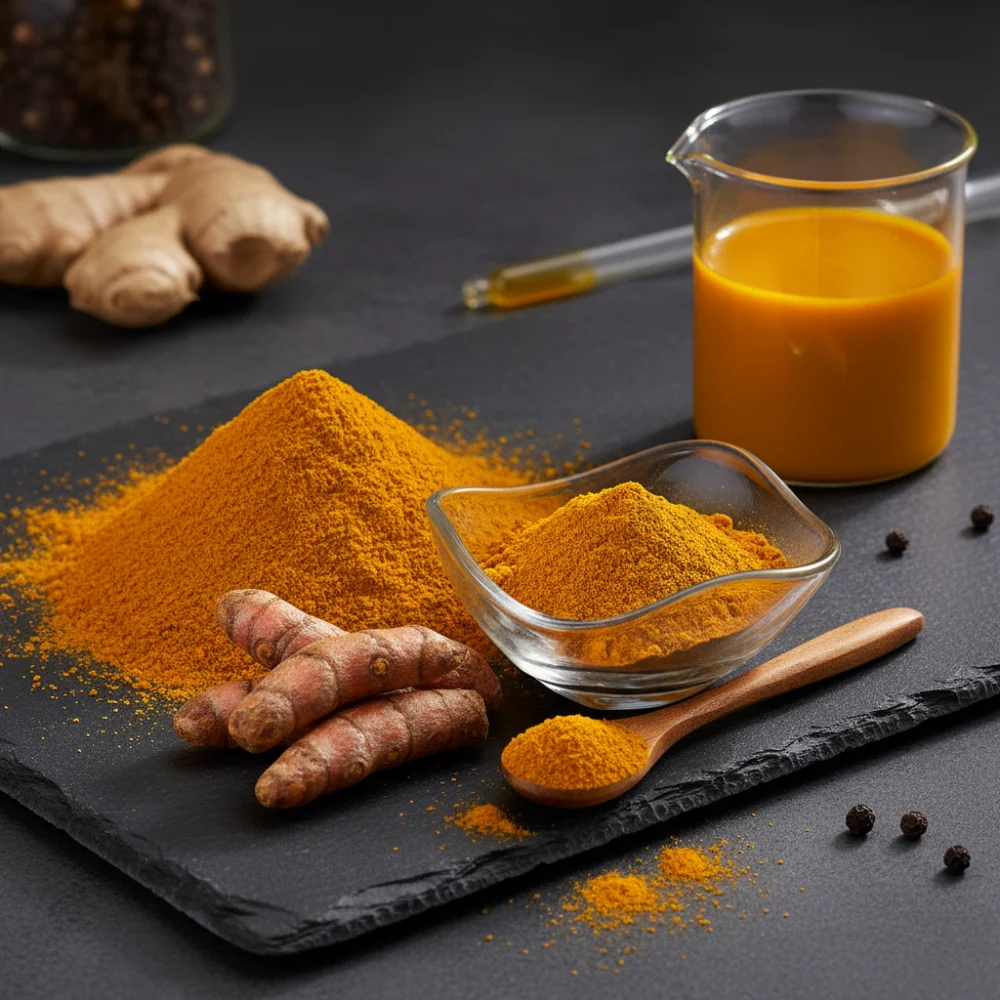
Turmeric powder is a ubiquitous staple in spice racks across the globe, renowned for its earthy flavor and its ability to impart a brilliant golden hue to curries, mustards, and even textiles. However, few people stop to consider exactly what this substance is or the specific biological mechanisms that generate its intense color. This guide serves as an educational journey, breaking down the botanical and chemical properties of turmeric to answer exactly what it is and why it possesses such a distinctive appearance.
Prerequisites for Understanding
Before diving into the specifics of turmeric, it helps to understand a few basic concepts regarding botany and natural pigments. To follow this guide effectively, you simply need an interest in food science and a basic understanding that plants produce chemical compounds for defense and growth.
- Botanical Classification: Basic knowledge of the ginger family (Zingiberaceae).
- Chemistry Basics: An understanding of pigments and solubility.
Step 1: Identifying the Botanical Source
To understand what turmeric powder is, one must first look at the plant itself. Turmeric powder is derived from the rhizome (underground stem) of the plant known scientifically as Curcuma longa. This plant is a flowering perennial belonging to the ginger family. Unlike roots which absorb nutrients, rhizomes are horizontal stems that store starches and proteins to help the plant survive unfavorable seasons. The part used for the powder is this fleshy, tuberous rhizome, which looks very similar to ginger root but with a rougher skin and a deep orange flesh.
Step 2: The Transformation from Root to Powder
Turmeric does not grow as a powder; it requires a specific processing method to reach the form found in grocery stores. The process begins with harvesting the rhizomes once the plant’s leaves and stems have dried out. These rhizomes are then boiled or steamed to remove the raw odor, gelatinize the starch, and produce a more uniform color. After boiling, the rhizomes are dried in hot ovens or under the sun until they become hard and brittle. Finally, these dried roots are ground into the fine, yellow-orange powder we recognize as a spice.
Step 3: Uncovering the Source of the Orange Color
The primary reason turmeric powder is orange lies in its chemical composition. The rhizome contains a class of bioactive compounds called curcuminoids. The most abundant and significant of these is curcumin. Curcumin is a polyphenol pigment that is lipophilic, meaning it dissolves in fat but not well in water. This specific molecule absorbs blue light and reflects yellow and red light, resulting in the vibrant orange-yellow spectrum perceived by the human eye. The concentration of curcumin in the rhizome typically ranges from 2% to 5%, which is high enough to stain almost anything it touches.
Step 4: Observing Color Changes and pH Sensitivity
An interesting way to confirm the presence of curcumin and understand its color properties is to observe how it reacts to different environments. Turmeric powder acts as a natural pH indicator. In acidic or neutral environments (like most food preparations), it maintains its classic yellow-orange color. However, if exposed to an alkaline substance (such as baking soda or soap), the curcumin undergoes a chemical structural change, turning the powder into a deep, blood-red color. This chemical volatility is a defining characteristic of the curcuminoid pigment.
Conclusion
In summary, turmeric powder is the ground, dried rhizome of the Curcuma longa plant, a relative of ginger. Its signature bright orange color is not an artificial additive but the result of curcumin, a powerful natural pigment and antioxidant found within the plant’s cells. Understanding these biological and chemical foundations allows for a greater appreciation of this ancient spice, not just as a flavor enhancer, but as a complex botanical specimen with unique scientific properties.

Related Posts