
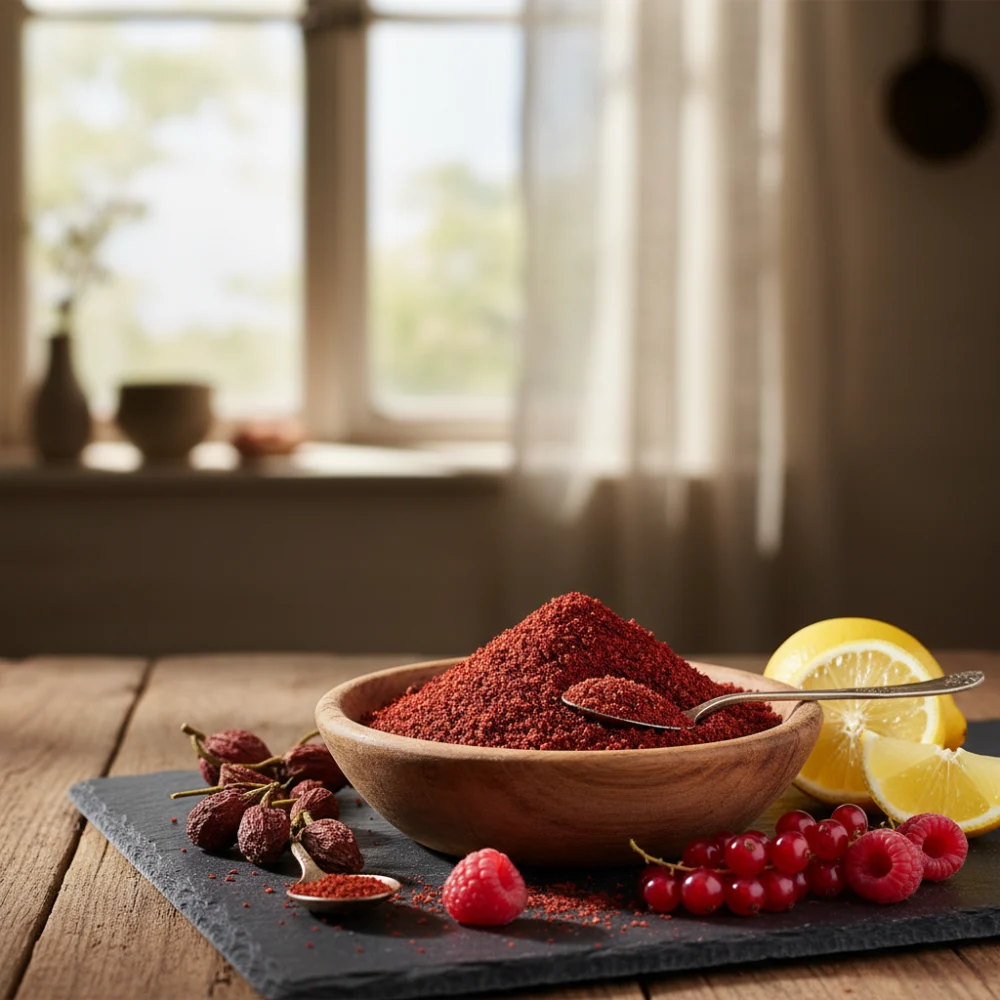
Sumac is a versatile spice derived from the dried and ground berries of the Rhus coriaria shrub. Renowned for its vibrant crimson hue and a flavor profile that mimics fresh lemon juice, it is a staple in Middle Eastern and Mediterranean cuisines. Understanding its tart and fruity essence allows cooks to add brightness to dishes without introducing additional liquid, making it a unique tool in the culinary arsenal.
Essential Requirements for Using Sumac
- High-quality ground sumac (look for deep red color)
- A variety of proteins like chicken, fish, or lamb
- Fresh vegetables such as cucumbers, tomatoes, and red onions
- Dairy bases like Greek yogurt or labneh
- Extra virgin olive oil for infusion
Step 1: Selecting and Storing Your Sumac
The first step in capturing the true essence of sumac is ensuring you have a high-quality product. Look for a deep, rich burgundy color rather than a dull brown, as the color indicates freshness and a higher concentration of malic acid. Store your sumac in an airtight container away from direct sunlight and heat to preserve its volatile oils and signature tang.
Step 2: Assessing the Salt Content
Many commercially available sumac powders are processed with a small amount of salt to act as a preservative and to help draw out moisture during the grinding process. Before adding it to your recipe, taste a small pinch to determine its salinity. This will help you adjust the overall salt levels in your dish, ensuring the tartness remains the star of the show.
Step 3: Incorporating Sumac into Dry Rubs and Marinades
To maximize the fruity profile, use sumac as a primary component in dry rubs. Combine it with thyme, sesame seeds, and salt to create the classic Za’atar blend, or rub it directly onto poultry or seafood before grilling. The heat of the grill will slightly mellow the acidity while intensifying the berry-like undertones of the spice.
Step 4: Finishing Dishes with a Zesty Garnish
Sumac is often best used as a finishing touch. Sprinkle it over hummus, baba ganoush, or fattoush salad just before serving. Because it does not dissolve like salt or sugar, it provides a textural pop and a concentrated burst of acidity that cuts through rich, fatty ingredients like olive oil or tahini.
Conclusion
Mastering the tart and fruity profile of sumac opens up a world of culinary possibilities. Whether you are looking to replace lemon juice in a vinaigrette or add a complex layer of flavor to roasted meats, this ancient spice offers a unique combination of sourness and fruitiness that is unmatched by other seasonings.

Related Posts