
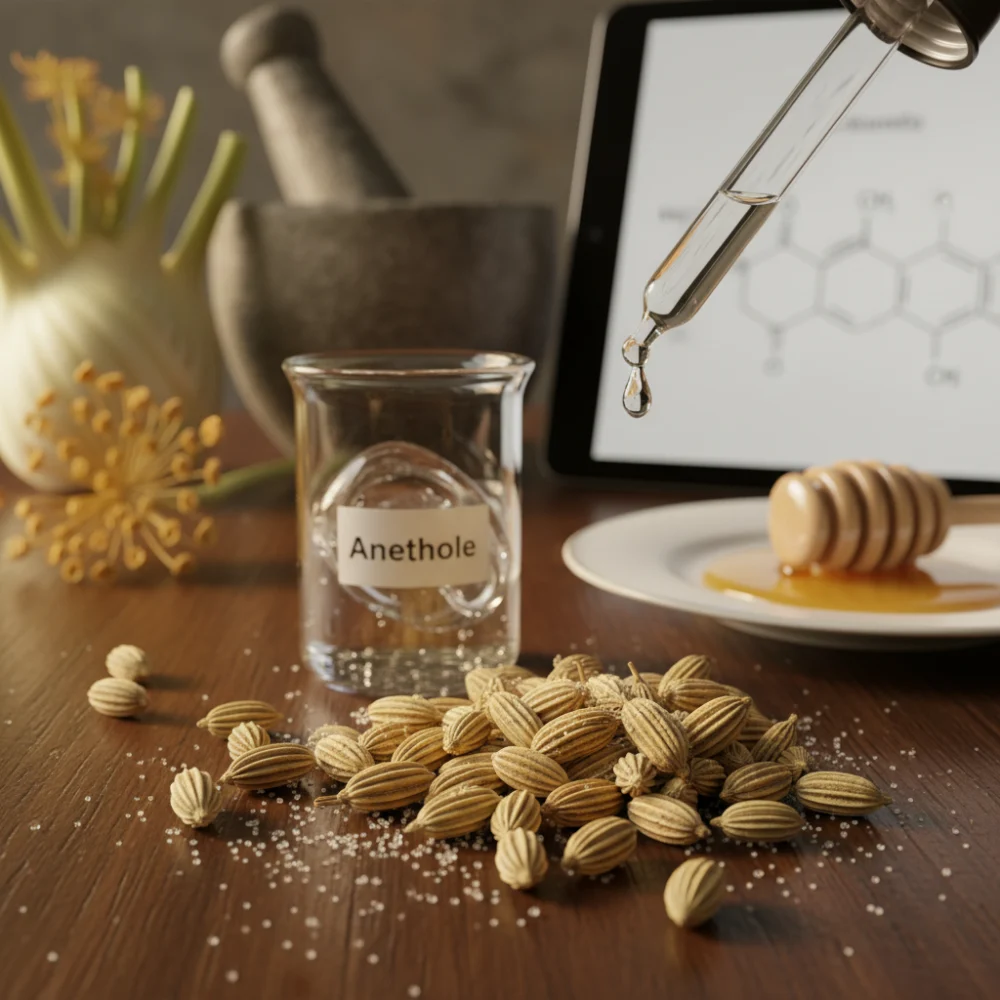
Introduction to Fennel Sweetness
Fennel seeds, the dried fruits of the Foeniculum vulgare plant, are prized globally for their distinct licorice-like flavor and natural sweetness. Unlike fruits that rely on fructose, the sweetness of fennel seeds is derived from a complex arrangement of essential oils and organic compounds. This guide explores the step-by-step reasons why these seeds provide a sugary sensation on the palate and how they interact with our sensory system.
Requirements for Tasting Analysis
To follow this guide and experience the flavor profile accurately, you will need the following:
- Fresh whole fennel seeds: Ensure they are green or bright green for maximum oil content.
- Clean palate: Avoid eating spicy or highly acidic foods before testing.
- A mortar and pestle: Useful for breaking the seed hull to release volatile oils.
- Neutral water: To rinse your mouth between different spice samples.
Step 1: Identify the Role of Anethole
The primary reason for the sweet taste in fennel seeds is the presence of a compound called anethole. Anethole is an organic ether that is approximately 13 times sweeter than sucrose (table sugar) by weight. It is highly concentrated in the essential oils of the seed. When you chew the seed, these oils are released, and the anethole molecules immediately interact with the sweet-sensitive taste buds on your tongue, providing an instant sugary hit without the presence of actual carbohydrates.
Step 2: Understand the Biological Receptor Interaction
The sweetness of fennel is a result of how our G-protein coupled receptors (GPCRs) respond to specific molecular shapes. The structure of anethole allows it to bind effectively to the T1R2 and T1R3 receptors, which are the primary sensors for sweetness in humans. Because the bond is quite strong, the sweet sensation often lingers longer than that of regular sugar, leading to the refreshing aftertaste that fennel is famous for.
Step 3: Analyze Supporting Aromatic Compounds
While anethole does the heavy lifting, other compounds like estragole and fenchone contribute to the overall flavor experience. Estragole provides a mild, herbal sweetness similar to basil or tarragon, while fenchone adds a slight bitterness and a cooling sensation. This cooling effect acts as a contrast, which paradoxically makes the sweet notes of the anethole stand out more prominently to the brain, much like how a pinch of salt enhances the sweetness in chocolate.
Step 4: Observe the Impact of Seed Freshness
To fully appreciate why fennel tastes sweet, one must observe the difference between fresh and old seeds. Over time, the volatile oils containing anethole evaporate or oxidize. If you taste an old, brown fennel seed, the sweetness will be significantly diminished, replaced by a woody or dusty flavor. Therefore, the sweetness is directly proportional to the concentration of preserved essential oils within the seed’s internal chambers.
Conclusion
In conclusion, the sweet profile of fennel seeds is a masterclass in natural chemistry. Through the high concentration of anethole and the supporting roles of estragole and fenchone, the seeds provide a potent sweet sensation that serves as both a culinary delight and a functional palate cleanser. Understanding these chemical interactions allows chefs and enthusiasts to better utilize fennel in balancing savory and sweet dishes alike.

Related Posts