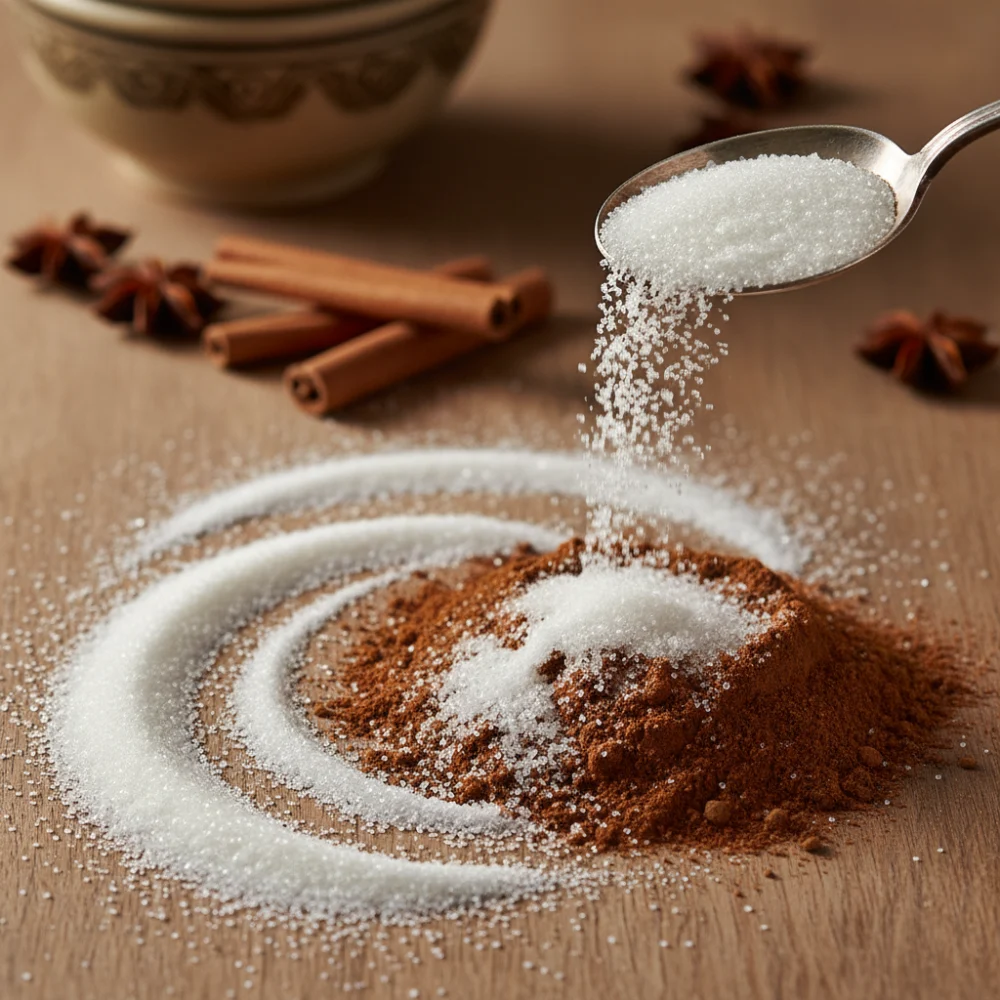
Cinnamon and sugar are a staple pairing in global cuisine, found in everything from Mexican churros to Scandinavian cinnamon rolls. The synergy between these two ingredients is not just a matter of tradition; it is rooted in the complex chemical interactions between the warm, spicy notes of the cinnamon bark and the sweet, neutralizing properties of sucrose. Understanding this relationship allows cooks to elevate simple desserts into sophisticated flavor experiences by balancing heat, sweetness, and aroma.
To experiment with this pairing and understand its mechanics, you will need the following items:
- High-quality ground cinnamon: Preferably Ceylon for a subtle, floral sweetness or Cassia for a bold, spicy kick.
- Granulated sugar: Standard white sugar for a clean profile or brown sugar for added molasses depth.
- A mixing bowl: For blending the dry ingredients thoroughly.
- A heat source: Such as an oven or stovetop to trigger the necessary chemical reactions like caramelization.
Step 1: Analyze the Flavor Contrast
The first step in understanding this pairing is recognizing the sensory contrast. Cinnamon contains cinnamaldehyde, a compound that provides a sharp, woody, and slightly bitter taste. Sugar acts as a flavor enhancer that masks the bitterness while highlighting the aromatic oils. When combined, the sugar provides a sweet foundation that allows the complex, volatile compounds of the cinnamon to shine without overwhelming the palate. This balance is why the pair feels both comforting and exciting.
Step 2: Determine the Ideal Ratio
Achieving the perfect balance is crucial for different culinary applications. For a standard cinnamon-sugar mix used for dusting, a common ratio is one part cinnamon to four parts sugar. However, for heavy baking, you may want to increase the cinnamon ratio to ensure the spice survives the dilution of flour and eggs. Experimenting with different types of sugar, such as Muscovado or Turbinado, can also change the texture and moisture content, providing a crunchier or more caramel-like finish.
Step 3: Master the Mixing Process
Proper integration ensures that every bite has a consistent flavor profile. Always whisk the cinnamon and sugar together before adding them to wet ingredients or sprinkling them on food. Because cinnamon is hydrophobic, meaning it repels water, mixing it with sugar first helps it distribute more evenly when it comes into contact with fats or liquids like butter or milk. This prevents clumps of dry, bitter spice and ensures a smooth mouthfeel.
Step 4: Apply Heat for Caramelization
The magic of cinnamon and sugar truly unfolds under the influence of heat. When the mixture is baked or toasted, the sugar undergoes caramelization, turning into a rich, complex syrup. Simultaneously, the heat releases the essential oils in the cinnamon, intensifying its fragrance and making it more volatile. This process creates a Maillard reaction that adds toasted, nutty notes to the sweetness, resulting in the iconic flavor profile found in gourmet pastries and spiced treats.
In conclusion, the pairing of cinnamon and sugar is a masterclass in culinary balance and chemical synergy. By combining the heat and depth of the spice with the simple sweetness of sugar, you create a flavor that is significantly greater than the sum of its parts. Whether you are using it as a simple topping or a core ingredient in a complex pastry, understanding the science behind this duo ensures professional and delicious results every time.

Related Posts