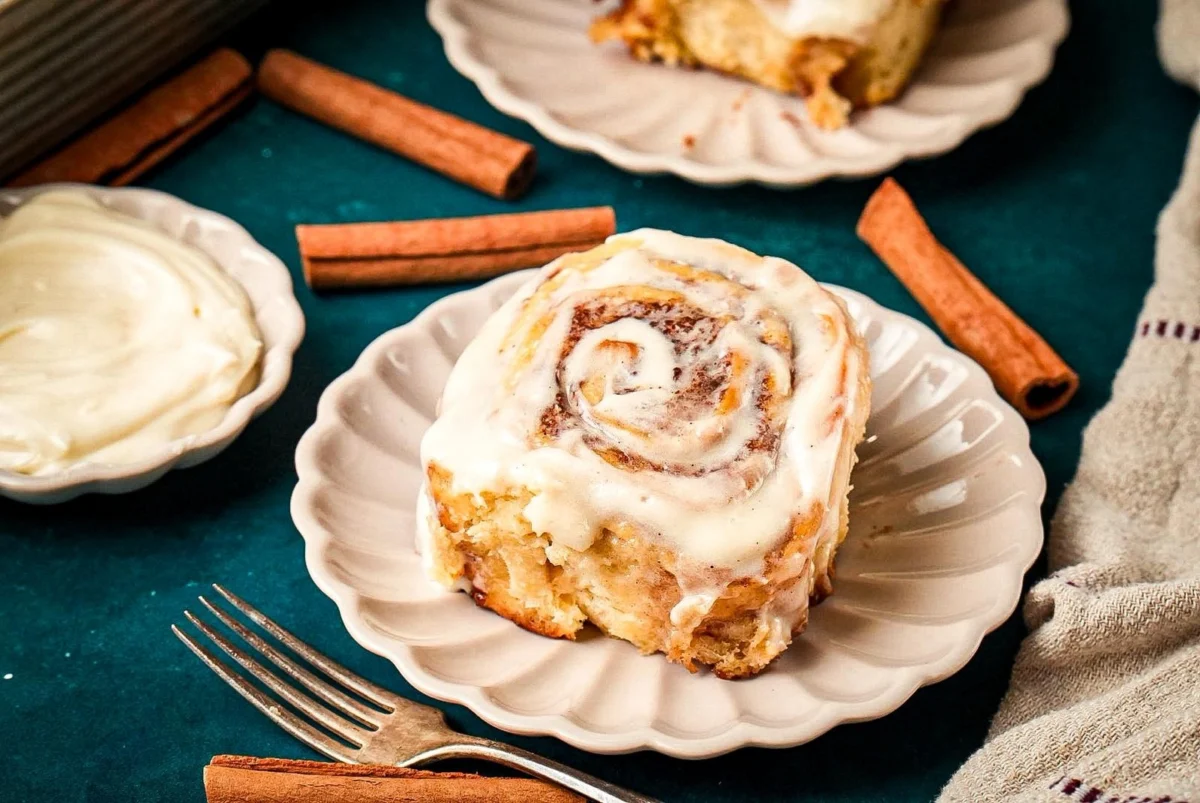
There is perhaps no aroma more evocative of home, comfort, and weekend indulgence than the scent of warm cinnamon and caramelized sugar wafting from a kitchen oven. Cinnamon rolls have long stood as a pillar of comfort food, transcending their status as a mere breakfast item to become a beloved treat for brunches, mid-afternoon snacks, and decadent desserts alike. While commercial versions are readily available, the experience of crafting them from scratch—achieving that signature pillowy, cloud-like dough swirled with a rich, buttery filling—is a culinary pursuit that rewards both the baker and those fortunate enough to enjoy the final result.
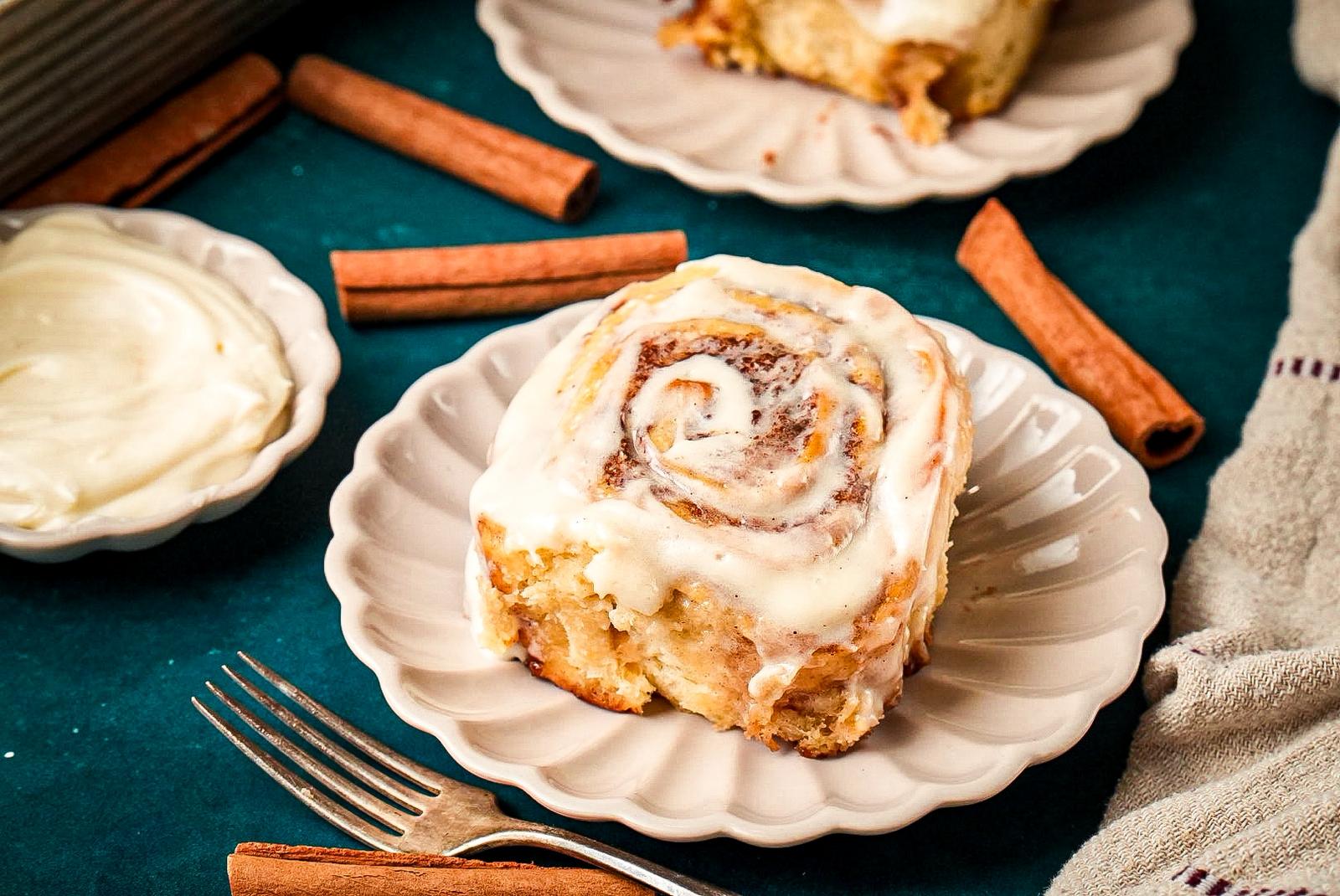
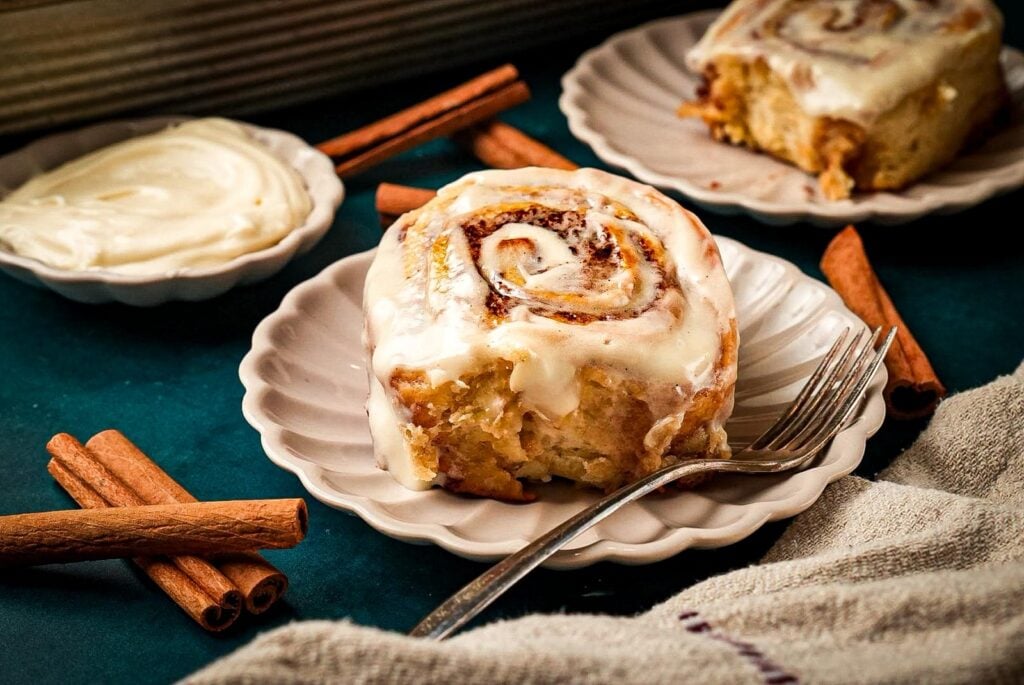
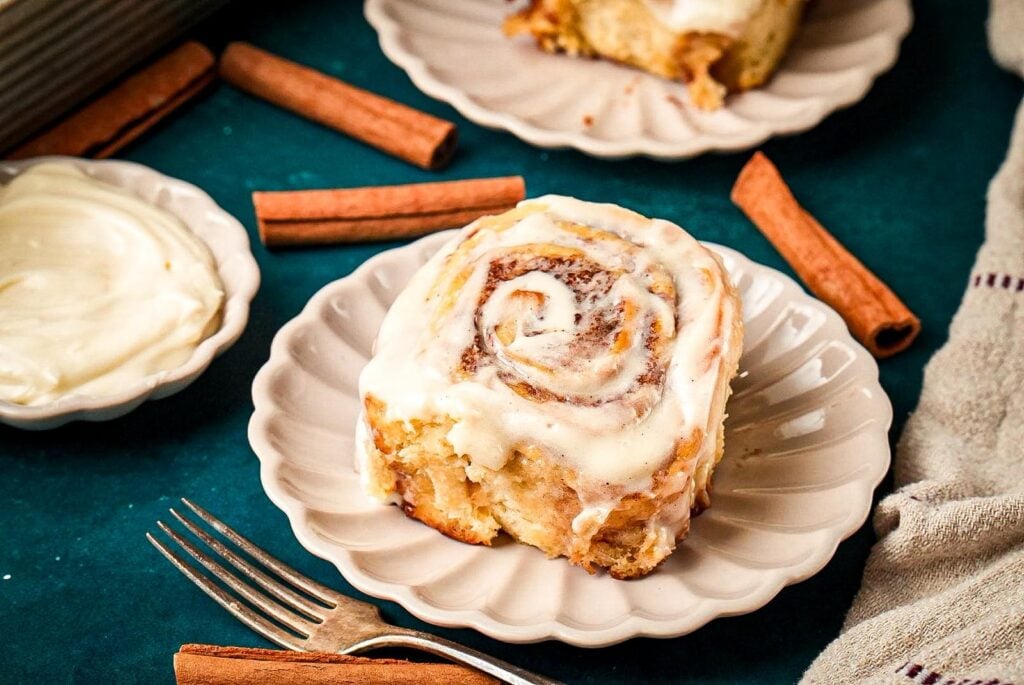
The secret to a truly exceptional cinnamon roll lies in the balance of textures and flavors. At its core, the dough is typically enriched with milk, eggs, and butter, creating a tender, brioche-like crumb that provides the perfect vessel for the filling. This filling, a harmonious blend of brown sugar and aromatic cinnamon, melts during the baking process to create that iconic gooey center. Once the rolls are removed from the oven, the final touch—a luscious, tangy cream cheese frosting—begins to soften and seep into every crevice, creating a sensory experience that is difficult to replicate with pre-packaged alternatives.
The Foundation: Understanding the Dough and Ingredients
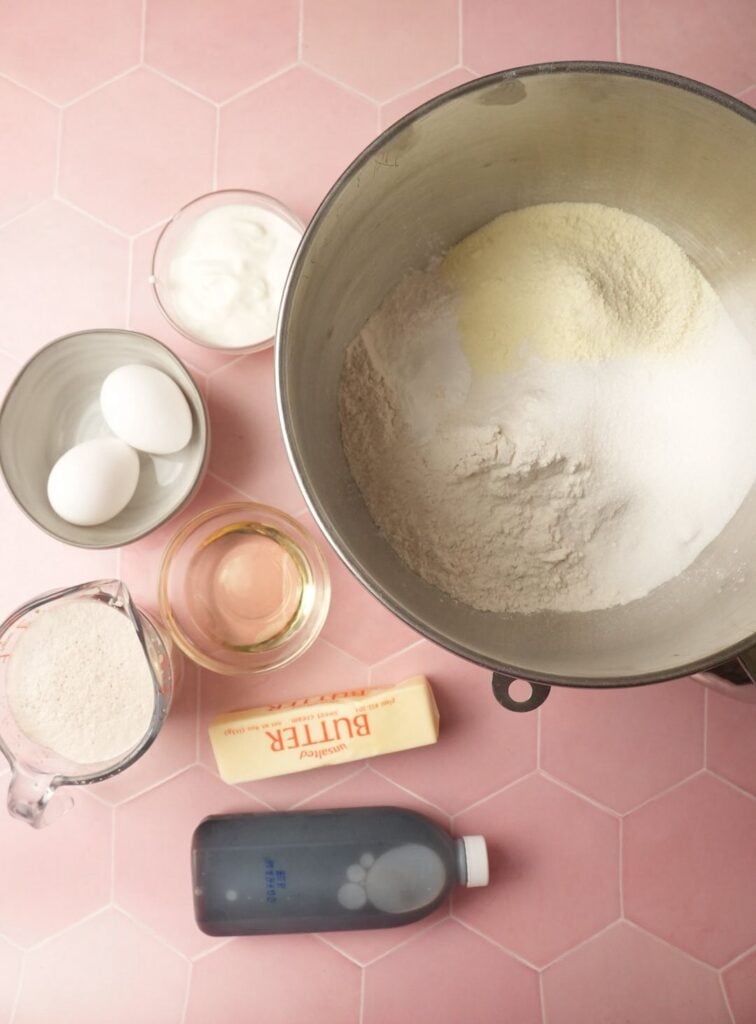
Achieving the perfect cinnamon roll begins with an understanding of the fundamental ingredients. The process requires a degree of precision, particularly regarding the activation of the yeast. Warm milk serves as the lifeblood of the dough, providing the necessary warmth to bring yeast to life. It is crucial, however, that this milk remains at a moderate temperature; if the liquid is too hot, it can inadvertently kill the yeast, while water or milk that is too cold will fail to stimulate the fermentation process required for a proper rise. Once the yeast is activated, it is combined with a base of all-purpose flour, powdered milk, baking powder, and a precise measure of sugar and salt.
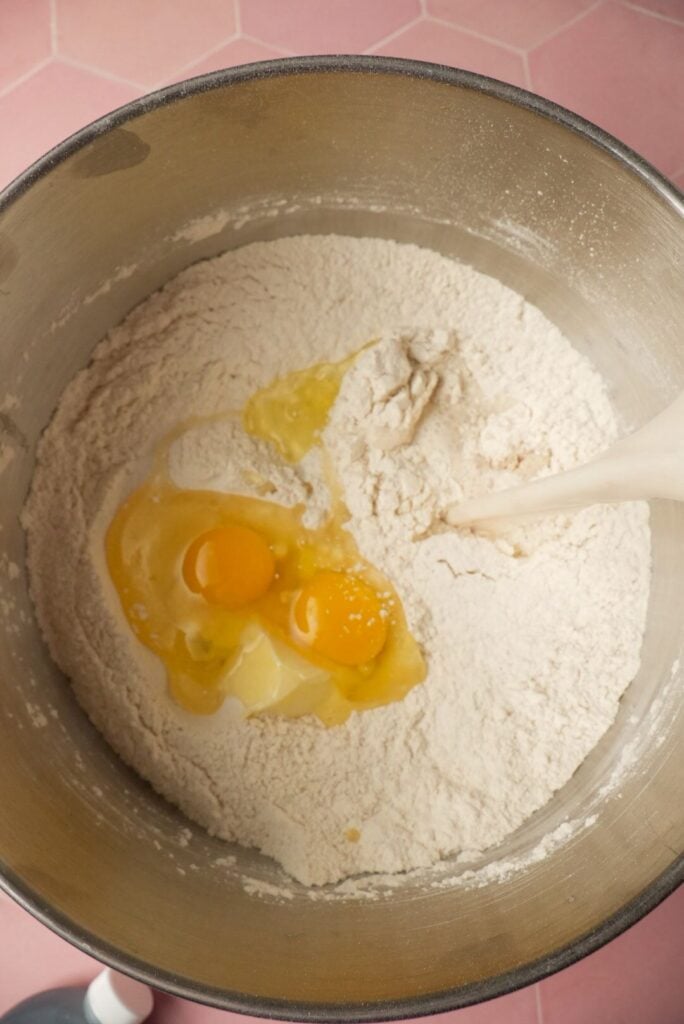
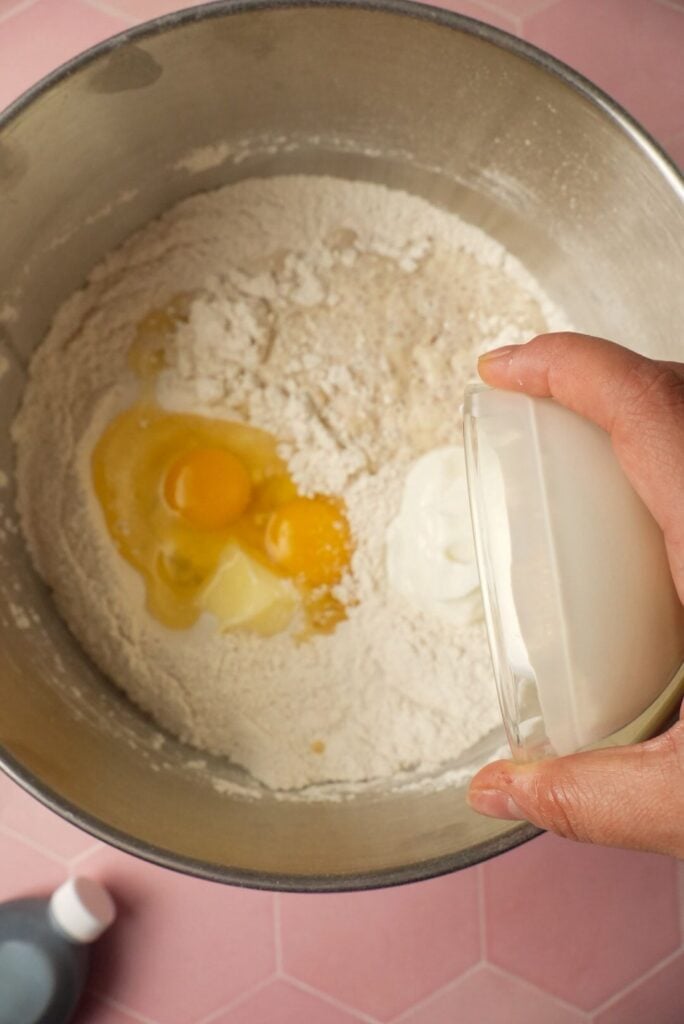
The richness of the dough is further elevated by the inclusion of eggs, yogurt, softened butter, and a hint of vanilla extract. The addition of yogurt is a notable technique, providing a subtle acidity that helps tenderize the gluten, resulting in a significantly softer texture. Once these components are integrated, the dough undergoes a thorough kneading process. Whether utilizing a stand mixer or working by hand, the objective is to reach a state where the dough is soft and slightly tacky, but manageable. This stage is vital; if the dough remains too sticky, a small amount of additional flour can be incorporated, but bakers are cautioned to avoid adding too much, as this can result in a dense or tough roll rather than a fluffy one.
Mastering the Assemble and Bake Process
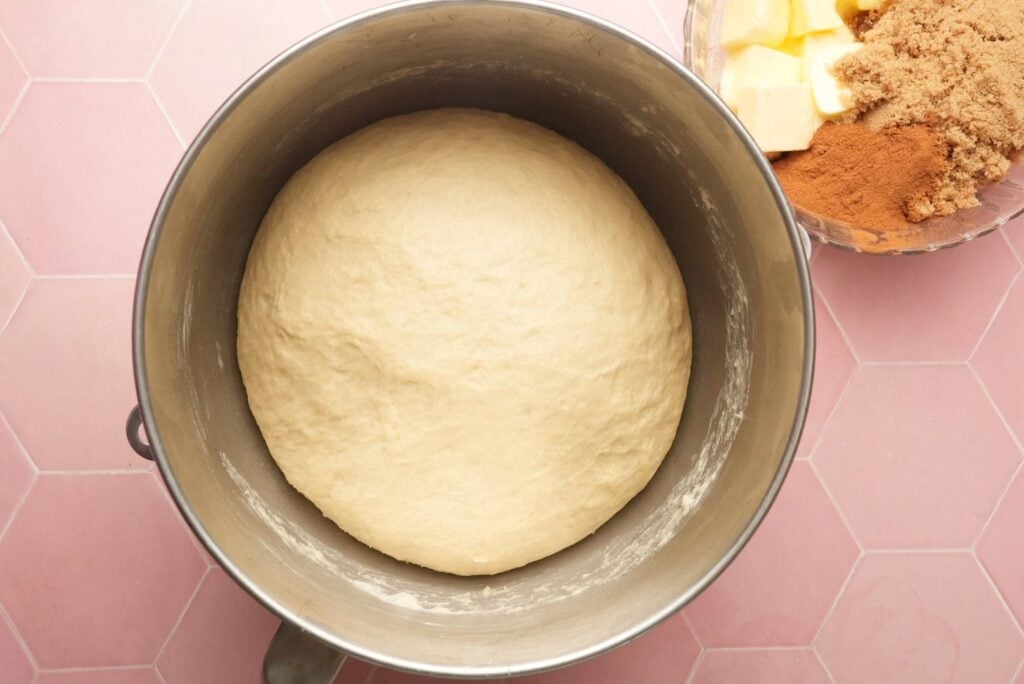
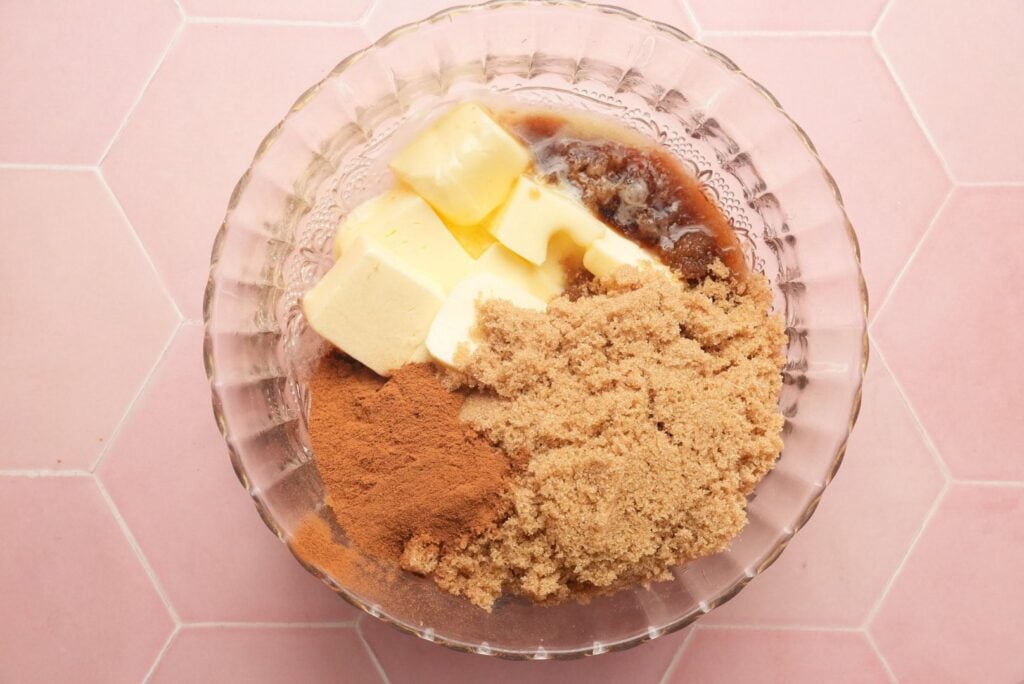
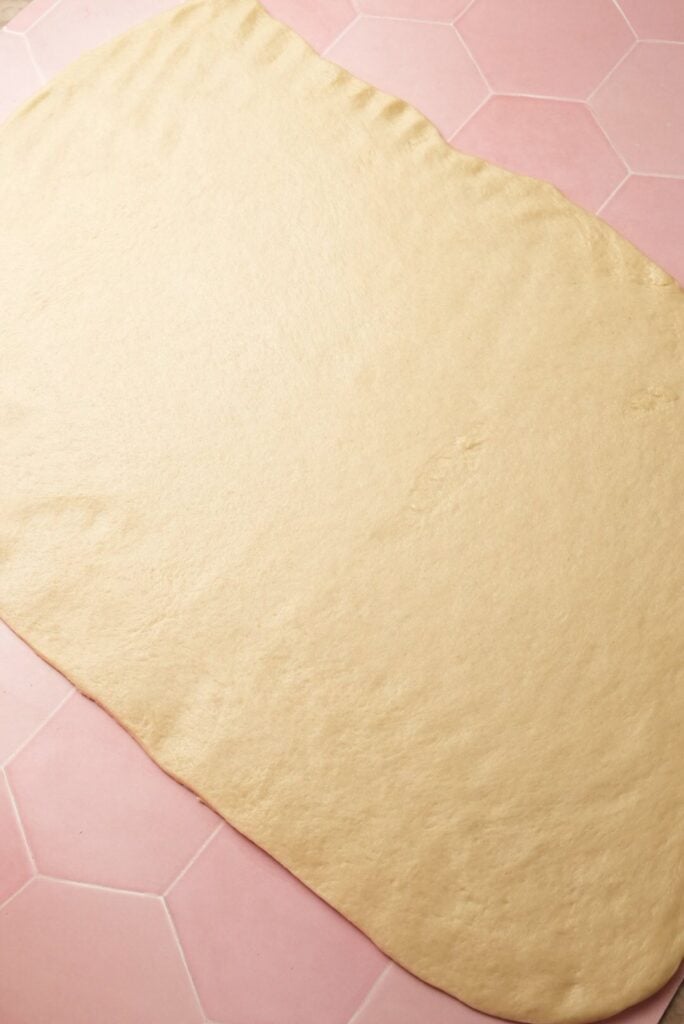
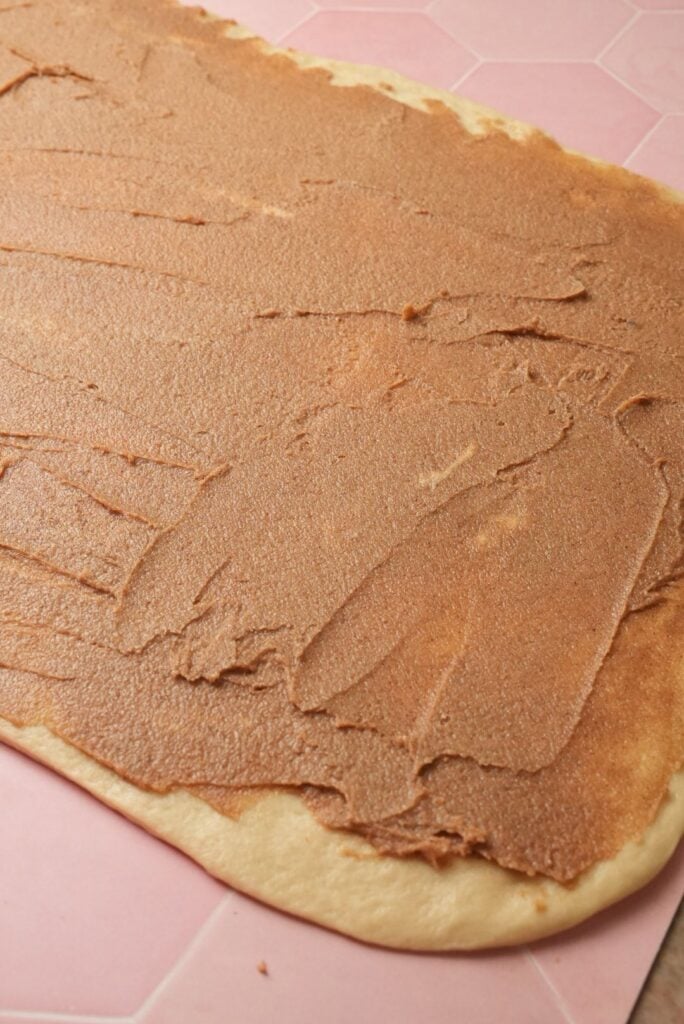
Once the dough has completed its initial proofing stage—typically taking between 45 and 60 minutes until it has doubled in volume—the transformation into the familiar roll shape begins. The dough is rolled out onto a lightly floured surface into a large rectangle, typically measuring around 12 by 18 inches. The edges are often trimmed to ensure uniformity, allowing for even cooking. The cinnamon-sugar filling, a smooth mixture of softened butter, brown sugar, cinnamon, and vanilla, is then spread edge-to-edge.
The rolling of the dough is a delicate procedure. It must be rolled tightly enough to create the distinct, tight spirals that define a high-quality cinnamon roll, yet handled with enough care to maintain the airiness of the dough. Cutting the rolls can be a challenge for those accustomed to using a standard knife, which often compresses the dough. A professional, albeit unconventional, secret favored by many experienced bakers is the use of unflavored dental floss. By sliding the floss beneath the log and pulling the ends upward in a cross-over motion, one can slice through the dough cleanly without flattening the delicate layers.
Once placed in a greased pan, the rolls undergo a final, brief rise. A transformative step occurs just before the pan is placed in the oven: the addition of warm heavy cream poured over the rolls. This technique, which has gained significant popularity in recent years, ensures that the rolls remain incredibly moist and develop a rich, "bakery-style" finish that is both tender and decadent. After baking at 350°F for approximately 22 to 25 minutes, the rolls emerge golden-brown and ready for the final, essential component: the cream cheese frosting. Applied while the rolls are still warm, the frosting melts into the spirals, ensuring that every bite is perfectly coated.
Serving, Storage, and Creative Variations
The versatility of the cinnamon roll allows for a wide array of serving suggestions. While they are most often enjoyed warm, straight from the oven, they can easily become the centerpiece of a larger brunch spread. They pair exceptionally well with the acidity of fresh berries or the savory contrast of smoked salmon and scrambled eggs. For those looking to elevate them into a full dessert, a scoop of vanilla ice cream or a dollop of whipped cream can turn a breakfast roll into a sophisticated treat.
For those who find themselves with leftovers, proper storage is key to maintaining the texture. If kept at room temperature, they should be tightly wrapped or placed in an airtight container for up to two days. For longer storage, the refrigerator is suitable for up to five days, though they are best when gently reheated. To restore their "fresh-from-the-oven" quality, placing them in an oven-safe dish and warming them at 350°F for 10 to 15 minutes is recommended. A light drizzle of extra frosting after heating can compensate for any moisture lost during the process.
The basic cinnamon roll recipe also serves as a canvas for creativity. The filling can be customized by folding in chopped walnuts or pecans for added texture, or by replacing a portion of the cinnamon-sugar with mini chocolate chips for a richer, more indulgent profile. Those who prefer a fruity element might spread a thin layer of raspberry or apple jam over the dough before rolling. Even dietary modifications are possible, with many bakers successfully utilizing 1:1 gluten-free flour blends or plant-based butter and cream cheese alternatives for those with specific dietary requirements.
Ultimately, the act of making cinnamon rolls is as much about the process as it is about the final product. It is a slow, methodical task that requires patience—from the initial activation of the yeast to the final, cooling moments before serving. In a world of fast-paced convenience, the homemade cinnamon roll remains a powerful symbol of the effort and love that define home cooking, offering a comforting reward that is far greater than the sum of its parts.

Related Posts