
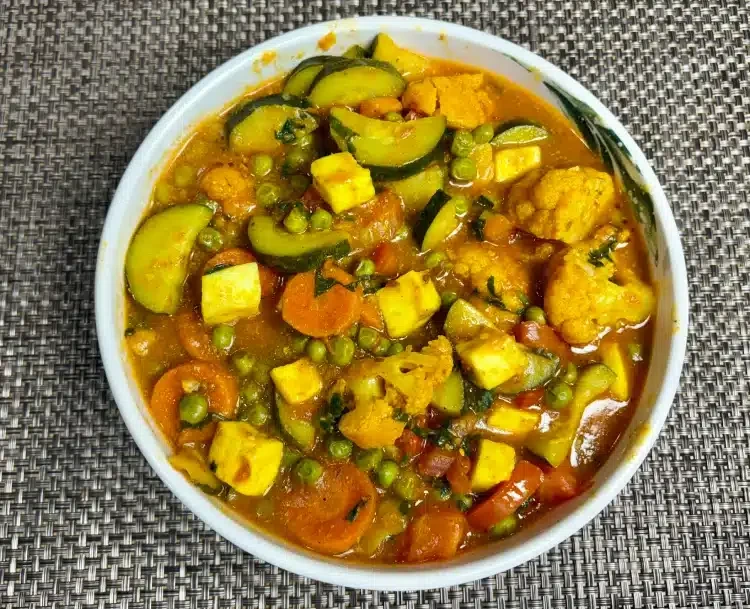
In the ever-evolving landscape of home cooking and comfort food, finding a dish that bridges the gap between quick weeknight preparation and special occasion appeal can sometimes feel challenging. Enter the Mixed Vegetable Paneer Masala Curry—a vibrant, richly textured subji that combines garden-fresh vegetables with soft, pillowy chunks of paneer, all brought together in a simmering, aromatic tomato-based gravy. Designed to be both versatile and deeply satisfying, this traditional-style curry offers a complete and wholesome dining experience that has quickly captured the attention of home cooks seeking comforting, flavour-packed meals.
Whether preparing a quiet family dinner after a long workday or hosting friends for a weekend gathering, this dish delivers on all fronts. Every bite presents a delightful interplay of textures, contrasting the tender crunch of assorted vegetables with the melt-in-your-mouth softness of the paneer. Best of all, because the recipe is crafted entirely without the use of onion and garlic, it effortlessly accommodates sattvic dietary preferences, temple-style cooking traditions, and fasting days without ever compromising on depth of flavor or culinary satisfaction.
A Versatile Dish for Every Occasion
The enduring popularity of the Mixed Vegetable Paneer Masala Curry lies largely in its remarkable adaptability. Traditionally, Indian curries heavily rely on onion and garlic bases to build their fundamental flavor profiles. However, this recipe demonstrates that a robust, deeply savory gravy can be achieved entirely through the careful balancing of ripe tomatoes, warming spices, and aromatic herbs. This makes it an invaluable option for households observing specific dietary restrictions, religious fasts, or simply those looking to enjoy a lighter yet deeply nourishing meal.
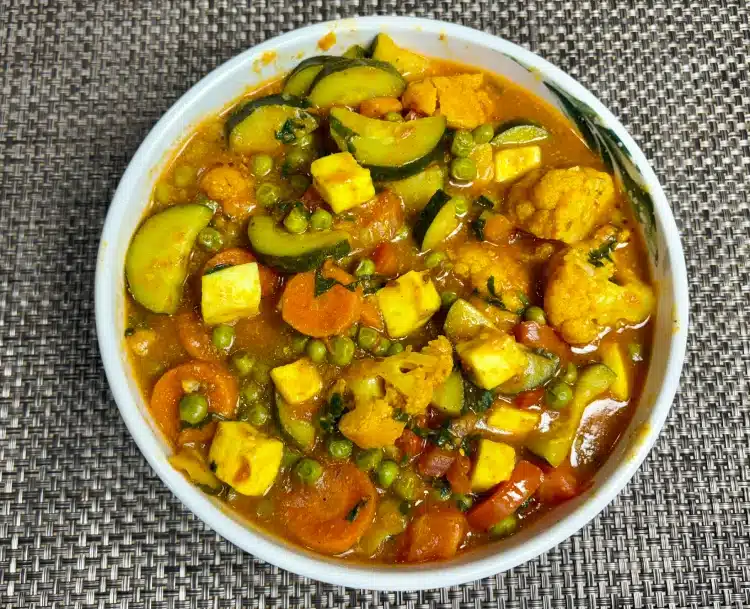
The preparation centers around a rich tomato gravy that serves as the canvas for a colorful assortment of vegetables. Cooks can easily customize the vegetable component based on seasonal availability or personal preference. Whether incorporating standard staples like carrots and peas, or branching out to include beans, capsicum, potatoes, or mushrooms, the curry accommodates a wide variety of produce. For those seeking even greater convenience, frozen vegetables can be utilized directly in the pan without thawing, making the dish an exceptionally practical option for busy schedules.
Once the gravy achieves its desired richness and consistency, the soft paneer cubes are gently folded in. Because paneer can easily become rubbery if overcooked, culinary experts recommend adding it toward the end of the cooking process, allowing it to warm through for just a couple of minutes. Alternatively, home cooks often soak the paneer cubes in warm water for five to ten minutes prior to cooking, ensuring they retain their characteristic tenderness throughout the meal.
Serving Suggestions and Culinary Pairings
A dish as richly flavored as the Mixed Vegetable Paneer Masala Curry deserves an equally comforting accompaniment. The curry pairs wonderfully with a variety of Indian breads, including freshly rolled rotis, layered parathas, or warm, buttered naan. For those who prefer rice, a steaming bed of basmati rice provides a simple yet effective contrast, soaking up the spiced tomato gravy and offering a balanced, filling meal.
Beyond its standard presentation, the curry offers plenty of room for creative kitchen adjustments. Cooks looking to increase the richness of the dish can incorporate a splash of fresh cream, a pat of butter, or a smooth cashew paste into the gravy, achieving a luxurious, restaurant-style finish. Conversely, those seeking a plant-based alternative can easily substitute the dairy paneer with firm tofu, transforming the recipe into a vegan-friendly option without altering the core structure of the spiced tomato base.
The spice level of the dish remains comfortably mild to medium, ensuring it appeals to a broad range of palates. However, the heat can be easily tailored by adjusting the quantity of green chilies and red chili powder to suit individual preferences. Because the flavors tend to meld and deepen over time, the curry also lends itself exceptionally well to advance preparation, often tasting even better a few hours after it has been cooked. Gentle reheating with a splash of water restores its freshly prepared texture, making it an ideal choice for meal prepping.
Frequently Asked Questions
Can I make this paneer curry without onion and garlic?
Yes, this recipe is naturally crafted without onion and garlic, making it ideal for sattvic meals, fasting periods, or traditional temple-style cooking, while still delivering a rich and satisfying flavor profile through spices and tomatoes.
How do I keep paneer soft in curry?
To maintain a tender texture, avoid overcooking the paneer. Add the cubes toward the end of the cooking process and let them simmer for only a couple of minutes. Soaking paneer cubes in warm water for a brief period before adding them to the pan also helps ensure softness.
Can I use frozen vegetables for this recipe?
Frozen vegetables are a convenient substitute that work very well in this curry. They can be added straight into the gravy without prior thawing, though minor adjustments to cooking times may be required.
What can I use instead of cornstarch?
If cornstarch is unavailable or un-preferred, it can be omitted entirely or replaced with alternatives such as cashew paste, fresh cream, or a small quantity of roasted gram flour (besan) to achieve the desired gravy thickness.
Is this recipe spicy?
The dish features a mild to moderate spice level, which can be easily customized by increasing or decreasing the amount of green chilies and red chili powder used during preparation.
Can I prepare this curry in advance?
This curry can be made ahead of time, as the flavors often improve after sitting for a few hours. It should be gently reheated before serving, with a small splash of water added if necessary to adjust the consistency.
What vegetables can I substitute or add?
The recipe is highly customizable and accommodates a wide range of vegetables, including beans, capsicum, potatoes, and mushrooms, depending on what is available in the kitchen.
What is the best way to serve this dish?
The mixed vegetable paneer masala pairs exceptionally well with roti, paratha, naan, or steamed rice, creating a complete and wholesome meal.
Can I make this curry vegan?
By swapping out the paneer for firm tofu, the curry easily becomes entirely plant-based, as the remaining ingredients naturally align with vegan dietary requirements.
How do I make the gravy richer?
To achieve a heavier, restaurant-style consistency and flavor, a small amount of cream, butter, or cashew paste can be blended into the gravy during preparation.

Related Posts