
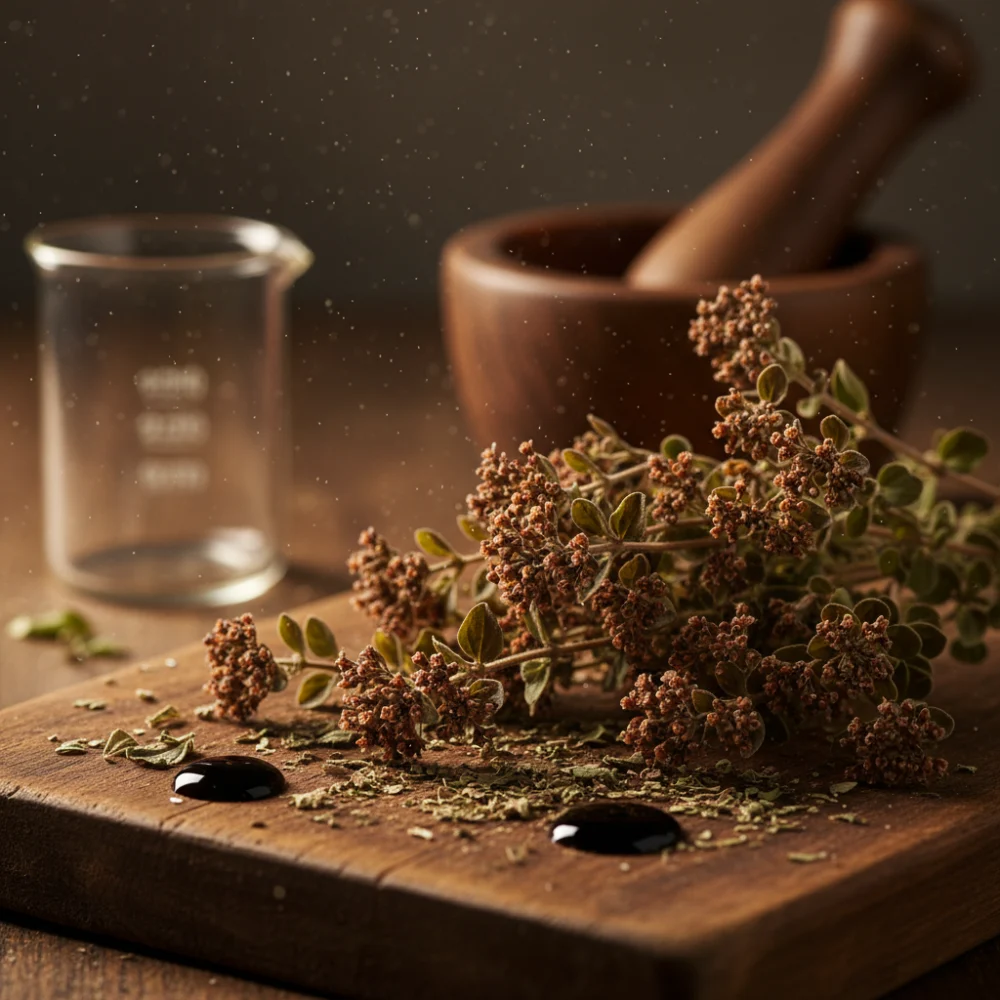
Dried oregano is a staple in kitchens worldwide, yet its complex aromatic profile is often overlooked. Beyond its primary pungent and earthy scent, high-quality dried oregano contains specific chemical compounds like carvacrol and various esters that produce deep, woody, and slightly sweet balsamic notes. Understanding how to unlock these nuances can significantly improve the depth of flavor in Mediterranean and savory dishes.
Requirements for Flavor Extraction
To effectively work with the balsamic qualities of this herb, you will need the following items:
- High-quality dried Greek or Turkish oregano (Origanum vulgare hirtum)
- A mortar and pestle or simply the palms of your hands
- A fat source such as extra virgin olive oil or unsalted butter
- A low-heat source for blooming the herb
- Airtight glass storage containers
Step 1: Selecting the Right Variety
The first step in achieving a balsamic profile is sourcing. You must choose Mediterranean oregano rather than Mexican oregano. While the Mexican variety is related to lemon verbena and carries citrus notes, the Mediterranean variety is part of the mint family and is rich in the phenolic compounds responsible for that resinous, balsamic aroma. Look for herbs that are still vibrant green; if the leaves have turned grey or brown, the essential oils have likely oxidized and lost their complexity.
Step 2: Activating the Oils via Friction
Dried herbs are essentially dormant. To wake up the balsamic notes, you must apply mechanical pressure. Take a pinch of the dried leaves and place them in your palm. Use your thumb to grind the leaves against your skin in a circular motion. This friction generates a small amount of heat and breaks the dried cellular structures, releasing the essential oils immediately before they hit the cooking pot. You should notice an immediate shift from a dusty scent to a rich, pine-like balsamic fragrance.
Step 3: Blooming the Herb in Fat
The flavor compounds in oregano are fat-soluble, meaning they dissolve and travel best through oils. To highlight the balsamic sweetness, place your crushed oregano into a pan with warm olive oil over low heat. Allow it to bloom for approximately 30 to 45 seconds. Do not let the herb brown or burn, as this will introduce bitterness that masks the delicate balsamic undertones. This process infuses the oil, ensuring the flavor is distributed evenly throughout your recipe.
Step 4: Balancing with Acidic Components
Balsamic notes are naturally complemented by acidity. To make these notes stand out, pair your oregano-infused dish with a small amount of high-quality acid, such as red wine vinegar or a squeeze of fresh lemon. The acidity acts as a contrast to the resinous depth of the oregano, making the sweet, balsamic-like finish more apparent to the taste buds. This is why oregano works so harmoniously in tomato-based sauces, where the natural acidity of the fruit pulls the herbal notes forward.
By following these steps, you transform dried oregano from a simple seasoning into a complex aromatic component. Focusing on the variety, the release of oils through friction, and the blooming process in fat allows the hidden balsamic characteristics of the herb to shine, providing a professional touch to your home cooking.

Related Posts