Understanding the Garlic Spectrum
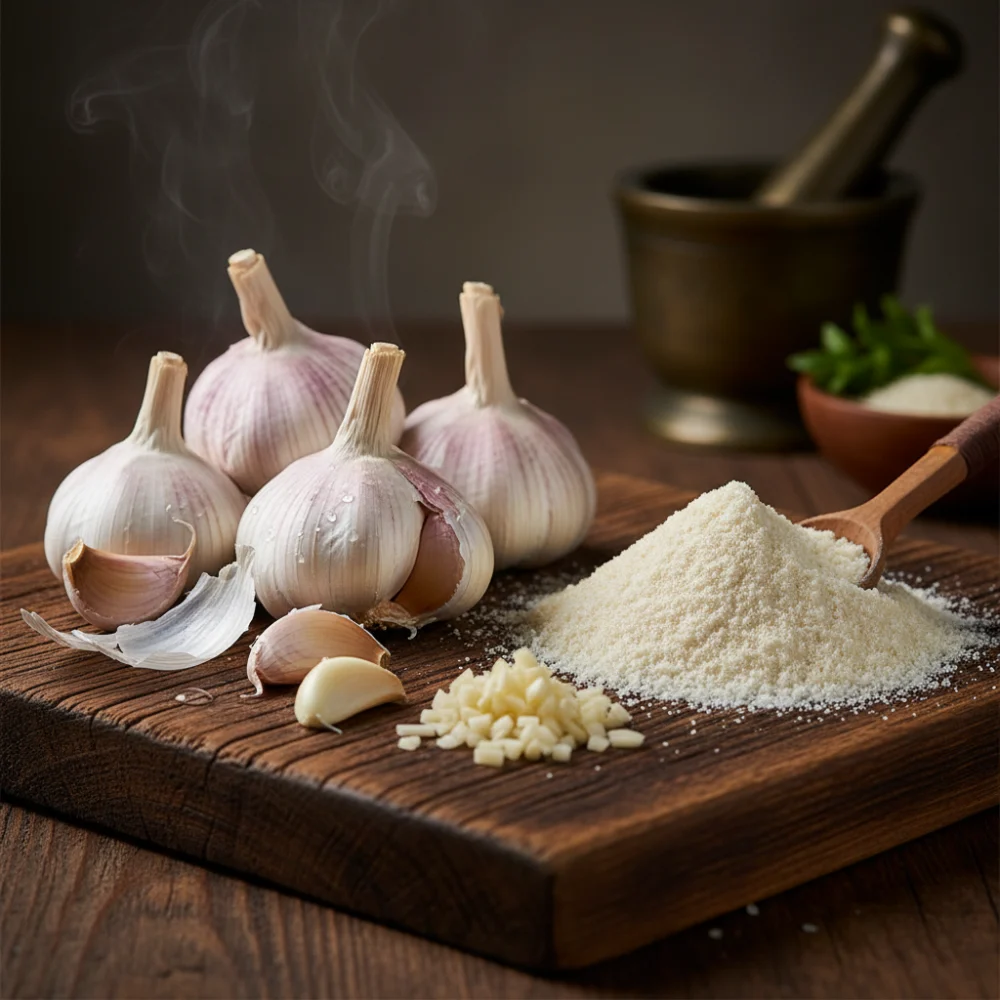
Garlic is a cornerstone of global cuisine, prized for its unique ability to transform a dish from bland to bold. However, the choice between fresh garlic cloves and garlic powder is not merely one of convenience; it is a choice of chemistry and flavor profile. Fresh garlic contains alliin and the enzyme alliinase, which combine to form allicin when crushed, creating that signature sharp, spicy bite. In contrast, garlic powder is made from dehydrated cloves that have been ground, resulting in a more mellow, toasted, and concentrated flavor. Understanding when to use each is essential for any serious cook.
Requirements for the Comparison
To effectively compare and utilize these two forms of garlic, you will need the following items:
- Fresh garlic bulbs: Look for firm heads with tight skins.
- High-quality garlic powder: Ensure it is pure and not mixed with salt.
- A sharp chef’s knife or garlic press: For releasing the fresh oils.
- A neutral cooking oil: Such as grapeseed or vegetable oil for sautéing.
- A heat source: To observe how each reacts to temperature.
Step 1: Evaluating the Raw Aroma
The first step in understanding the difference is a sensory evaluation. Take a fresh clove and peel it. At this stage, the aroma is mild. Once you crush or mince it, the allicin reaction occurs, releasing a pungent, sulfurous scent that is unmistakable. Now, smell the garlic powder. You will notice a deeper, more concentrated, and slightly sweet aroma. The powder lacks the volatile bite of the fresh version because the dehydration process stabilizes the compounds, removing the immediate sharpness found in the raw vegetable.
Step 2: Testing Heat Sensitivity
Fresh garlic is highly sensitive to heat. When sautéing, it can turn bitter within seconds if the pan is too hot. To use it correctly, add it toward the end of the browning process. Garlic powder, however, is much more resilient. Because it is already ‘cooked’ through the drying process, it can withstand longer cooking times and integrates seamlessly into liquids or dry rubs. If you are making a slow-cooked stew, the powder provides a consistent background note, whereas fresh garlic provides a bright, top-note finish.
Step 3: Calculating Substitution Ratios
When a recipe calls for one and you only have the other, precision is key. A general rule of thumb is that 1/8 teaspoon of garlic powder is equivalent to one medium-sized fresh clove. Because the powder is concentrated, using too much can overwhelm a dish with a chalky or overly metallic taste. Conversely, if substituting fresh for powder in a dry rub, you must account for the moisture content in the fresh cloves, which might prevent the rub from adhering or crisping properly.
Conclusion: Choosing the Right Tool
In summary, fresh garlic is unmatched for its vibrant, spicy intensity and is best suited for quick sautés, dressings, and marinades where the garlic is the star. Garlic powder is the superior choice for spice blends, breading, and dishes requiring a subtle, uniform garlic flavor without the texture of minced bits. By mastering the pungent profiles of both, you can control the depth and character of your culinary creations with professional precision.

Related Posts