
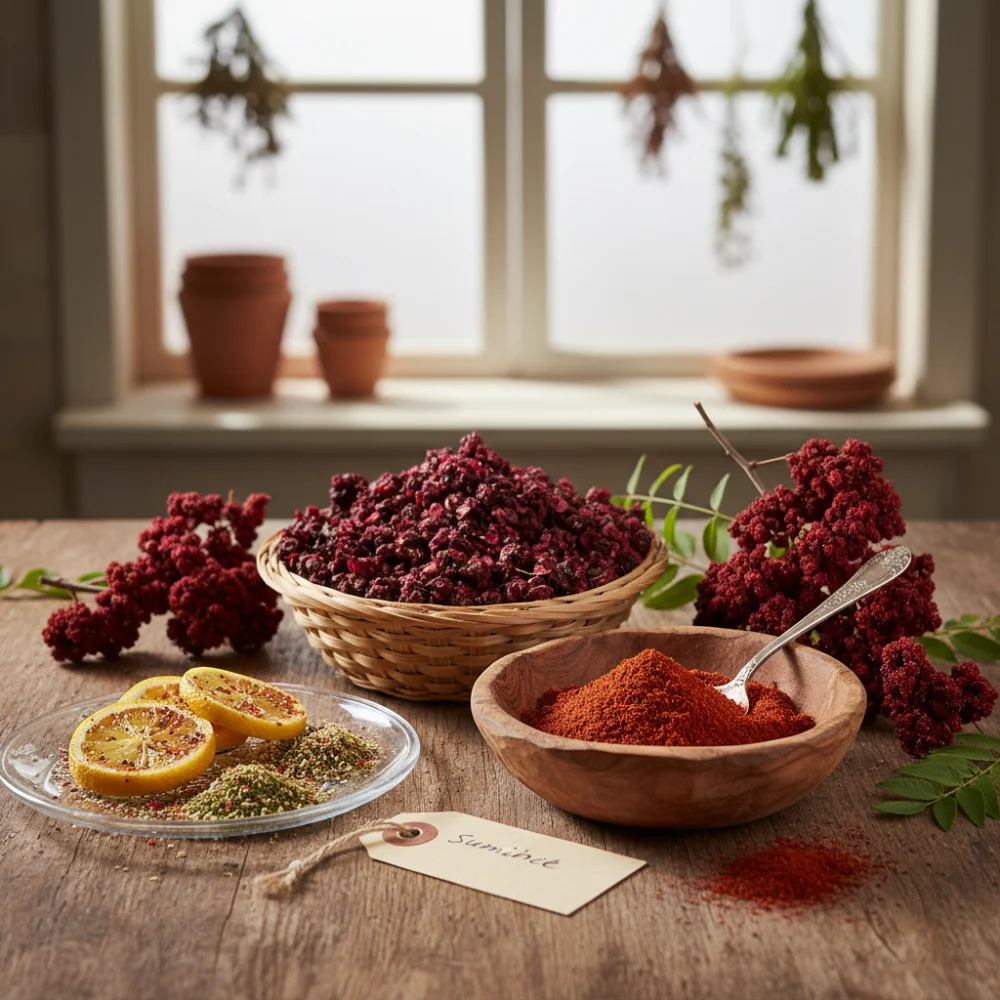
If you have ever enjoyed a plate of authentic hummus or a fresh fattoush salad, you have likely tasted sumac without realizing it. This vibrant, deep red spice is a staple in Middle Eastern and Mediterranean cooking, prized for its ability to add a bright, acidic kick to dishes without the liquid volume of lemon juice or vinegar. Understanding sumac is the first step to elevating your culinary repertoire with exotic, zesty flavors. This guide will walk you through what sumac is, where it comes from, and how to use it effectively in your kitchen.
Step 1: Understanding the Origins and Botany
To truly appreciate sumac, one must first understand its source. Culinary sumac is derived from the dried and ground berries of the Rhus coriaria shrub, a wild plant that thrives in the rocky terrains of Sicily and the Middle East. Unlike the white-berried poison sumac found in North America, the edible variety produces clusters of deep red berries. These berries are harvested just before they fully ripen, dried in the sun, and then ground into a coarse, crimson powder. This process preserves the essential oils that give the spice its distinct aroma and flavor.
Step 2: Identifying the Unique Flavor Profile
When you taste sumac, the immediate sensation is tartness. It possesses a sour, astringent flavor profile that is remarkably similar to lemon juice but with a hint of floral sweetness and an earthy undertone. This unique combination makes it an excellent acidulant. It cuts through the richness of fatty meats and adds a refreshing brightness to vegetables. Because it is a dry spice, it is particularly useful in dry rubs or garnishes where adding liquid acid like citrus juice might compromise the texture of the dish.
Step 3: Mastering Culinary Applications
Integrating sumac into your cooking is simple once you know its versatility. It is most famous for being a primary ingredient in za’atar, a popular spice blend that also includes thyme, sesame seeds, and salt. However, sumac shines on its own as well. You can use it in the following ways:
- As a Garnish: Sprinkle it over hummus, baba ganoush, or yogurt dips for a pop of color and acidity.
- In Marinades: Rub it onto chicken, lamb, or fish before grilling to tenderize the meat and infuse flavor.
- In Salad Dressings: Whisk it into olive oil and vinegar to create a zesty vinaigrette for fattoush or cucumber salads.
Step 4: Selecting and Storing the Best Spice
Not all sumac is created equal. When purchasing this spice, look for a vibrant red to purple hue. Avoid sumac that looks brown or overly faded, as this indicates age and a loss of flavor. Check the ingredient label; high-quality sumac should contain only the ground berries, though some brands add a small amount of salt to act as a preservative. To maintain its potency, store your sumac in an airtight container in a cool, dark place away from direct sunlight and heat. Properly stored, it can retain its flavor for several months.
In conclusion, sumac is a powerhouse ingredient that bridges the gap between spice and citrus. Its ability to provide a tart punch and a beautiful visual element makes it an indispensable tool for any home cook looking to explore Middle Eastern flavors. By understanding its origins, flavor profile, and proper usage, you can transform simple dishes into complex, tangy culinary experiences.

Related Posts