
Understanding the Role of Fenugreek in Indian Cuisine
Fenugreek, known as Methi in Hindi, is a cornerstone of Indian culinary traditions. It offers a complex profile that is simultaneously bitter, sweet, and nutty. Whether used as dried leaves (Kasuri Methi) or hard yellow seeds, it provides a depth of flavor that is difficult to replicate. However, if you find yourself without this ingredient, several substitutes can mimic its earthy notes.
What You Will Need
- Alternative spices: Mustard seeds, maple syrup, or celery seeds.
- Alternative greens: Spinach, kale, or celery leaves.
- Kitchen tools: A mortar and pestle or a spice grinder for seeds.
- Basic pantry staples: Curry powder or garam masala.
Step 1: Substituting Fenugreek Seeds
If your recipe calls for fenugreek seeds (usually for tempering), the best alternative is yellow mustard seeds. While mustard seeds lack the maple-like sweetness, they provide a similar bitterness and texture. Use them in a 1:1 ratio. For a closer flavor match, add a tiny drop of maple syrup to the dish later in the cooking process to capture that characteristic aroma.
Step 2: Replacing Dried Fenugreek Leaves (Kasuri Methi)
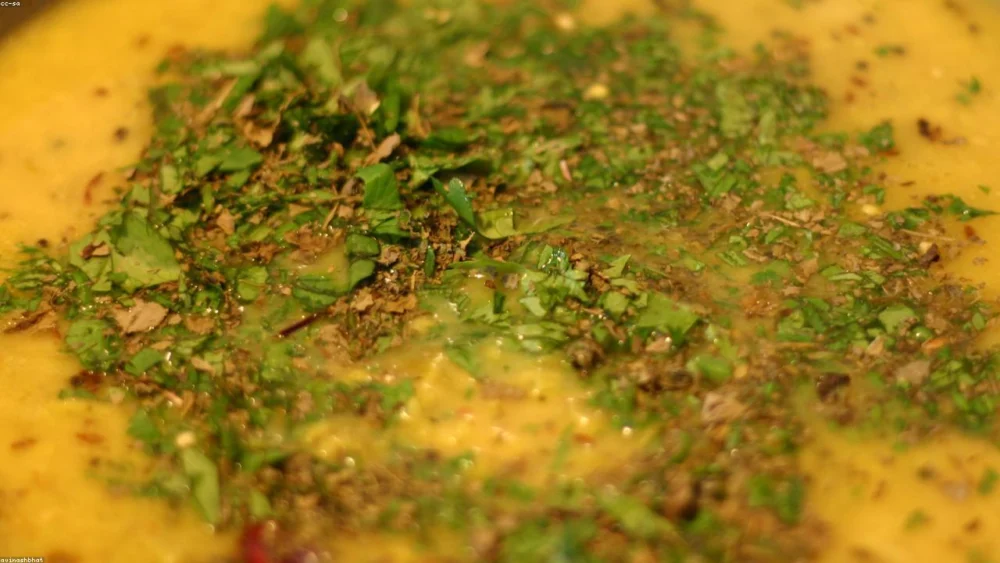
Kasuri Methi is prized for its fragrance. If you are out, celery leaves are a surprisingly effective substitute. Finely chop fresh celery leaves and dry them slightly in a pan. Alternatively, use a mix of dried parsley and a pinch of celery seed powder. This combination mimics the herbaceous, slightly bitter finish that fenugreek leaves provide to butter chicken or dal makhani.
Step 3: Finding Alternatives for Fresh Fenugreek Leaves
In recipes where fresh fenugreek is a primary vegetable, such as Methi Thepla or Aloo Methi, chopped spinach or kale mixed with a small amount of mustard powder is your best bet. Spinach provides the bulk and texture, while the mustard powder adds the necessary bite. You can also use watercress for its natural peppery bitterness.
Step 4: Using Curry Powder as a Quick Fix
Most commercial curry powders already contain ground fenugreek seeds. If your dish is already spice-heavy, increasing the amount of curry powder slightly can compensate for the missing standalone fenugreek. Be cautious with this method, as it will also increase the heat and salt levels of your dish.
Conclusion
While nothing perfectly replicates the exact essence of fenugreek, these substitutes ensure your Indian dishes remain flavorful and aromatic. By balancing bitterness with a touch of sweetness, you can successfully navigate any recipe even when your spice rack is incomplete. Experiment with these combinations to find which one suits your palate best.

Related Posts