
Both fennel seed and anise are celebrated for their characteristic licorice-like flavor, but they are not identical. While they both contain the essential oil anethole, which provides that signature sweetness, their botanical origins and culinary strengths differ significantly. This guide will help you distinguish between the two through a systematic comparison.
Requirements for Comparison
- Whole dried fennel seeds
- Whole dried anise seeds
- A mortar and pestle for crushing
- Neutral tasting crackers or warm water
- Two small labeled bowls
Step 1: Visual Identification and Texture
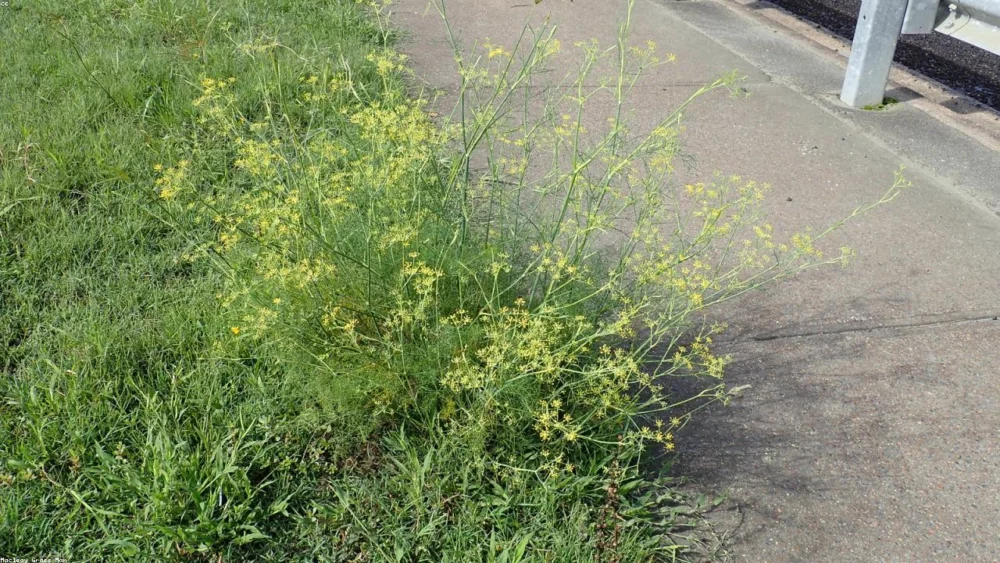
Begin by examining the physical characteristics of the seeds. Fennel seeds are the fruit of the Foeniculum vulgare plant. They are relatively large, oblong, and curved, featuring prominent ridges and a color ranging from pale green to light brown. Anise seeds, from the Pimpinella anisum plant, are much smaller, teardrop-shaped, and usually have a darker, grayish-brown appearance with a slightly fuzzy texture.
Step 2: Evaluating the Aroma Profile
To truly understand the difference, you must release the volatile oils. Use a mortar and pestle to lightly bruise a small amount of each spice separately. Fennel seeds produce a fresh, sweet, and slightly herbaceous scent that feels light. Anise, however, releases a much more concentrated and pungent licorice aroma that is significantly more aromatic and spicy than fennel.
Step 3: Comparative Tasting
Taste a small amount of each crushed seed, cleansing your palate with water in between. You will notice that fennel has a mild sweetness with a cooling, almost minty finish that works well in savory contexts. Anise is intensely sweet—almost sugary—and possesses a warm, spicy bite that dominates the palate, making it a powerful flavoring agent in small quantities.
Step 4: Determining Culinary Applications
Based on your tasting, assign the spices to their best uses. Use fennel seeds for savory dishes like roasted pork, marinara sauces, and rye breads where a subtle sweetness is desired. Reserve anise for sweet applications, such as traditional European pastries, liqueurs like sambuca, or spice-heavy blends like Chinese five-spice where its potency is an asset.
Conclusion
While fennel seed and anise can occasionally substitute for one another in a pinch, their unique profiles offer different dimensions to a dish. Fennel provides a gentle, herbal sweetness, whereas anise delivers a bold, spicy licorice punch. Mastering the nuances of these two spices will significantly elevate your culinary repertoire.

Related Posts