
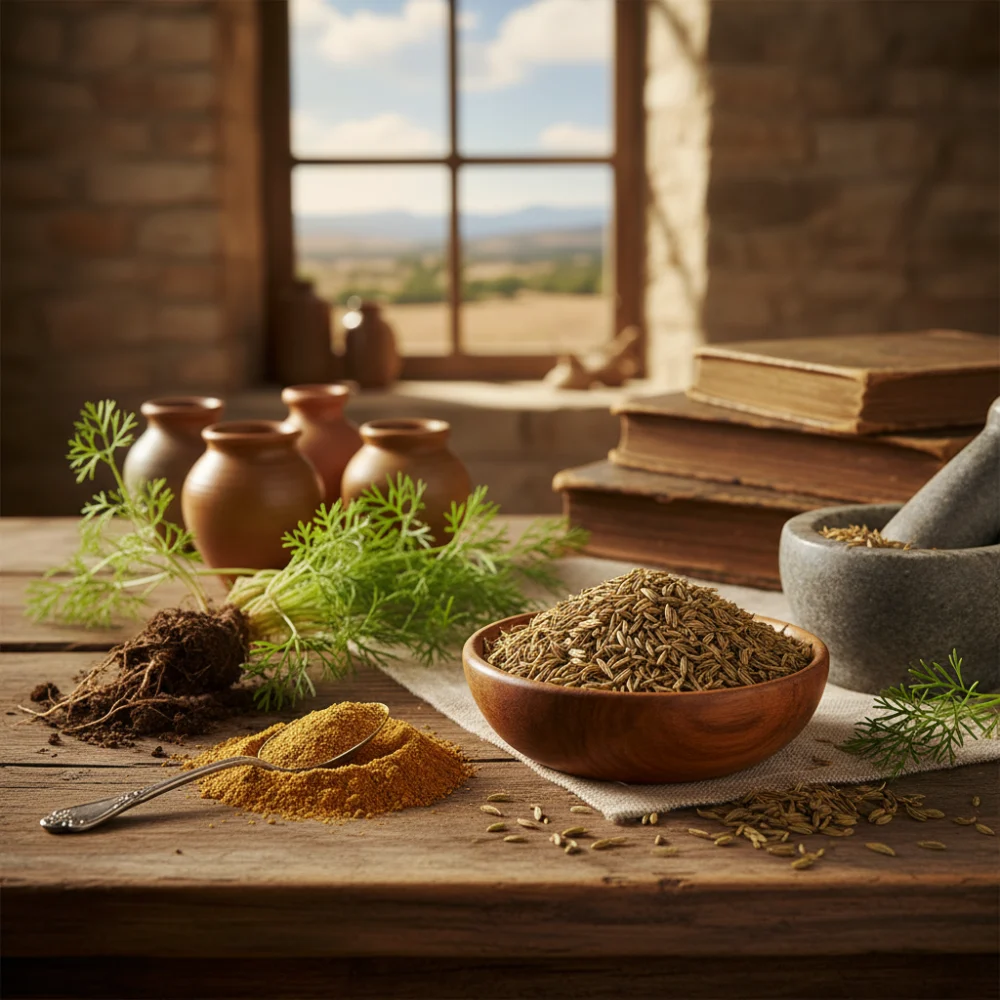
Cumin is one of the most popular and essential spices used in cuisines around the globe. Known scientifically as Cuminum cyminum, it is a flowering plant in the family Apiaceae, making it a relative of parsley, carrots, and dill. Native to the East Mediterranean to South Asia, cumin seeds are harvested, dried, and used either whole or ground to impart a distinct, warm flavor to dishes. Understanding cumin goes beyond just knowing its name; it requires learning how to select, prepare, and pair it to elevate your cooking.
Step 1: Identifying the Different Forms of Cumin
To truly understand cumin, you must first recognize the forms in which it is available. The two primary states are whole seeds and ground powder. Whole cumin seeds look somewhat like caraway seeds; they are oblong, ridged, and usually brownish-yellow in color. Ground cumin is a powder made by grinding these dry roasted seeds. While ground cumin is convenient, whole seeds retain their flavor oils for a longer period. There are also different varieties, such as Black Cumin (often confused with Nigella seeds or Bunium persicum), which has a sweeter, more complex flavor profile compared to the standard amber variety found in most grocery stores.
Step 2: Analyzing the Flavor Profile
Understanding the taste of cumin is crucial for balancing flavors in a dish. Cumin is renowned for its strong, earthy, and nutty flavor with distinct spicy and warm undertones. It has a slightly bitter edge that cuts through rich meats and stews. Because of its potent aroma and taste, it is often the dominant flavor in spice blends like garam masala, curry powder, and chili powder. When tasting cumin, look for a warmth that lingers on the palate, distinct from the heat of chili peppers.
Step 3: Mastering the Art of Toasting Cumin
One of the most important steps in utilizing cumin is releasing its essential oils through heat. If you use raw cumin seeds, they can taste slightly bitter and tough. To bring out the nutty, toasted characteristics, you should dry roast the seeds. Place whole seeds in a dry skillet over medium heat and shake the pan constantly for one to two minutes until they become fragrant and darken slightly. This process, often called ‘blooming’ spices, intensifies the flavor and adds a smoky depth to your final dish.
Step 4: Incorporating Cumin into Cooking
Once you understand the flavor and preparation, the next step is application. Cumin is incredibly versatile. In Indian cuisine, whole seeds are often added to hot oil at the beginning of a dish (a technique called ‘tadka’) to infuse the cooking fat. In Mexican and Tex-Mex cuisine, ground cumin is essential for taco seasonings, chili con carne, and fajitas. It pairs exceptionally well with:
- Legumes: Lentils, chickpeas, and black beans.
- Vegetables: Roasted cauliflower, potatoes, and carrots.
- Meats: Lamb, beef, and chicken marinades.
Step 5: Storing Cumin Correctly
The final step in understanding this spice is knowing how to preserve its potency. Like all ground spices, powdered cumin loses its flavor relatively quickly, usually within six months. Whole seeds can stay fresh for up to a year or more if stored properly. To maximize shelf life, store your cumin in an airtight container away from direct sunlight, heat, and moisture. Avoid shaking the spice jar directly over a steaming pot, as the rising moisture can cause the powder to cake and degrade the flavor oils.
Conclusion
Cumin is more than just a pantry staple; it is a foundational flavor in culinary traditions ranging from the Middle East to Latin America. By choosing the right variety, toasting the seeds to release their oils, and pairing them with complementary ingredients, you can harness the full power of this earthy spice. Whether you are making a simple hummus or a complex curry, a solid understanding of cumin is the key to adding depth and warmth to your meals.

Related Posts