
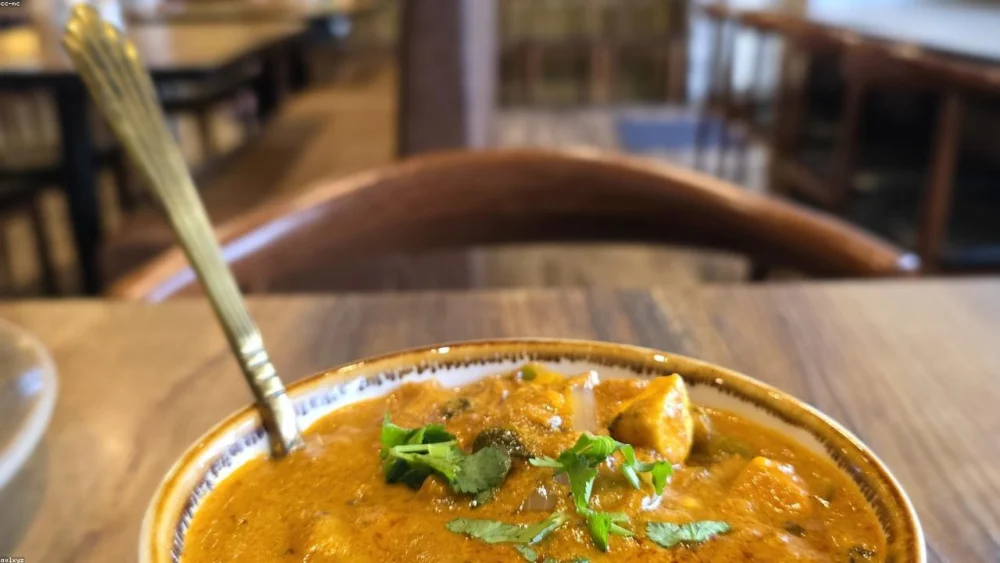
While both curry powder and garam masala are staple spice blends in global kitchens, they serve very different purposes. Curry powder is often a Western invention designed to mimic the flavors of Indian cuisine, whereas garam masala is a traditional Indian blend focused on warmth and depth. Understanding these differences is essential for any home cook looking to master aromatic dishes.
Essential Ingredients for Comparison: To truly understand these blends, you will need access to turmeric, coriander seeds, cumin seeds, black pepper, cardamom pods, cinnamon sticks, and cloves. Having these individual spices allows you to see how curry powder relies heavily on turmeric for color, while garam masala focuses on the toasted notes of the others.
Step 1: Identify the Base Ingredients
The most visible difference lies in the ingredients. Curry powder almost always contains turmeric as a primary component, giving it a bright yellow hue. It also frequently includes fenugreek and chili peppers. In contrast, garam masala rarely contains turmeric. It is built upon a foundation of warming spices like cinnamon, mace, nutmeg, and black peppercorns, resulting in a dark brown or reddish-brown color.
Step 2: Analyze the Flavor Profiles
Curry powder typically has an earthy, savory, and slightly bitter profile due to the turmeric and fenugreek. It provides a consistent curry flavor that permeates the entire dish. Garam masala, which translates to warm spice mix, offers a complex, floral, and sweet-spicy aroma. It is designed to add layers of depth rather than a singular dominant flavor.
Step 3: Determine the Timing of Use
Timing is a critical distinction in cooking. Curry powder is usually added early in the cooking process, often sautéed with onions or garlic in oil, to allow the raw spice flavors to mellow and integrate. Garam masala is most effective when added toward the end of cooking or even as a finishing garnish. This preserves the volatile oils and aromatic qualities of the toasted spices.
Step 4: Choose the Right Blend for Your Dish
Use curry powder when you want to create a dish with a classic yellow sauce, such as a traditional British-style curry or a curried chicken salad. Reach for garam masala when you are making authentic Indian dishes like Chana Masala or Butter Chicken, where you want to enhance the richness and aroma without overpowering the other ingredients with turmeric.
In summary, while you might be tempted to swap one for the other, they are not direct substitutes. Curry powder provides a specific yellow color and earthy base, while garam masala offers a finishing touch of warmth and aromatic complexity. By mastering the timing and ingredient balance of each, you can significantly elevate your culinary creations.

Related Posts