One of the most common misconceptions in the culinary world revolves around the jar labeled allspice. Due to its name and complex aroma, many home cooks assume it is a mixture of several different spices blended together. However, the answer to whether allspice is a blend or a single spice is quite straightforward, though the history behind it is rich. This guide will walk you through exactly what allspice is, why it carries such a confusing name, and how to utilize it effectively in both sweet and savory dishes.
Step 1: Identifying the Botanical Source
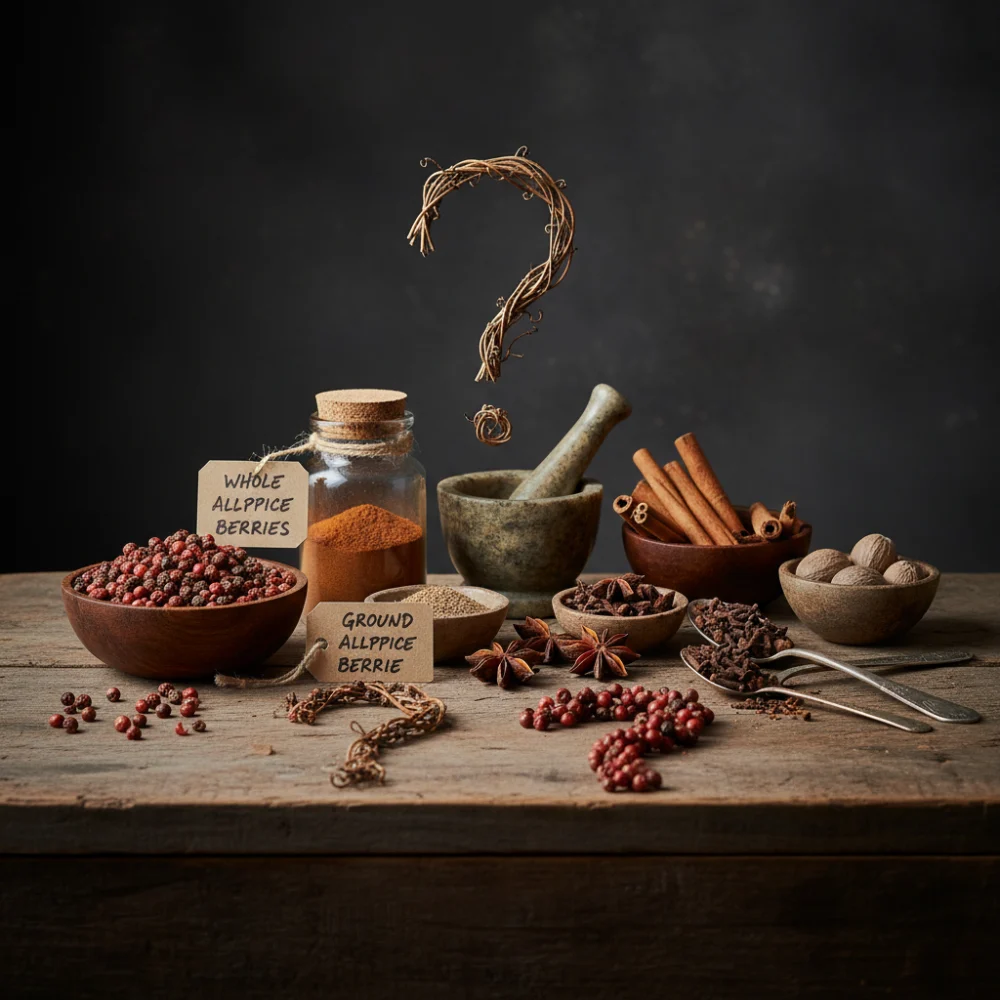
To understand allspice, you must first recognize it as a biologically unique ingredient. Contrary to popular belief, allspice is a single spice. It is the dried, unripe berry of the Pimenta dioica tree, which is an evergreen native to Jamaica, Southern Mexico, and Central America. When you buy whole allspice, you are purchasing these dried berries, which look somewhat like large, smooth peppercorns. If you buy ground allspice, it is simply these berries pulverized into a powder, with no other ingredients added.
Step 2: Understanding the Name and Flavor Profile
If it is a single berry, why is it called allspice? The name was coined by the English in the 17th century. When they encountered the spice, they found that its flavor profile was remarkably complex. It tastes like a combination of cloves, cinnamon, and nutmeg all rolled into one. Because it seemed to encompass the flavors of all the essential spices of the time, it was given the descriptive name allspice. In some regions, it is also known as Jamaica pepper or pimento.
Step 3: Choosing Between Whole and Ground
Learning how to use allspice involves selecting the correct form for your specific culinary task.
- Whole Berries: These are best used in infusions. You can add them to pickling liquids, mulled wine, spiced cider, or slow-cooked stews. The berries release their flavor slowly and should usually be removed before serving, much like a bay leaf.
- Ground Allspice: This is the form most bakers are familiar with. It is potent and disperses easily throughout batters and doughs. It is essential for pumpkin pies, spice cakes, and gingerbread.
Step 4: Incorporating Allspice into Savory Dishes
While often associated with desserts in Western baking, allspice is a powerhouse in savory cooking. To use it like a pro, incorporate it into meat marinades. It is a non-negotiable ingredient in authentic Jamaican Jerk seasoning. It also features heavily in Middle Eastern cuisine, particularly in stews and meat dishes, and is a key component in Cincinnati-style chili. Start with a small amount, as the flavor is concentrated and can easily overpower a dish.
Step 5: Creating a Substitute Blend
If a recipe calls for allspice and you do not have the berry on hand, you can create a functional substitute by mixing the spices it mimics. This is where the confusion often stems from; while allspice is not a blend, a blend can replicate it. To replace one teaspoon of ground allspice, combine:
- 1/2 teaspoon ground cinnamon
- 1/4 teaspoon ground cloves
- 1/4 teaspoon ground nutmeg
This mixture will provide a very similar warmth and depth to your dish.
In conclusion, allspice is a fascinating single spice derived from the dried berries of the Pimenta dioica tree, not a pre-packaged blend of other ingredients. Its unique ability to mimic the flavor profiles of cinnamon, nutmeg, and cloves makes it an incredibly versatile tool in the kitchen. By understanding its true nature, you can better appreciate its role in global cuisines, from Caribbean marinades to holiday desserts, and use it with confidence.

Related Posts