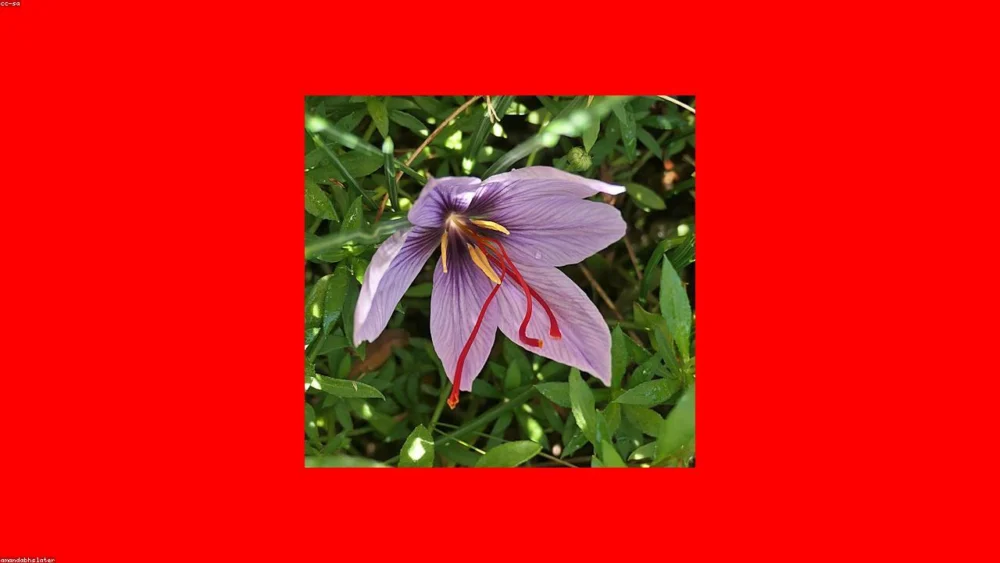
Saffron, often called ‘red gold,’ is the world’s most expensive spice by weight. Its unique flavor profile—slightly sweet, earthy, and hay-like—makes it indispensable in dishes like paella, risotto alla Milanese, and bouillabaisse. When purchasing saffron, consumers face a fundamental choice: buying the whole dried stigmas (threads) or opting for the convenience of pre-ground powder. Understanding the differences is crucial for maximizing quality and value.
The primary difference lies in preservation. Threads maintain their volatile oils and chemical integrity much longer than powder. Grinding saffron exposes a vastly larger surface area to oxygen, leading to rapid degradation of its essential compounds: crocin (for color), picrocrocin (for flavor), and safranal (for aroma). Therefore, while powder offers convenience, threads are almost always superior in quality.
Requirements for Evaluating Saffron Quality
Before comparing the two forms, it is essential to know what defines high-quality saffron, regardless of its presentation:
- Color: High-grade saffron should be a deep crimson or reddish-orange. Yellow or white sections (the style) indicate lower quality as they contain little flavor or color.
- Aroma: A strong, distinct, sweet, and earthy fragrance is non-negotiable. Powder that smells dusty or faint is likely old.
- Origin and Grade: Look for classifications like Sargol or Negin (highest quality Iranian saffron) or Coupe (Spanish standard).
Step 1: Assessing Saffron Threads (The Whole Form)
Threads are the purest form of saffron available. They offer maximum longevity and flavor control.
Pros of Saffron Threads:
- Purity Assurance: It is nearly impossible to adulterate whole threads without visible evidence. You can visually inspect the deep red color and ensure minimal yellow/white parts.
- Longevity: Stored correctly (in an airtight, dark container), threads can retain peak potency for two to three years.
- Optimal Extraction: Threads must be bloomed (steeped in warm liquid) before use, which allows for a slow, controlled release of color and flavor, resulting in a more nuanced final product.
Cons of Saffron Threads:
- Time Commitment: Requires pre-soaking (blooming) for at least 20-30 minutes before adding to the dish.
- Grinding Required: You must grind the threads yourself, usually using a mortar and pestle, immediately before use for best results.
Step 2: Evaluating Saffron Powder (The Ground Form)
Saffron powder is convenient for quick incorporation into recipes, but it carries significant risks regarding quality and authenticity.
Pros of Saffron Powder:
- Convenience: Ready to use immediately; eliminates the need for blooming or grinding.
- Easy Measurement: Simple to measure small quantities directly into a recipe.
Cons of Saffron Powder:
- High Risk of Adulteration: Powder is easily mixed with cheaper fillers like turmeric, paprika, or corn silk, which mimic the color but lack the true saffron profile.
- Rapid Deterioration: Once ground, the flavor and color compounds begin to degrade within months, even if stored properly.
- Subtle Flavor: Because the volatile oils escape quickly, the resulting dish often tastes muted compared to one made with threads.
Step 3: The Final Verdict – Which is Better?
For the discerning cook, the answer is overwhelmingly clear: Saffron Threads are better.
While powder saves a few minutes, the quality trade-off is usually too high, especially considering saffron’s premium price. You are paying for purity and potency, both of which are best preserved in the whole thread form. If you must use powder, purchase it from a highly reputable source, and use it immediately after opening.
Recommendation: Always buy threads. Take the extra step to gently crush them just before adding them to a small amount of warm water, milk, or broth. This blooming process unlocks the full potential of the spice, ensuring your dish benefits from the authentic essence of ‘red gold’.

Related Posts