
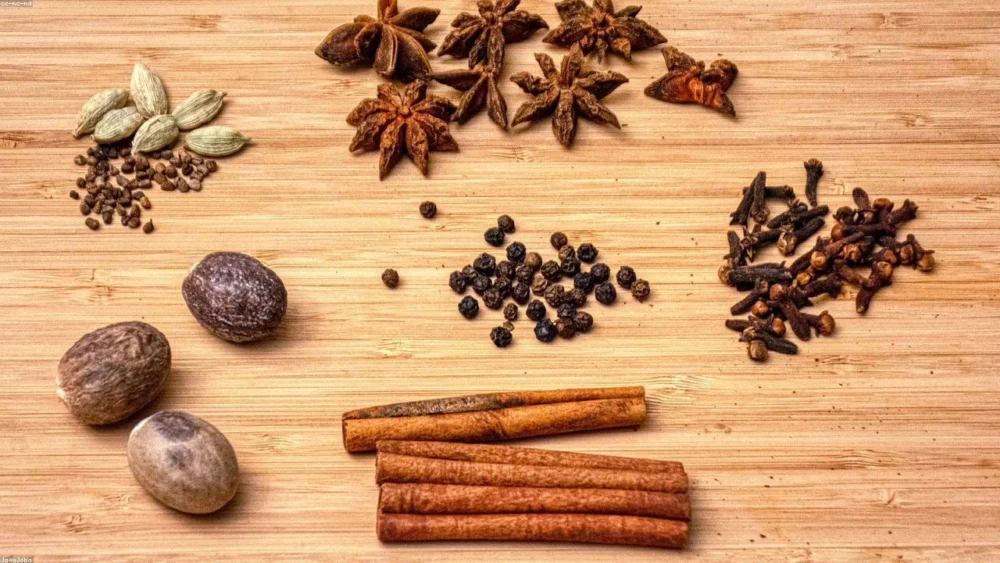
Cardamom, often called the “Queen of Spices,” is a versatile ingredient used globally in both sweet and savory dishes. It comes primarily in two forms: whole pods and pre-ground powder. While convenient, using the correct form is crucial, as their flavor profiles and applications differ significantly. Whole pods release their essential oils slowly, offering a nuanced background note, whereas ground cardamom provides an immediate, potent burst of flavor. Mastering when to deploy each type elevates your cooking from good to exceptional.
This guide provides a step-by-step breakdown on selecting and utilizing whole cardamom pods versus ground cardamom to achieve optimal results in your recipes.
Essential Requirements for Working with Cardamom
- Whole Cardamom Pods: Ensure pods are plump, green (for green cardamom), and free from excessive dust or breakage. Storage should be in an airtight container away from heat and light.
- Ground Cardamom: Must be freshly ground for the best potency. Pre-ground cardamom loses its volatile oils rapidly, often becoming dull within six months.
- Tools: Mortar and pestle (for grinding), spice grinder (optional), fine-mesh sieve (for removing whole pods).
Step 1: Determining Recipe Requirements
The first step is analyzing the recipe. Recipes that call for long simmering times, infusions, or whole spice presentation benefit from whole cardamom pods. Conversely, recipes requiring immediate, uniform flavor distribution, such as baking or spice rubs, are better suited for ground cardamom.
Step 2: Utilizing Whole Cardamom Pods for Infusion and Slow Cooking
Whole pods are ideal when you want to impart a subtle, evolving flavor profile without the gritty texture of the powder. This method is traditional in many Indian curries, rice dishes (like biryani), and spiced teas (chai).
- Bruising: Lightly crush the pods using the flat side of a knife or a mortar and pestle. This cracks the outer shell, allowing heat to penetrate and release the oils, but keeps the seeds contained.
- Tempering/Sautéing: Add the bruised pods directly to hot oil or ghee at the beginning of the cooking process. Sauté for 30-60 seconds until fragrant. This blooming process maximizes flavor extraction into the fat.
- Simmering: For liquids like milk, stock, or water (for chai), add the whole or lightly crushed pods and allow them to steep while the liquid simmers.
- Extraction and Removal: Because whole pods are tough and inedible, they must be removed before serving using a slotted spoon or by straining the liquid.
Step 3: Employing Ground Cardamom for Immediate Flavor Release
Ground cardamom is the preferred choice for applications where the spice needs to be fully incorporated into the final product, typical in desserts, dry rubs, and spice blends.
- Baking: Incorporate ground cardamom directly into the dry ingredients (flour, sugar) for cookies, cakes, and pastries. Ensure thorough mixing to avoid pockets of intense spice.
- Spice Rubs: Combine ground cardamom with other ground spices (e.g., cumin, coriander, cinnamon) and massage onto meats or vegetables before roasting or grilling.
- Flavor Timing: Add ground cardamom near the end of the cooking process for sauces or purees to preserve its bright, volatile top notes, as prolonged high heat can dull its flavor.
Step 4: Conversion and Substitution
If a recipe calls for one form and you only have the other, conversion is necessary, though flavor intensity will vary.
- Pods to Ground: Generally, 10 to 12 whole green cardamom pods yield approximately 1 teaspoon of ground cardamom. Grind the seeds only (discarding the husks) for the most accurate conversion.
- Ground to Pods: This substitution is less precise. If substituting ground for pods in a long-simmered dish, use about 1/2 teaspoon of ground cardamom per 10 pods required, but understand the infusion will be immediate rather than slow-released.
Conclusion: Choosing the Right Cardamom for the Task
The distinction between whole cardamom pods and ground cardamom boils down to time and texture. Use whole pods when you desire depth, aroma infusion over time, and the ability to remove the spice before serving. Opt for ground cardamom when you need instant, uniform flavor integration, especially in baked goods or dry rubs. By respecting the characteristics of each form, you ensure that the powerful essence of cardamom perfectly complements your culinary creations.

Related Posts