
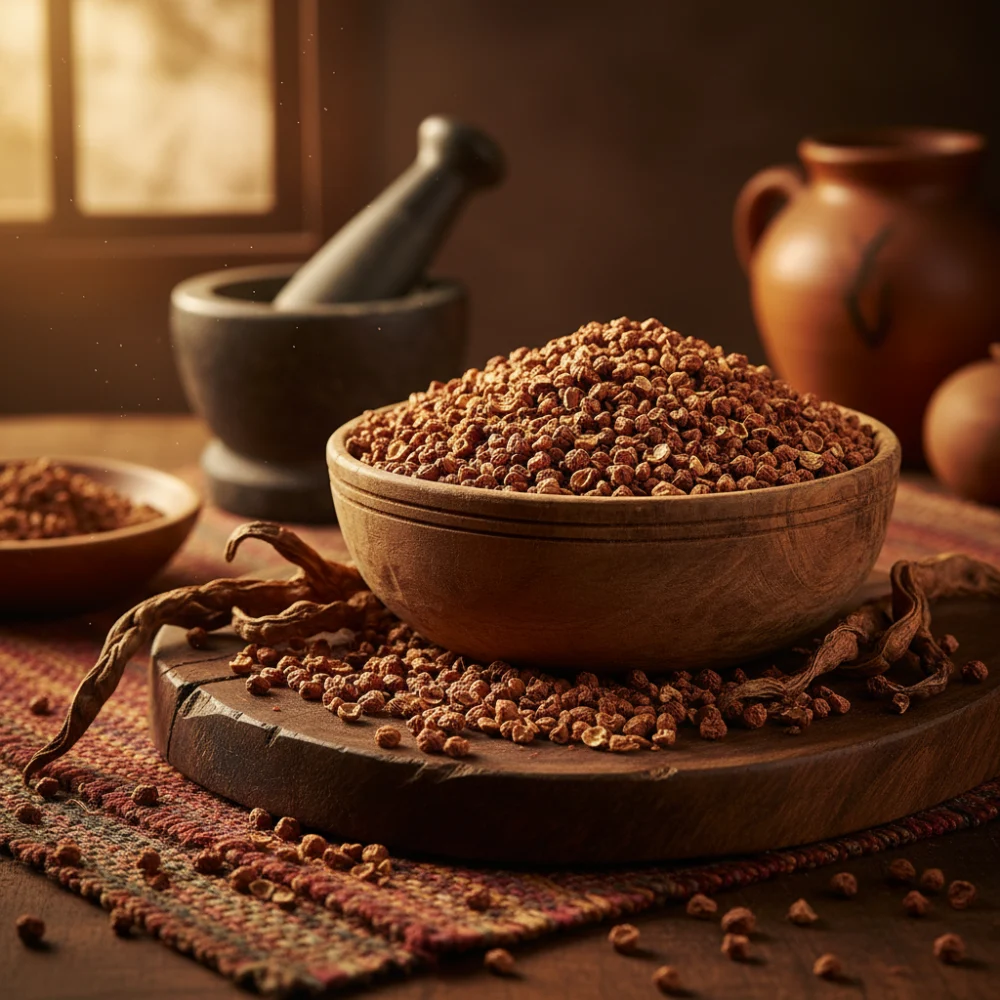
Grains of Paradise, scientifically known as Aframomum melegueta, is a rare and sophisticated spice belonging to the ginger family, Zingiberaceae. Native to the swampy habitats along the West African coast, particularly Ghana, Liberia, and Togo, this spice was once a highly enlarged commodity in Europe during the spice trade era, often used as a more affordable substitute for black pepper. Today, it is experiencing a renaissance among gourmet chefs and home cooks alike who prize it for its complex flavor profile that bridges the gap between spicy pepper and aromatic citrus.
Often referred to as Melegueta pepper, alligator pepper, or Guinea grains, the spice appears as small, reddish-brown seeds with a pyramidal shape. Unlike the straightforward heat of black peppercorns, Grains of Paradise offers a slow-building warmth accompanied by notes of cardamom, coriander, citrus, ginger, and nutmeg. This guide will walk you through everything you need to know to identify, prepare, and cook with this exceptional ingredient.
Prerequisites for Using Grains of Paradise
Before incorporating this spice into your culinary repertoire, ensure you have the following:
- Whole Grains of Paradise: It is best purchased whole rather than pre-ground to preserve its volatile oils.
- A Spice Grinder or Mortar and Pestle: The seeds are hard and require mechanical force to break down.
- A Storage Container: An airtight glass jar kept in a cool, dark place.
- Curiosity: A willingness to experiment with flavors that are both savory and floral.
Step 1: Identifying the Spice
The first step in using Grains of Paradise is recognizing it. When you purchase the spice, look for small, irregular seeds that are roughly 3 to 4 millimeters in diameter. They should have a reddish-brown, glossy exterior. If you look closely, the seeds are somewhat pyramidal or angular, unlike the round shape of black peppercorns. Inside, the kernel is white. If you are buying it in West African markets, it may be sold inside its original pod, which looks like a small, wrinkled fig, often called an ‘alligator’ pod due to its bumpy skin.
Step 2: Understanding the Flavor Profile
Before cooking, taste a tiny fragment of a crushed seed to understand its complexity. You will notice an initial woody aroma, followed by a peppery heat that is less harsh than black pepper but more intense than cardamom. The heat lingers pleasantly rather than stinging the tongue immediately. You should also detect distinct notes of citrus (lemon or orange), jasmine, and hazelnut. This multi-layered profile makes it suitable for lighter dishes where black pepper might be too aggressive.
Step 3: Preparing and Grinding
Because the seeds are dense, proper preparation is key. While you can put them in a standard pepper mill, they can sometimes jam the mechanism due to their hardness. The most effective method is using a mortar and pestle or a dedicated electric spice grinder.
For an enhanced flavor experience, briefly toast the whole seeds in a dry skillet over medium heat for one to two minutes until they become fragrant. Let them cool completely before grinding. This process releases the essential oils, intensifying the notes of ginger and cardamom.
Step 4: Culinary Applications
Grains of Paradise is incredibly versatile. Here is how to use it in various cuisines:
- Savory Dishes: Use it as a rub for steaks, lamb, or venison. It pairs exceptionally well with rich meats because its citrus notes cut through the fat. It is also a staple in North African spice blends like Ras el Hanout.
- Vegetables: Sprinkle freshly ground grains over roasted root vegetables like carrots, squash, or sweet potatoes to highlight their natural sweetness.
- Baking and Desserts: Surprisingly, this spice works wonders in sweet applications. Try substituting half the cinnamon in an apple pie recipe with Grains of Paradise, or add a pinch to gingerbread cookies for a sophisticated kick.
- Brewing: It is a popular adjunct in craft brewing, particularly in Belgian-style witbiers and summer ales, adding a spicy, floral finish to the beer.
Step 5: Storing and Substituting
To maintain freshness, store the whole seeds in an airtight container away from direct sunlight and heat. They will keep their potency for up to three years. If you encounter a recipe calling for Grains of Paradise but cannot find it, you can create a rough substitute by mixing black pepper with a pinch of ginger and cardamom. While this won’t replicate the exact floral nuance, it mimics the heat and aromatic profile reasonably well.
Conclusion
Grains of Paradise is more than just a historical footnote or a pepper substitute; it is a culinary gem that offers a unique sensory experience. By understanding its botanical origins, mastering the grind, and experimenting with both savory and sweet applications, you can elevate your cooking with the warm, zesty, and complex flavors of West Africa. Whether you are seasoning a steak or brewing a batch of homemade ale, this rare spice is a worthy addition to your pantry.

Related Posts