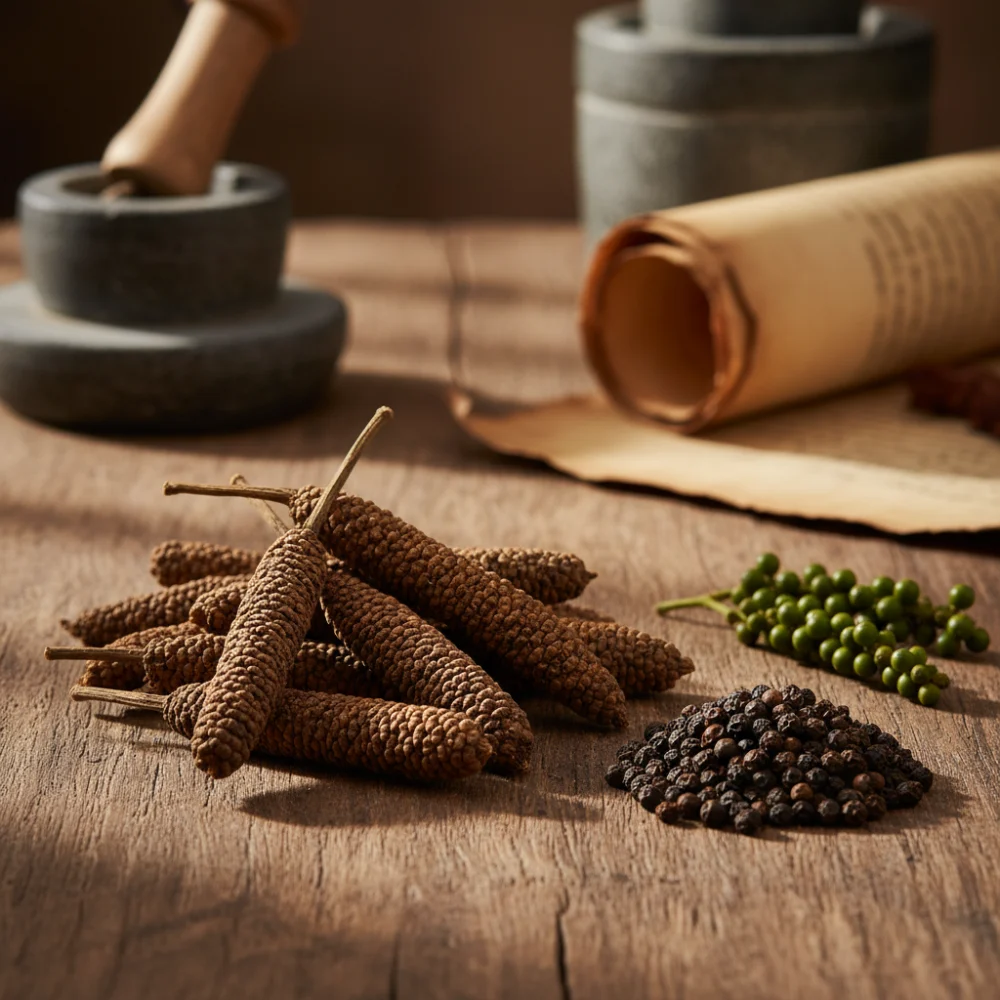
Long pepper, scientifically known as Piper longum, is a spice that once held a prestigious spot in the pantries of ancient Rome, Greece, and India. Although it is a close relative of the ubiquitous black pepper (Piper nigrum), it has largely fallen out of favor in modern Western cuisine. However, this unique ingredient is making a resurgence among chefs and home cooks who appreciate its complex flavor profile. Unlike round peppercorns, long pepper consists of many tiny fruits embedded in a flower spike, resembling a small catkin or a rough, miniature pine cone.
Prerequisites for Using Long Pepper
To truly appreciate and utilize long pepper in your kitchen, you need the right tools and quality ingredients. Because of its physical structure, it cannot be treated exactly like standard black peppercorns.
- Whole Long Pepper Spikes: Ensure you source these from reputable spice merchants to guarantee freshness and potency.
- Mortar and Pestle: This is the most effective tool for breaking down the hard, dense spikes.
- Spice Grinder: An electric grinder can be used after breaking the spikes into smaller pieces.
- A Microplane: Useful for grating the pepper directly over finished dishes.
Step 1: Identifying the Spice
The first step in understanding long pepper is recognizing its distinct appearance and aroma. The spice grows on a flowering vine and is harvested as a fruit spike. It is typically dried and sold whole. The spikes are usually one to two inches long and have a brownish-black to grey color. When you smell long pepper, you will notice it is more aromatic than black pepper, often evoking scents of timber, musk, and sweet spices like cinnamon or cardamom.
Step 2: Understanding the Flavor Profile
Long pepper is renowned for its heat, which is actually more intense than that of black pepper. Both spices contain the chemical compound piperine, which provides pungency. However, long pepper pairs this heat with a surprising sweetness and earthiness. When tasting it, look for complex undertones that resemble nutmeg, ginger, and cardamom. This unique combination allows it to bridge the gap between savory and sweet dishes effectively.
Step 3: Preparing and Grinding
You cannot simply put a whole long pepper spike into a standard pepper mill; it is too large and hard, and it may damage the mechanism. To prepare it for cooking, place the spike in a mortar and pestle and crush it into coarse pieces. If you require a fine powder, transfer these crushed pieces to an electric spice grinder. Alternatively, for a finishing touch, you can grate the whole spike firmly against a microplane, similar to how you would grate fresh nutmeg.
Step 4: Culinary Applications
Once ground, long pepper can be used in a variety of culinary contexts. It excels in slow-cooked dishes where its complex flavors have time to meld. Try using it in rich meat stews, curries, or pickles. Because of its sweet, woody notes, it is also an exceptional addition to sweet dishes. A pinch of ground long pepper can elevate poached fruit, chocolate desserts, or spiced cookies, adding a layer of warmth that black pepper cannot achieve.
Step 5: Storage and Preservation
Like most spices, long pepper loses its volatility and flavor over time if exposed to air and light. To maintain its potency, store the whole spikes in an airtight glass jar or metal tin. Keep the container in a cool, dark cupboard away from the heat of the stove. It is highly recommended to grind the pepper only when you are ready to use it, rather than pre-grinding a large batch, to ensure the essential oils remain intact.
In conclusion, long pepper is a fascinating ingredient that offers a window into the history of the spice trade while providing a sophisticated upgrade to modern dishes. Its combination of fiery heat and sweet, musk-like aromatics makes it a versatile tool for any cook. By understanding how to prep and pair this ancient spice, you can add a depth of flavor to your meals that standard black pepper simply cannot provide.

Related Posts