
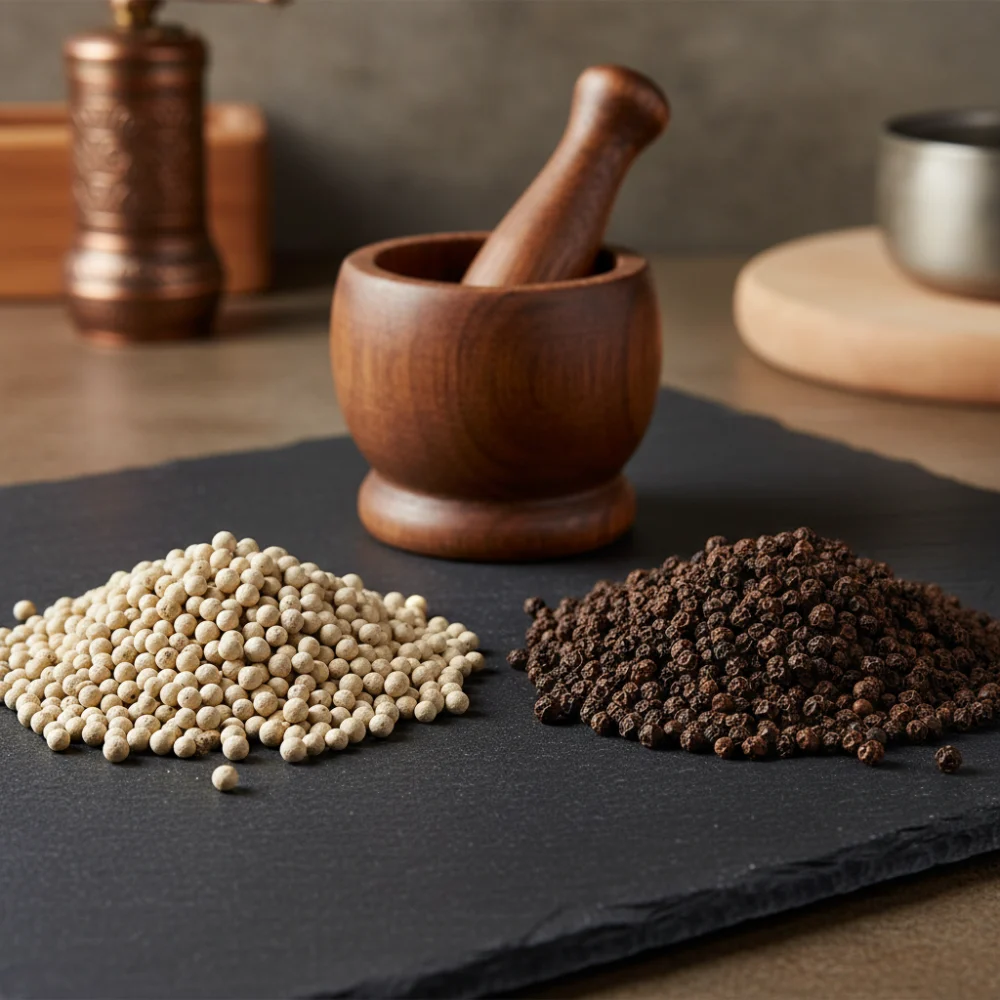
When standing in the spice aisle, the choice between white pepper and black pepper can often be confusing. While they both originate from the same plant, the Piper nigrum vine, they are processed differently, resulting in distinct flavor profiles, aromas, and visual appeals. Understanding these nuances is essential for elevating your cooking and achieving the intended balance in your dishes.
Understanding the Botanical Origin
Before diving into the differences, it is important to know that both spices start as the same berry. The primary distinction lies in the timing of the harvest and the subsequent processing methods. Black pepper is the most common variety found in kitchens worldwide, while white pepper holds a specific prestige in European sauces and Asian cuisine.
Step 1: Analyzing the Processing Method
The most significant difference arises during production. Black pepper is harvested when the berries are still unripe and green. They are then cooked briefly in hot water and dried in the sun. This process turns the skin black and wrinkled, locking in the spicy oils.
White pepper, conversely, is harvested when the berries are fully ripe and red. These berries are soaked in water for several days to ferment, a process called retting. The outer skin is then rubbed off, leaving only the inner seed, which is dried until it turns white or cream-colored.
Step 2: Comparing Flavor Profiles
Because the outer skin is removed, white pepper lacks the piney, floral notes found in black pepper. Instead, it possesses a simpler, earthier, and sometimes musty flavor profile. The heat in white pepper hits the palate differently; it is often described as a sharper, immediate heat, whereas black pepper builds a complex, lingering spiciness.
Step 3: Visual Aesthetics in Cooking
Chefs often choose between these two peppers based on the color of the final dish.
- Use White Pepper: In light-colored dishes where you do not want visible black specks, such as Béchamel sauce, mashed potatoes, cream soups, and light-colored Swedish meatballs.
- Use Black Pepper: For dry rubs on meats, dark sauces, salads, and pasta dishes where the visual contrast adds to the appeal.
Step 4: Regional Culinary Applications
Geography plays a massive role in preference. Black pepper is a staple in American and European savory cooking. White pepper, however, is crucial in Chinese, Thai, and French cuisines. For example, the distinct earthy taste of white pepper is a signature flavor in Hot and Sour Soup and traditional French cream sauces.
Conclusion
Ultimately, the choice between white and black pepper depends on the flavor depth and visual presentation you desire. While they can be substituted for one another in a pinch, keeping both in your pantry allows you to master the subtleties of seasoning. Use black pepper for bold aroma and texture, and switch to white pepper for aesthetic purity and sharp, earthy heat.

Related Posts