
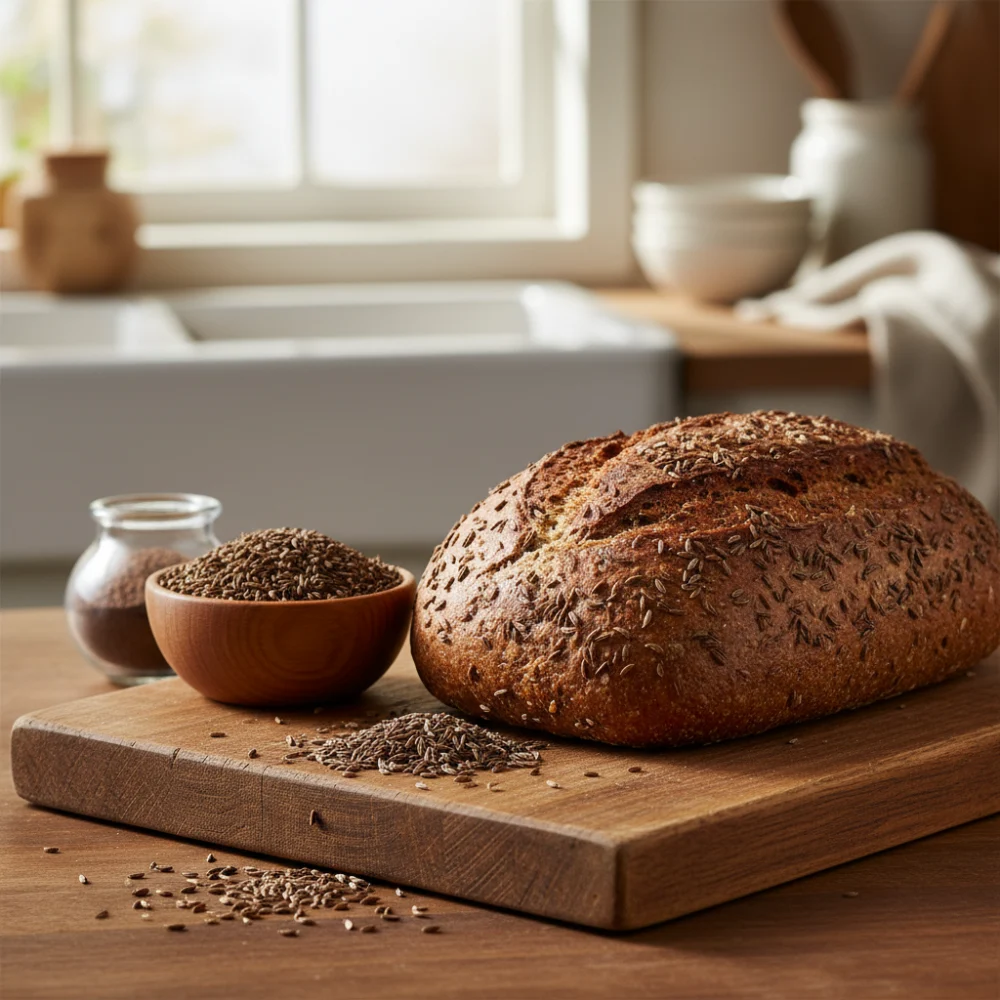
The marriage of caraway and rye is one of the most enduring partnerships in the culinary world. This combination defines the character of traditional European breads and has become a staple in modern artisanal baking. Understanding why these two ingredients work so well together is the first step toward creating the perfect loaf. The pairing is not just a matter of tradition; it is a complex interaction of flavor chemistry and texture that has stood the test of time.
Essential Requirements for Baking with Rye and Caraway
- High-quality rye flour: Choose between dark, medium, or light rye depending on your desired intensity.
- Fresh caraway seeds: Whole seeds are preferred for texture, while ground seeds provide a more uniform flavor.
- Leavening agent: Use either a mature sourdough starter or active dry yeast.
- Liquid base: Warm water or even a dark beer can enhance the earthy notes.
- Salt and optional sweeteners: Sea salt and a touch of molasses or honey to balance the bitterness.
Step 1: Selecting the Right Rye Flour
Not all rye flour is created equal. To achieve the best flavor profile, choose a flour that suits your texture preference. Dark rye flour contains more of the bran and germ, offering a robust, earthy flavor that stands up well to the pungent notes of caraway. Light rye provides a more subtle base, allowing the spice to take center stage. For a classic deli-style bread, a blend of rye and high-protein bread flour is often used to ensure a better rise.
Step 2: Preparing the Caraway Seeds
To maximize the aromatic oils within the caraway, consider lightly toasting the seeds in a dry pan over medium heat for one to two minutes. This process releases the carvone and limonene compounds, which are responsible for the distinctive licorice-like aroma that complements the sour notes of fermented rye. If you prefer a more subtle integration, you can soak the seeds in your recipe’s water for thirty minutes before mixing.
Step 3: Balancing the Flavor Ratios
A common mistake in rye baking is over-seasoning. For a standard loaf using 500 grams of flour, start with 1 to 2 tablespoons of caraway seeds. If you are using ground caraway, reduce the amount by half, as the flavor is more concentrated. Mix the seeds directly into the dry ingredients to ensure even distribution throughout the crumb, or reserve some to sprinkle on the crust for added visual appeal and crunch.
Step 4: Managing the Fermentation Process
Rye dough behaves differently than wheat dough because it contains more pentosans, which make the dough sticky and less elastic. A long, slow fermentation allows the caraway flavor to permeate the dough thoroughly. If using a sourdough method, the acidity of the starter helps stabilize the rye starches, creating a better structure that holds the seeds in place and prevents the bread from becoming overly gummy.
Step 5: Baking for Maximum Aroma
Bake the bread at a high temperature, typically around 425 degrees Fahrenheit. The intense heat caramelizes the sugars in the rye, creating a deep brown crust that contrasts beautifully with the crunch of the caraway seeds. Using steam during the first ten minutes of baking will help the crust expand and allow the caraway aroma to bloom without burning the seeds.
Conclusion: A Timeless Culinary Synergy
The success of caraway and rye lies in their shared chemical profiles and historical roots. The spicy, cooling sensation of caraway cuts through the dense, earthy sweetness of rye, creating a balanced sensory experience that is both comforting and sophisticated. By following these steps, you can honor this culinary tradition and produce professional-quality bread that highlights the perfect match of these two iconic ingredients.

Related Posts