
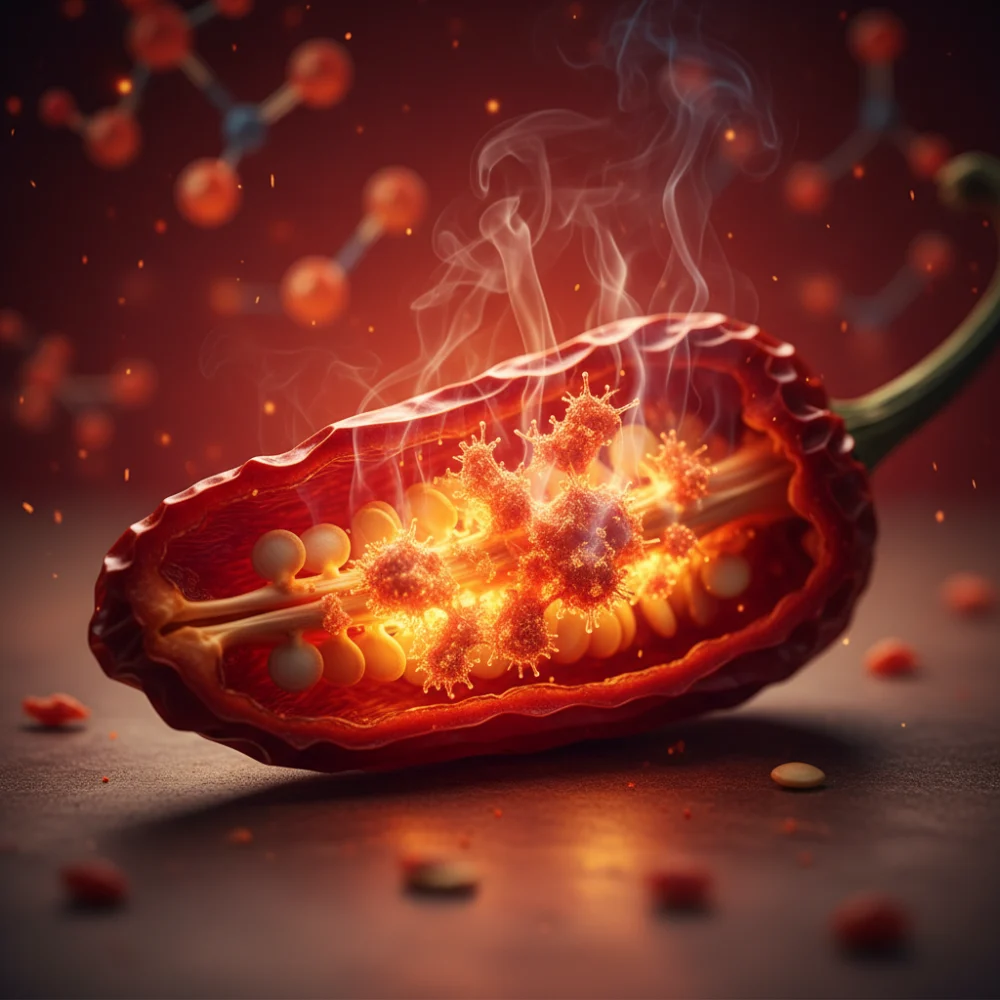
The Biological Fire of Cayenne Peppers
Cayenne peppers, belonging to the species Capsicum annuum, are renowned for their intense heat and medicinal properties. This heat is not a flavor but a chemical reaction triggered by a group of alkaloids known as capsaicinoids. The most prevalent of these is capsaicin, a colorless, odorless molecule that evolved as a defense mechanism to deter mammals from consuming the fruit while allowing birds to spread the seeds. Understanding the chemistry behind this sensation requires a look at how these molecules interact with human physiology.
Essential Requirements for Chemical Analysis
To safely handle and study the chemistry of cayenne peppers, you will need the following items:
- Protective Gloves: To prevent capsaicin from binding to the skin.
- Cayenne Pepper Samples: Dried or fresh specimens.
- Dairy Products: Specifically those containing casein.
- Alcohol-based Solvents: For dissolving capsaicin crystals.
- pH Testing Strips: To observe the acidity levels.
Step 1: Identifying the Capsaicinoids
The first step in understanding the heat is identifying the chemical structure of capsaicin (C18H27NO3). Capsaicinoids are produced in the placenta of the pepper, the white pithy tissue that holds the seeds. While many believe the seeds are the source of heat, they only appear hot because they are in contact with the capsaicin-rich placenta. By isolating this tissue, you can observe the highest concentration of the chemical responsible for the pungent sensation.
Step 2: Quantifying Heat via the Scoville Scale
The intensity of a cayenne pepper is measured using the Scoville Heat Scale. Historically, this was done through the Scoville Organoleptic Test, which involved diluting pepper extract in sugar water until the heat was no longer detectable by human tasters. Today, scientists use High-Performance Liquid Chromatography (HPLC). This method provides a precise measurement of capsaicinoid concentration, typically placing cayenne between 30,000 and 50,000 Scoville Heat Units (SHU).
Step 3: How Capsaicin Binds to Pain Receptors
The heat is actually a trick played on your nervous system. Capsaicin molecules bind to TRPV1 receptors located on sensory neurons. These receptors are normally responsible for detecting physical heat and pain. When capsaicin binds to them, it lowers the threshold at which the receptor sends a signal to the brain, causing the body to perceive a burning sensation at normal body temperatures. This triggers the release of endorphins and dopamine, which explains why some people enjoy the spicy experience.
Step 4: The Chemical Neutralization of Heat
Because capsaicin is a non-polar molecule, it is hydrophobic and does not dissolve in water. This is why drinking water often spreads the heat rather than quenching it. To neutralize the burn, you must use a non-polar solvent or a detergent-like substance. Casein, a protein found in milk, acts like a detergent by surrounding the capsaicin molecules and washing them away from the TRPV1 receptors. High-proof alcohol or fats like olive oil can also effectively dissolve the capsaicin molecules.
Conclusion: The Science of the Spice
The chemistry of heat in cayenne pepper is a fascinating intersection of botany, organic chemistry, and human neurology. By understanding that the burn is a chemical reaction rather than a physical heat source, you can better appreciate the complex evolutionary history of the Capsicum genus. Whether you are using cayenne for culinary depth or its metabolic benefits, knowing how to manipulate its molecular properties allows for a safer and more enjoyable experience.

Related Posts