Introduction to the World of Mustard Seeds
Mustard seeds are small, round seeds derived from various plants in the Brassicaceae family. These tiny powerhouses are a staple in global cuisines, known for their pungent flavor and medicinal properties. Mustard seeds come in three primary varieties: yellow, brown, and black. Each type possesses unique characteristics, heat levels, and culinary applications that every home cook and professional chef should understand to enhance their flavor profiles.
Essential Requirements for Working with Mustard Seeds
To fully appreciate and utilize mustard seeds in your kitchen, you will need the following items and ingredients:
- Whole Mustard Seeds: Yellow, brown, or black varieties depending on the specific recipe requirements.
- Mortar and Pestle: Essential for crushing seeds to release their volatile oils and pungency.
- Liquid Medium: Water, vinegar, or wine, which are used to hydrate mustard powder and activate its heat.
- Heat Source: A skillet or pan for tempering seeds in oil to unlock their nutty aroma.
Step 1: Identifying Yellow Mustard Seeds
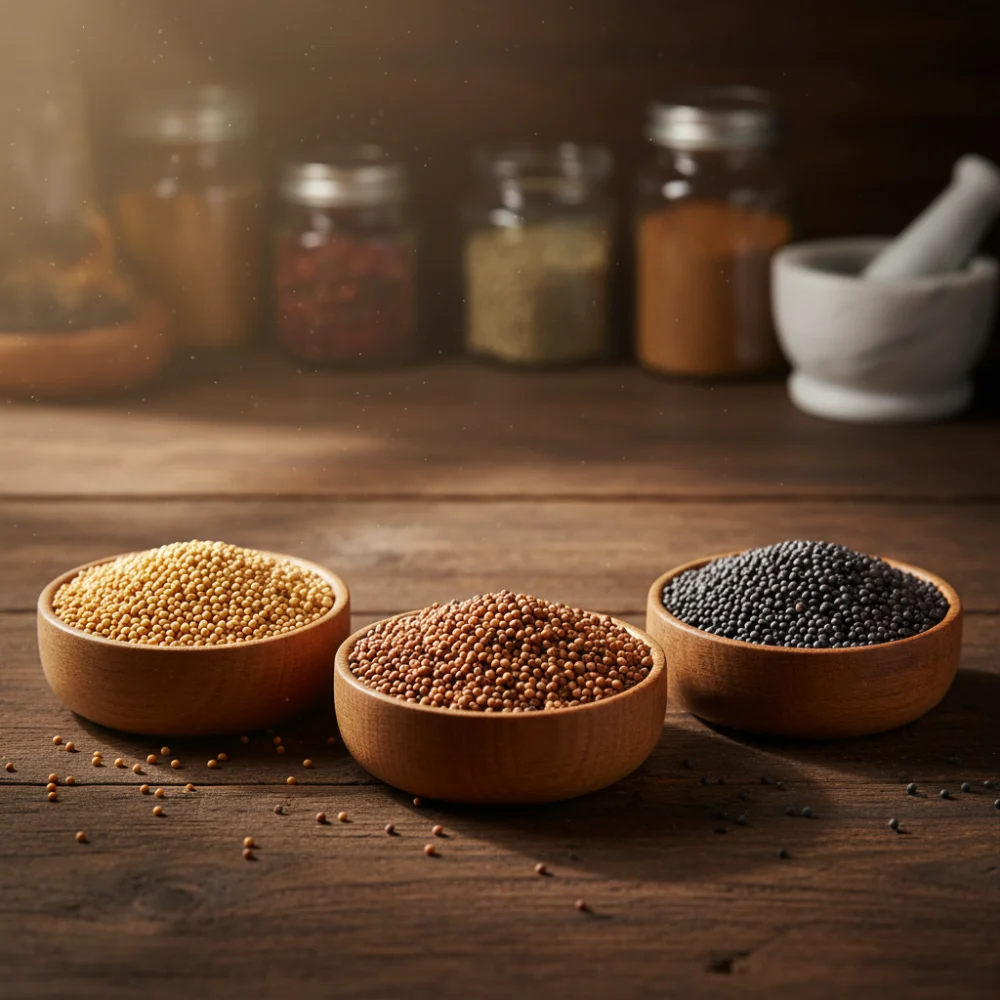
Yellow mustard seeds, also known as white mustard (Sinapis alba), are the most common variety found in North America and Europe. They are larger than the other types and have a mild, mellow flavor. When used in cooking, they provide a subtle heat and are the primary ingredient in traditional American yellow mustard. To identify them, look for a light tan or pale yellow color and a smooth surface. They are excellent for pickling, brining, and making mild condiments where a sharp bite is not desired.
Step 2: Understanding Brown Mustard Seeds
Brown mustard seeds (Brassica juncea) are smaller and significantly more pungent than yellow seeds. They are a staple in Indian, Chinese, and African cuisines. These seeds offer a sharp, spicy kick that lingers on the palate. To use them effectively, they are often toasted in hot oil until they pop, a process known as tempering or tadka. This technique transforms their sharp bite into a complex, nutty flavor profile that is ideal for curries, stir-fries, and spicy brown mustards like Dijon.
Step 3: Exploring Black Mustard Seeds
Black mustard seeds (Brassica nigra) are the most intense and volatile of the three varieties. They are small, dark brown to black, and pack a powerful punch of heat. Because they are difficult to harvest mechanically, they are less common in Western supermarkets but remain vital in authentic South Asian cooking. When working with black mustard seeds, handle them with care as their spiciness is potent. They are best used in spice blends or as a finishing touch in tempered oils to add a deep, earthy heat to legumes and vegetable dishes.
Step 4: How to Prepare and Use Mustard Seeds
To get the most out of your seeds, follow these preparation techniques:
- Toasting: Place seeds in a dry pan over medium heat. Shake the pan constantly until they start to pop and release a fragrant, toasted aroma.
- Grinding: Use a spice grinder or mortar and pestle to create a fresh powder. Remember that the heat of mustard is activated only when the powder is mixed with cold liquid.
- Soaking: For making homemade mustard, soak the seeds in vinegar or water for 24 to 48 hours to soften them before blending into a paste.
Conclusion
Understanding the nuances between yellow, brown, and black mustard seeds allows you to elevate your culinary creations with precision. Whether you are looking for the mild tang of yellow seeds for a salad dressing or the fiery depth of black seeds for a traditional curry, these versatile ingredients are essential for any well-stocked pantry. Experiment with different varieties to discover the perfect balance of heat and flavor for your specific dishes.

Related Posts