
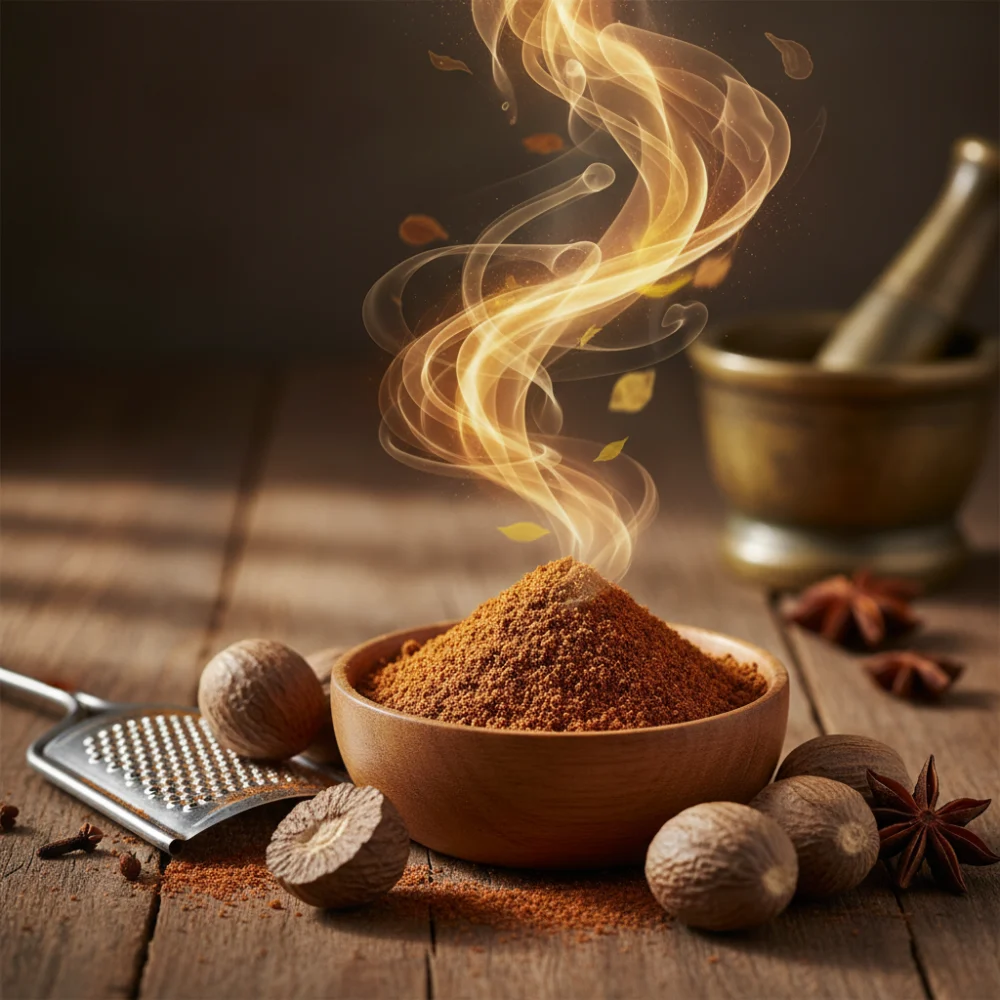
Nutmeg is the seed of the Myristica fragrans tree, an evergreen native to the Moluccas. While pre-ground nutmeg is convenient, it quickly loses the volatile oils that provide its signature warmth and complexity. Freshly ground nutmeg offers a multidimensional experience, featuring woody, sweet, and slightly peppery notes that can transform both savory and sweet dishes. Understanding how to handle this spice is essential for any serious home cook or professional chef.
Essential Requirements for Fresh Grating
To unlock the full potential of this spice and preserve its delicate aromatic compounds, you will need the following items:
- Whole Nutmeg Seeds: Look for heavy, oily seeds that feel dense.
- Microplane or Nutmeg Grater: A fine-etched blade ensures a light, fluffy powder that dissolves easily.
- Airtight Storage: A small glass jar to keep remaining whole seeds away from light and moisture.
- Measuring Spoon: Since fresh nutmeg is more potent than bottled versions, precise measurement is key.
Step 1: Selecting Quality Whole Nutmeg
The quality of your spice starts with the seed itself. Choose whole nutmegs that are uniform in color and feel heavy for their size. If you shake them, they should not rattle excessively, as this indicates the seed has dried out too much. The exterior should be a dusty brown, and when scratched with a fingernail, it should reveal a dark, oily, and highly aromatic interior. This oil contains myristicin and elemicin, the primary compounds responsible for the spice’s intense flavor.
Step 2: Mastering the Grating Technique
Proper technique ensures safety and the best texture. Hold your microplane or specialized nutmeg grater at a forty-five-degree angle over your mixing bowl or cooking pot. Grasp the nutmeg seed firmly between your thumb and forefinger, keeping your knuckles away from the sharp edges. Rub the seed against the blades in a firm, downward motion. Because fresh nutmeg is significantly more potent than the pre-ground variety, you usually only need a few passes to achieve the desired flavor intensity for a standard recipe.
Step 3: Analyzing the Flavor Profile
Once grated, take a moment to evaluate the aromatic profile. You will notice an immediate top note of bright citrus and pine, followed by a deep, earthy warmth. The flavor profile is characterized by a sweet-spicy duality. It provides a subtle numbing sensation on the tongue if consumed in high concentrations, which is why it is used sparingly to enhance other ingredients like heavy cream, spinach, or dark chocolate. The freshness ensures that these volatile oils are active when they hit the palate.
Step 4: Culinary Integration and Timing
Incorporate the freshly ground powder immediately to prevent the oxidation of its aromatic oils. For savory applications, it is a classic addition to Bechamel sauce, quiches, or mashed potatoes where it cuts through the richness of fats. In sweet dishes, it pairs perfectly with cinnamon and cloves in pumpkin pies, custards, and eggnog. It is often best to add freshly ground nutmeg toward the end of the cooking process or as a garnish to preserve the most delicate nuances of its scent.
Conclusion
Switching from pre-ground to freshly grated nutmeg is one of the simplest ways to elevate your culinary repertoire. By understanding its complex profile—ranging from woody undertones to sweet, spicy highlights—you can balance flavors with much greater precision. Remember that the potency of the fresh seed means a little goes a long way, and the immediate release of oils is the secret to achieving professional-grade depth in your cooking.

Related Posts