Introduction to Advanced Flavor Systems
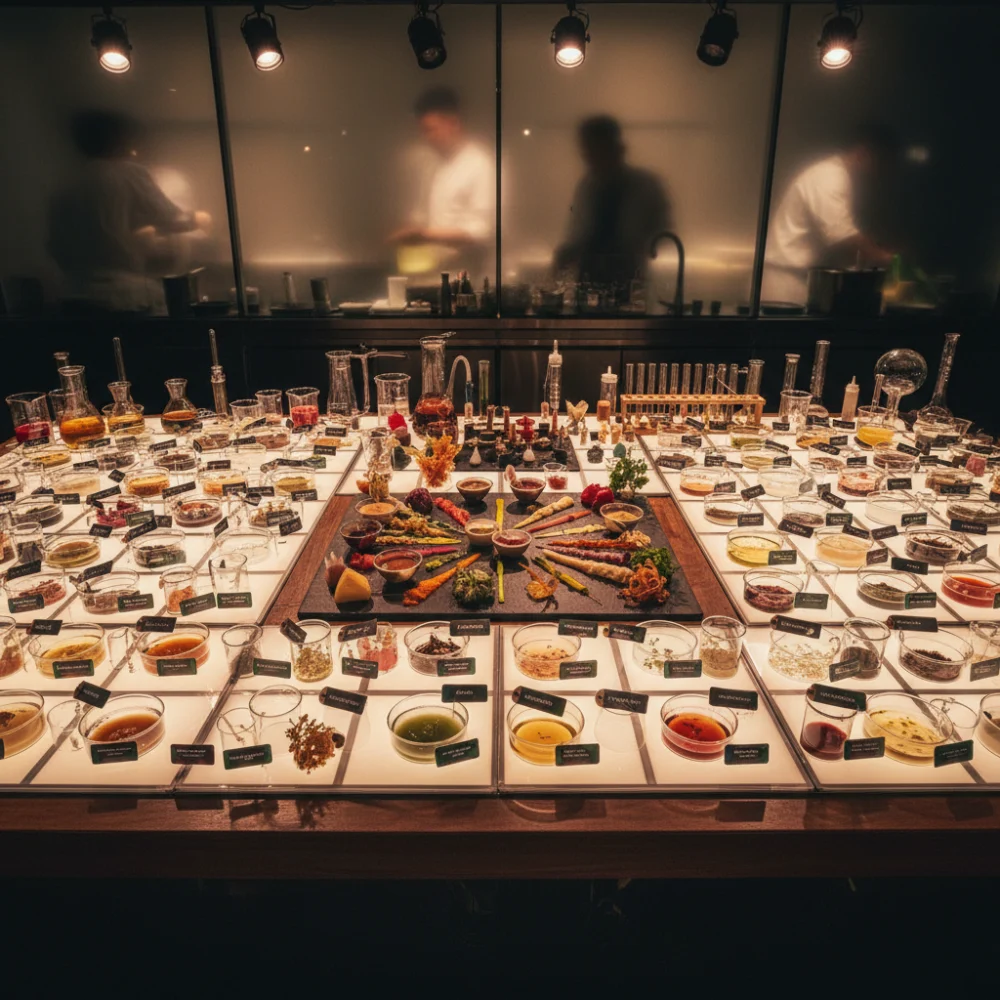
Moving beyond basic seasoning requires a deep dive into the chemical interactions that occur on the palate. In this guide, we explore the nuances of flavor profiles 51 through 100, focusing on how molecular gastronomy and traditional techniques merge to create complex dining experiences. Understanding these principles allows chefs to manipulate textures and tastes with precision, moving from intuitive cooking to scientific application.
Essential Requirements for Culinary Science
To master these advanced concepts, you will need specific equipment and a diverse pantry. Key requirements include:
- Digital precision scales for measuring additives to the decigram.
- A pH meter to test acidity levels in sauces and ferments.
- A wide array of aromatic herbs, spices, and chemical agents like lecithin or agar-agar.
- A high-powered blender for creating stable, microscopic emulsions.
- A vacuum sealer for infusion and compression techniques.
Step 1: Analyzing Chemical Synergies
Begin by identifying the chemical compounds within your ingredients. For example, pairing foods with shared volatile compounds often results in a more harmonious flavor profile. Molecular pairing is the foundation of modern culinary science. You should document how different acids react with proteins to alter both flavor and texture, specifically focusing on the 51-100 range of compound interactions.
Step 2: Balancing the Five Primary Tastes
While basic cooking focuses on salt and pepper, advanced culinary science requires balancing sweet, sour, salty, bitter, and umami in every dish. Use titration techniques to adjust acidity against sweetness. This step involves iterative tasting and adjustment to ensure that no single profile overwhelms the others, creating a balanced sensory experience that hits every part of the tongue.
Step 3: Manipulating Texture through Hydrocolloids
Texture significantly impacts how flavor is perceived by the brain. Use hydrocolloids to change the viscosity of liquids. For instance, adding xanthan gum can provide a rich mouthfeel without altering the flavor profile. Gelification and spherification allow for the controlled release of flavors, providing a dynamic eating experience where taste evolves as the dish is consumed.
Step 4: Managing Temperature and Volatility
Temperature dictates the rate at which aromatic molecules are released and received by the olfactory system. Learn to serve components at specific temperatures to highlight certain notes. Cold temperatures can suppress sweetness and enhance bitterness, while heat can volatilize essential oils in spices. Mastering the Maillard reaction at precise temperatures ensures deep, savory notes without carbonization.
Conclusion: The Path to Culinary Mastery
Mastering flavor profiles 51 through 100 is a journey of both art and science. By applying these rigorous standards to your cooking, you transition from a cook to a culinary scientist. Continue experimenting with different chemical interactions and keep detailed logs of your results to refine your unique culinary voice and produce world-class dishes.

Related Posts