
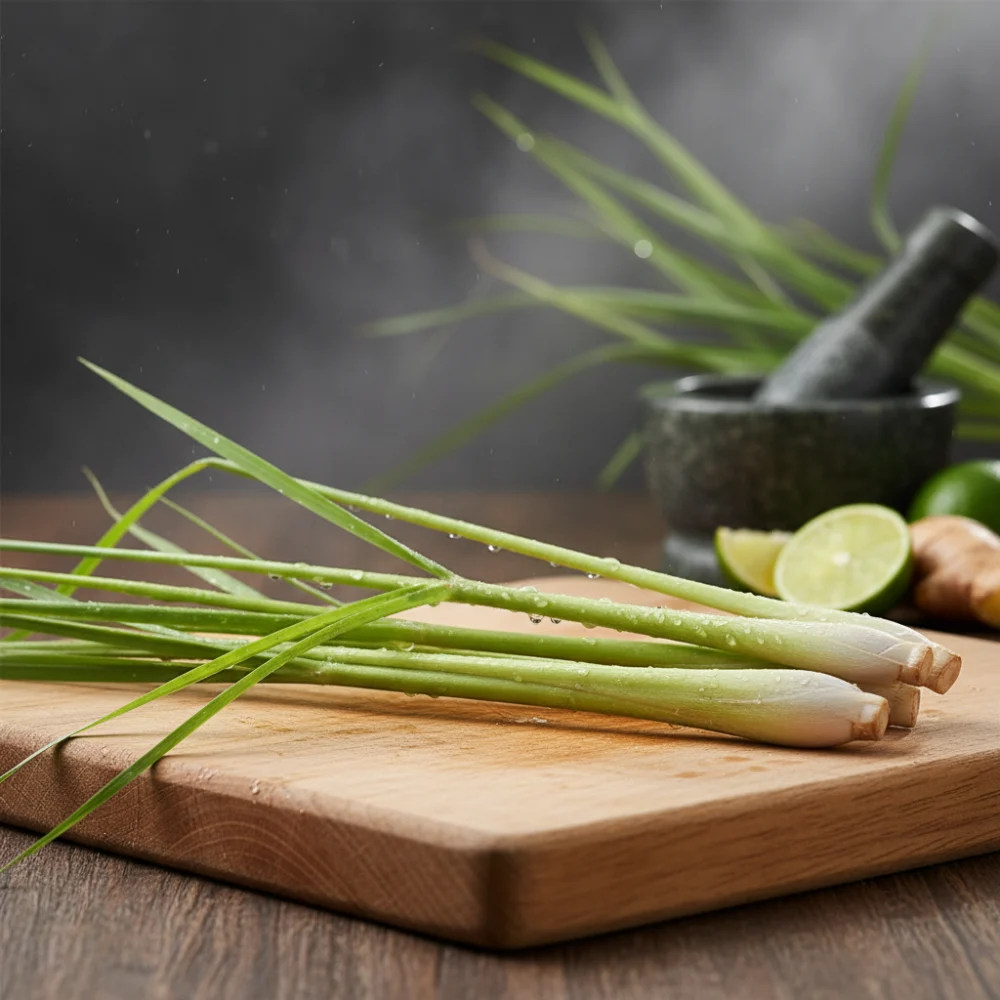
Lemongrass, scientifically known as Cymbopogon, is a tropical plant prized for its distinct citrus aroma and versatile applications in culinary, medicinal, and aromatic fields. This hardy grass is a staple in Southeast Asian cuisine but has gained global popularity due to its refreshing profile and health-promoting properties. Understanding how to harness its essence can elevate your cooking, improve your wellness routine, and freshen your living space naturally.
To begin working with lemongrass, you will need a few essential items: Fresh lemongrass stalks (look for firm, pale green bases), a sharp chef knife, a cutting board, and depending on your goal, a heavy mallet for bruising or a fine grater for zesting.
Step 1: Selecting and Preparing the Stalk
Start by choosing the best quality lemongrass. High-quality stalks should be firm to the touch and possess a fragrant, lemony scent even before being cut. To prepare the stalk, follow these steps:
- Trim off the spikey green tops, as these are often too fibrous for direct consumption but excellent for teas.
- Peel away the outer, woody layers until you reach the pale, tender inner core.
- Slice off the very bottom of the root end.
Step 2: Releasing the Essential Oils
The refreshing profile of lemongrass is locked within its fibrous structure. To release the aromatic oils, you must bruise or finely mince the herb:
- Bruising: Use the back of a knife or a mallet to lightly smash the tender white part of the stalk. This is ideal for infusing soups, stews, or teas where the stalk will be removed later.
- Mincing: Slice the tender core into very thin rounds and then chop them finely. This method is best for stir-fries, marinades, and salads.
Step 3: Culinary and Aromatic Application
Once prepared, you can integrate lemongrass into various applications. For a refreshing tea, simmer the bruised stalks in water for ten minutes and sweeten with honey. In cooking, add minced lemongrass early in the process to allow its citrus notes to meld with other ingredients like ginger, garlic, and coconut milk. For aromatherapy, you can place bruised stalks in a pot of simmering water to act as a natural room deodorizer.
Mastering the use of lemongrass allows you to tap into a world of vibrant flavors and soothing scents. Whether you are crafting a complex Thai curry or a simple herbal infusion, the refreshing profile of this herb provides a unique sensory experience. By following these preparation steps, you ensure that every bit of its citrusy goodness is effectively extracted and enjoyed.

Related Posts