
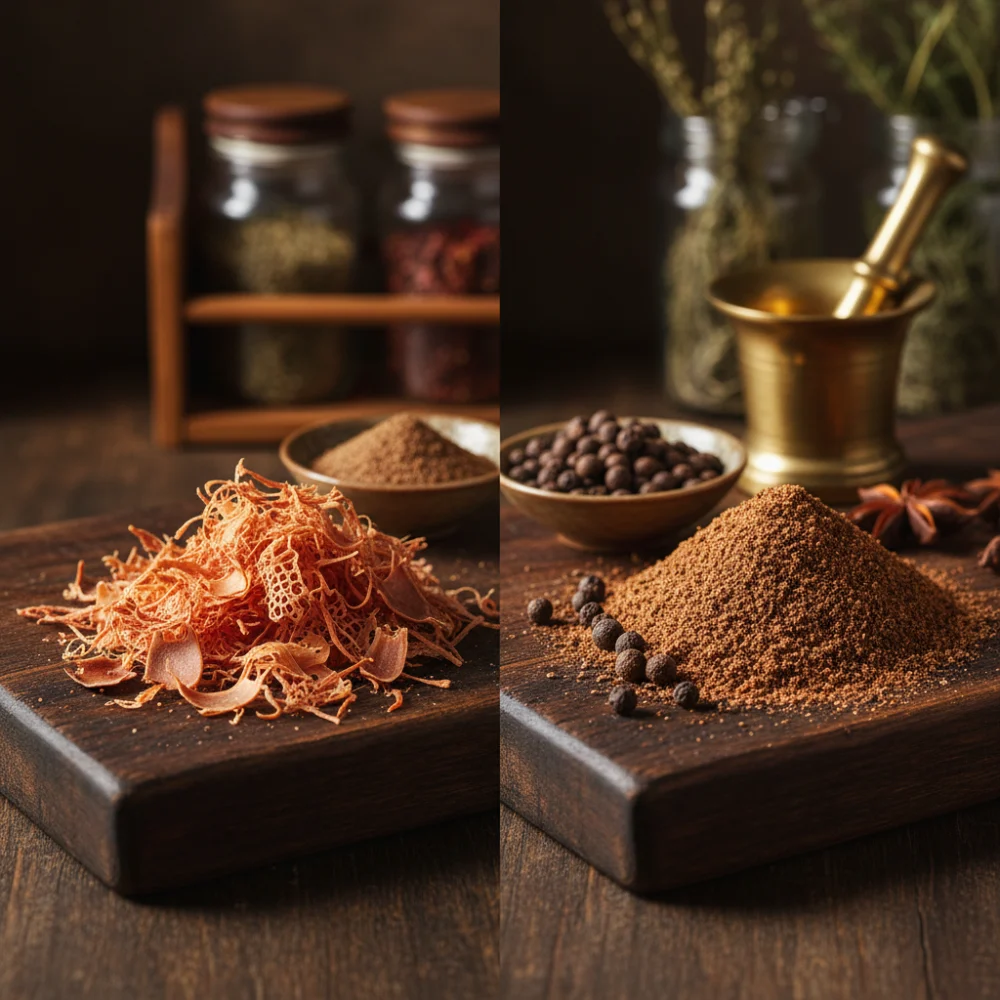
Mace and allspice are often confused due to their warm, aromatic qualities and similar appearances in ground form. However, they come from entirely different botanical sources and offer distinct flavor nuances. Understanding the difference is crucial for any home cook looking to master spice blending and seasoning. This guide provides a step-by-step approach to identifying, tasting, and applying these spices in your kitchen.
Essential Requirements for Spice Comparison
- Whole and ground mace blades
- Whole and ground allspice berries
- A mortar and pestle or electric spice grinder
- Airtight glass storage containers
- Small tasting spoons and neutral crackers for palate cleansing
Step 1: Identify the Botanical Origins
The first step in understanding these spices is knowing where they come from. Mace is the lacy, reddish-orange outer covering, known as an aril, of the nutmeg seed. It comes from the Myristica fragrans tree. In contrast, Allspice is the dried, unripe berry of the Pimenta dioica tree, which is a member of the myrtle family. While mace is a component of a seed, allspice is a standalone fruit berry.
Step 2: Distinguish the Flavor Profiles
Analyze the flavor by smelling and tasting a tiny amount of each. Mace tastes like a more delicate, slightly more pungent version of nutmeg with subtle hints of citrus and black pepper. Allspice, as its name suggests, tastes like a complex natural blend of cinnamon, cloves, and nutmeg. It is generally bolder and more robust than mace, providing a deeper earthy warmth that can dominate a dish if not used carefully.
Step 3: Apply the Correct Culinary Techniques
When using mace, it is best added to cream sauces, souffles, and light sponges where its subtle flavor can shine without being overwhelmed. It is also excellent in clear broths. Allspice is a staple in Caribbean jerk seasoning, Swedish meatballs, and traditional pumpkin pies. Use whole allspice berries in brines, pickling liquids, or slow-cooked stews, and ground allspice for baking and dry spice rubs.
Step 4: Execute Proper Substitutions
If a recipe calls for mace and you are out of stock, nutmeg is the most accurate substitute. If you must use allspice as a substitute for mace, use only half the amount requested because allspice is significantly stronger. Conversely, if substituting mace for allspice, combine the mace with a pinch of ground cloves and cinnamon to better mimic the multi-dimensional flavor of the pimento berry.
Conclusion
By mastering the differences between mace and allspice, you can elevate your cooking with professional precision. While both spices provide warmth, mace offers elegance and subtlety, whereas allspice provides depth and intensity. Always store both spices in a cool, dark place to maintain their volatile oils and ensure your dishes remain vibrant and aromatic.

Related Posts