
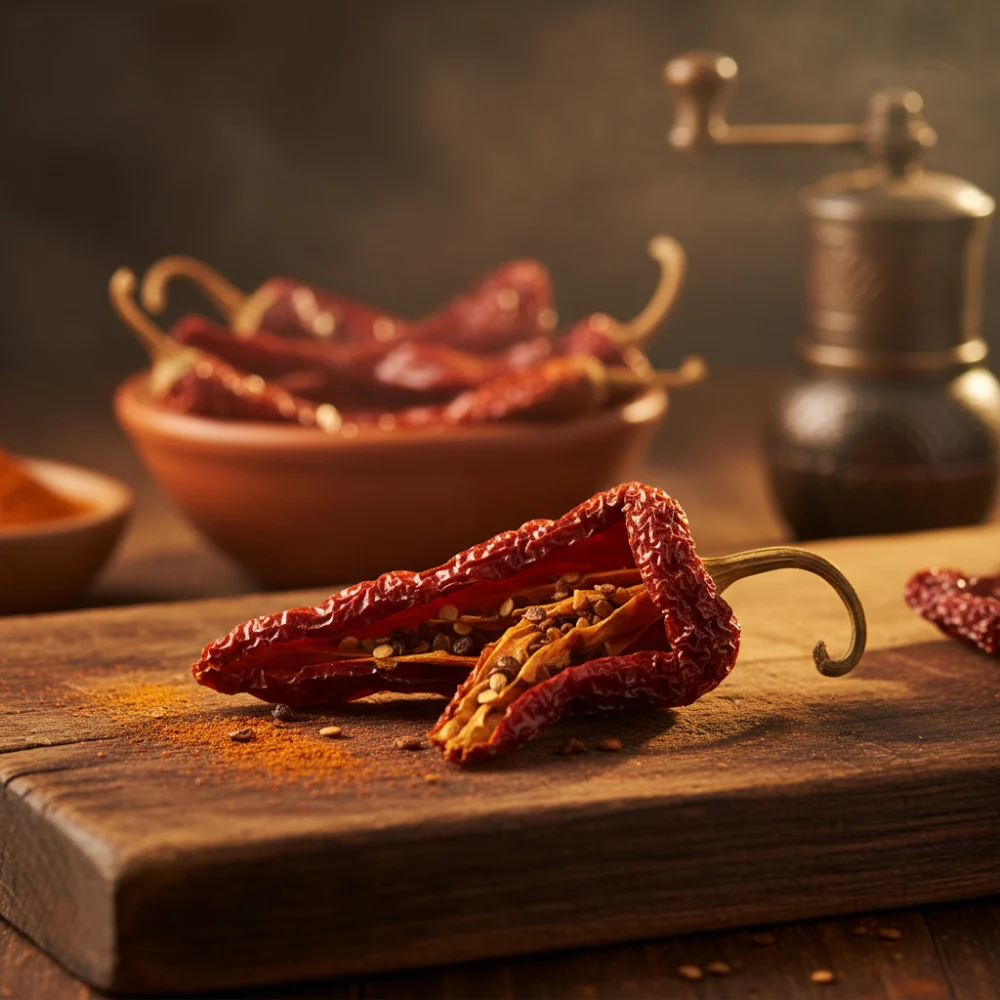
The Ancho chili is perhaps the most beloved dried pepper in Mexican cuisine. Derived from the ripened Poblano pepper, the Ancho is known for its wrinkled, dark skin and a flavor profile that leans toward raisins, coffee, and chocolate rather than raw heat. Understanding how to unlock its complex characteristics is essential for any chef looking to add depth and a subtle kick to their dishes. Unlike its spicier counterparts, the Ancho offers a mild Scoville rating, making it accessible for those who prefer flavor over fire.
Before you begin working with Ancho chilies, ensure you have the following items ready: Dried Ancho peppers (look for ones that are still slightly flexible), Warm water or broth for rehydration, A heavy skillet for toasting, Kitchen shears or a sharp knife, and A high-speed blender if you plan on making a paste or sauce.
Step 1: Selecting and Cleaning the Chilies
Start by choosing high-quality dried Anchos. They should be dark, almost blackish-purple, and feel slightly leathery rather than brittle. Use kitchen shears to cut off the stems and slit the peppers open lengthwise. Remove the seeds and the light-colored internal membranes, as these can contain bitterness and the majority of the concentrated heat. Wipe the exterior with a damp cloth to remove any dust from the drying process.
Step 2: Toasting for Maximum Aroma
Toasting the dried skins is a critical step that awakens the essential oils and deepens the smoky notes. Place a dry skillet over medium heat. Once hot, press the flat pieces of chili against the pan for about 30 to 60 seconds per side. You will know they are ready when they become fragrant and change color slightly, but be careful not to burn them, as scorched chilies will impart a bitter taste to your final dish.
Step 3: Rehydrating the Peppers
Once toasted, place the chili pieces into a bowl and cover them completely with very hot water or warm vegetable stock. Let them soak for approximately 20 to 30 minutes until they are soft and pliable. Do not discard the soaking liquid immediately; taste it first. If it is not bitter, it can be used to thin out sauces or as a flavorful base for soups, carrying the essence of the Ancho’s earthy sweetness.
Step 4: Creating a Rich Chili Paste
Transfer the softened chilies to a blender. Add a small amount of the soaking liquid, along with aromatics like garlic, cumin, or oregano depending on your recipe. Blend until the mixture is completely smooth. This paste serves as the foundation for traditional mole sauces, enchilada bases, or even as a rub for roasted meats. The resulting texture should be thick and velvety, showcasing the Ancho’s signature mild heat.
Mastering the Ancho chili allows you to bridge the gap between simple seasoning and complex flavor layering. By following these steps—cleaning, toasting, rehydrating, and blending—you harness the full potential of this versatile pepper. Whether used in a hearty stew or a delicate chocolate dessert, the nuanced heat of the Ancho remains a cornerstone of sophisticated cooking.

Related Posts