
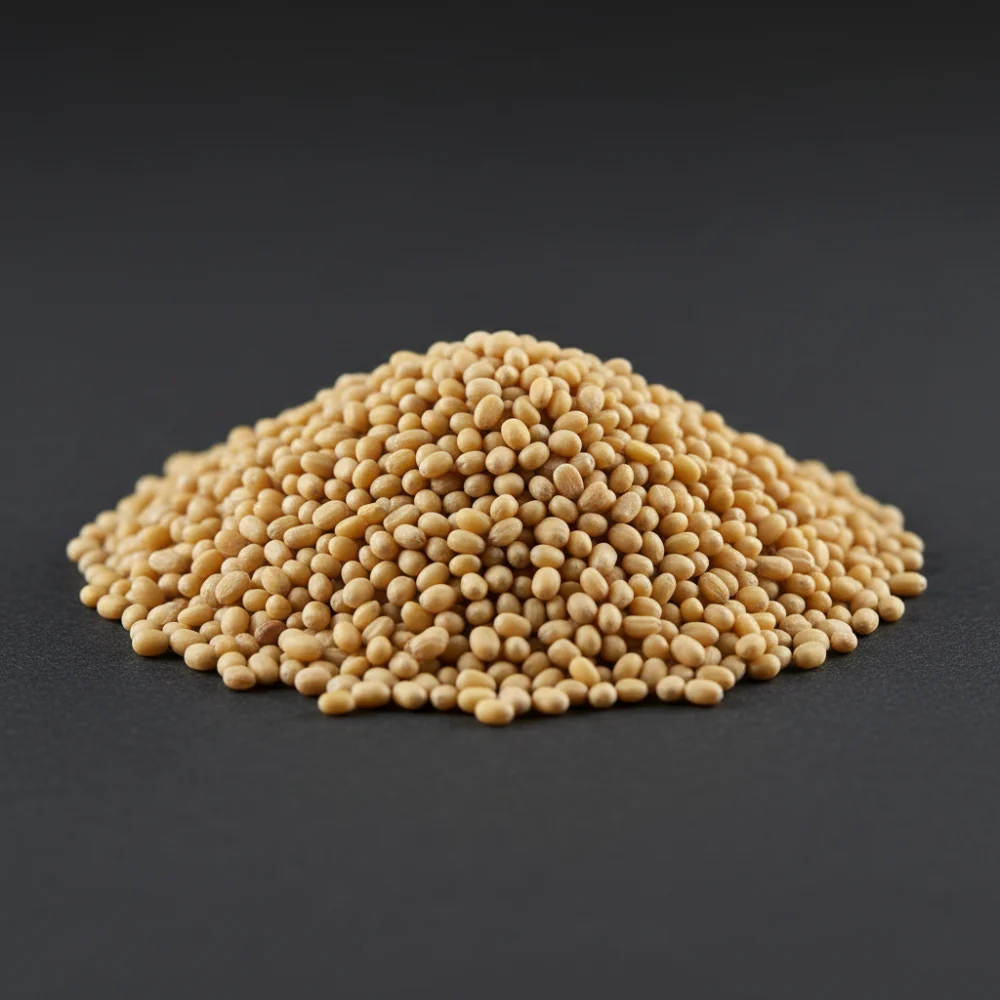
White mustard seeds, derived from the Sinapis alba plant, are celebrated for their mild yet distinctively sharp profile. Unlike their black or brown counterparts, white mustard seeds provide a cleaner, more acidic heat that acts as a foundational element in global cuisines. Understanding how to manipulate these seeds allows chefs to control the intensity of their dishes, ranging from subtle nutty undertones to a piercing, sinus-clearing pungency.
Essential Requirements for Working with White Mustard Seeds
To effectively harness the flavor profile of these seeds, you will need the following items:
- High-quality white mustard seeds: Ensure they are fresh and stored in a cool, dark place.
- Liquid agent: Cold water, vinegar, or wine for activation.
- Grinding tools: A mortar and pestle or a dedicated spice grinder.
- Time: Patience is required for the enzymatic reaction to reach its peak.
Step 1: Selecting and Storing Your Seeds
The quality of your final product depends heavily on the freshness of the seeds. Look for seeds that are uniform in color and free from shriveling. Because the oils within white mustard seeds are volatile, they should be stored in airtight containers away from direct sunlight. Fresh seeds will have a faint, nutty aroma when dry, but their true sharp profile remains dormant until they are crushed and hydrated.
Step 2: Activating the Myrosinase Enzyme
The characteristic heat of white mustard is not present in the whole, dry seed. It is created through a chemical reaction when the enzyme myrosinase interacts with glucosinolates in the presence of water. To activate this, you must grind the seeds into a fine powder and mix them with a cold liquid. Important Note: Using boiling water will deactivate the enzymes, resulting in a bitter, flat flavor rather than a sharp one.
Step 3: Controlling the Intensity and Acidity
Once the seeds are hydrated, the sharpness will peak within 10 to 15 minutes. To lock in this heat and prevent it from dissipating, you must add an acid such as vinegar or lemon juice. The acid halts the enzymatic reaction at its most potent stage. If you prefer a milder profile, allow the paste to sit longer before adding the acid, or incorporate a small amount of sugar or honey to balance the sharpness.
Step 4: Integrating the Seeds into Recipes
White mustard seeds are incredibly versatile. You can use them whole in pickling brines to provide a slow-release flavor, or as a ground paste to emulsify vinaigrettes and mayonnaise. Because of their high mucilage content, ground white mustard seeds act as a natural thickener and stabilizer in sauces. Try toasting the whole seeds briefly in oil until they pop to release a toasted, nutty flavor that is less sharp but more aromatic.
Conclusion: Perfecting the Sharpness
Mastering the sharp profile of white mustard seeds is a fundamental skill for any culinary enthusiast. By understanding the science of enzymatic activation and the role of temperature and acidity, you can transform these small seeds into a powerful flavor agent. Whether you are crafting a traditional Dijon-style mustard or enhancing a delicate seafood dish, the controlled heat of white mustard seeds offers a sophisticated depth that is unmatched by other spices.

Related Posts