
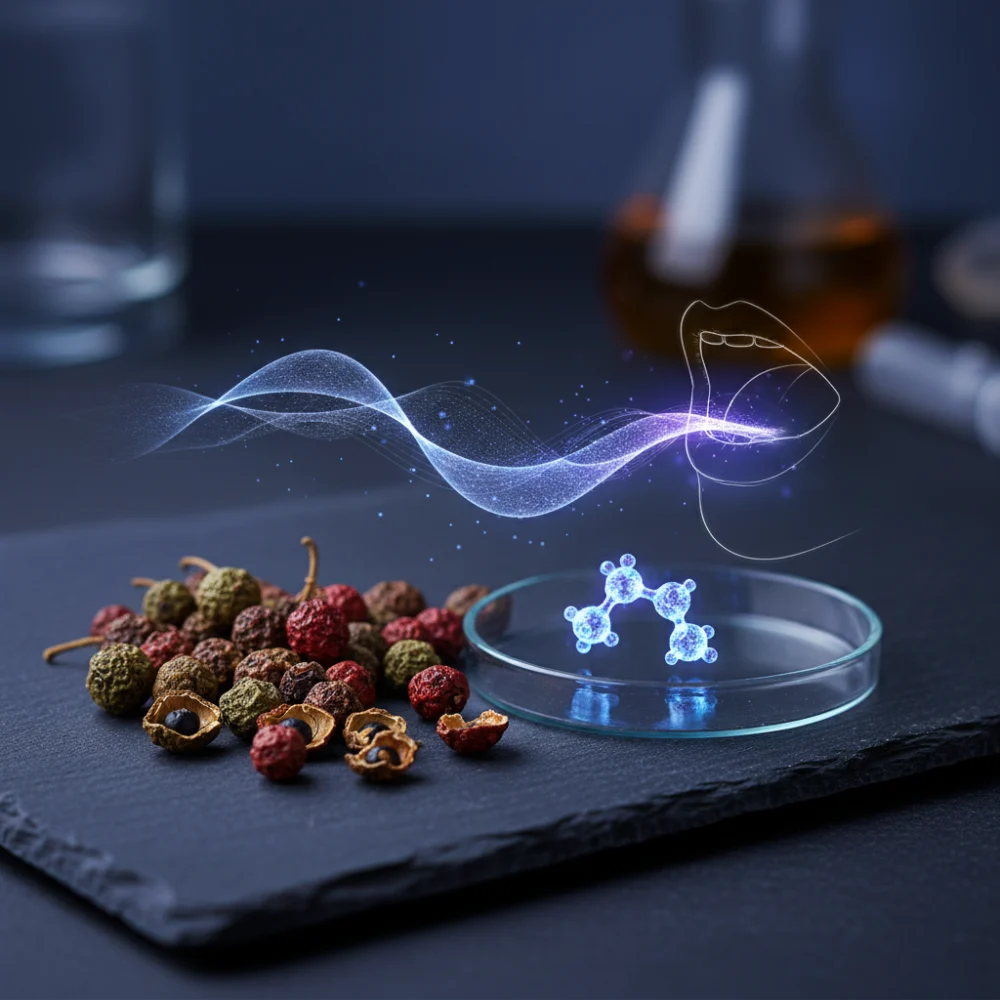
Sichuan peppercorns are a staple ingredient in Chinese cuisine, particularly from the Sichuan province. Unlike chili peppers that create a sensation of heat, these small husks produce a unique tingling, buzzing, and numbing effect on the tongue. This phenomenon is known as ma in Chinese, often combined with la (spicy heat) to create the famous mala flavor profile. But what exactly causes this strange electrical sensation? The answer lies in the complex chemistry of the spice and how it interacts with the human nervous system.
To fully understand and experience the science discussed here, having a reference point is helpful. While this is an informational guide, the following items are the subjects of the analysis:
- Whole Sichuan Peppercorns: Red or green varieties are suitable.
- A clean palate: Water is best to neutralize the mouth before tasting.
- Curiosity: An interest in food chemistry and sensory perception.
Step 1: Understanding the Botanical Origin
First, it is important to recognize that the Sichuan peppercorn is not actually a pepper. It is not related to black pepper (Piper nigrum) or chili peppers (Capsicum). Instead, it is the dried husk of the fruit from the prickly ash tree, belonging to the genus Zanthoxylum. This genus is part of the Rue or Citrus family, which explains why high-quality Sichuan peppercorns often have distinct citrusy, floral, or woodsy overtones before the numbing sets in.
Step 2: Identifying the Active Molecule
The magic ingredient responsible for the numbing sensation is a molecule called hydroxy-alpha-sanshool. While capsaicin in chili peppers triggers heat receptors, sanshool acts differently. It is chemically structurally similar to compounds found in other tingling plants, such as Spilanthes (the toothache plant), but it is potent and specific in its action. The concentration of this oil within the husk determines the intensity of the numbness.
Step 3: The Mechanism of Paraesthesia
When you eat Sichuan peppercorn, the hydroxy-alpha-sanshool interacts with tactile sensors in your lips and mouth. Specifically, it binds to receptors known as KCNK3, KCNK9, and KCNK18. These are potassium leak channels on sensory neurons. By blocking these channels, the molecule confuses the nervous system, triggering a false signal. This results in paraesthesia, the medical term for the pins-and-needles sensation you might feel when a limb falls asleep.
Step 4: The 50 Hertz Vibration
Scientific studies suggest that the sensation produced by hydroxy-alpha-sanshool mimics the physical sensation of a light touch vibrating at approximately 50 Hertz. This is why the tongue feels like it is vibrating or buzzing. The brain interprets the chemical interaction not as a taste (like sweet or sour) or a temperature burn (like hot peppers), but as a mechanical vibration, creating a tactile hallucination inside the mouth.
Step 5: Experiencing the Mala Synergy
To experience the full culinary effect, one must combine the numbing agent with heat. In Sichuan cooking, the numbing effect of the peppercorn desensitizes the tongue to the pain of hot chilies. This allows diners to consume heavily spiced dishes while appreciating the fruity and citrusy notes of the peppers without being immediately overwhelmed by the burn. This synergy is the foundation of the addictive mala flavor.
Understanding the science behind Sichuan peppercorns transforms eating into a bio-sensory experiment. By triggering specific potassium channels and simulating a 50 Hertz vibration, this unique spice bridges the gap between taste and touch. Whether you use it in a traditional Mapo Tofu or a modern cocktail, you are engaging in a complex chemical interaction that highlights the incredible sensitivity of the human nervous system.

Related Posts