
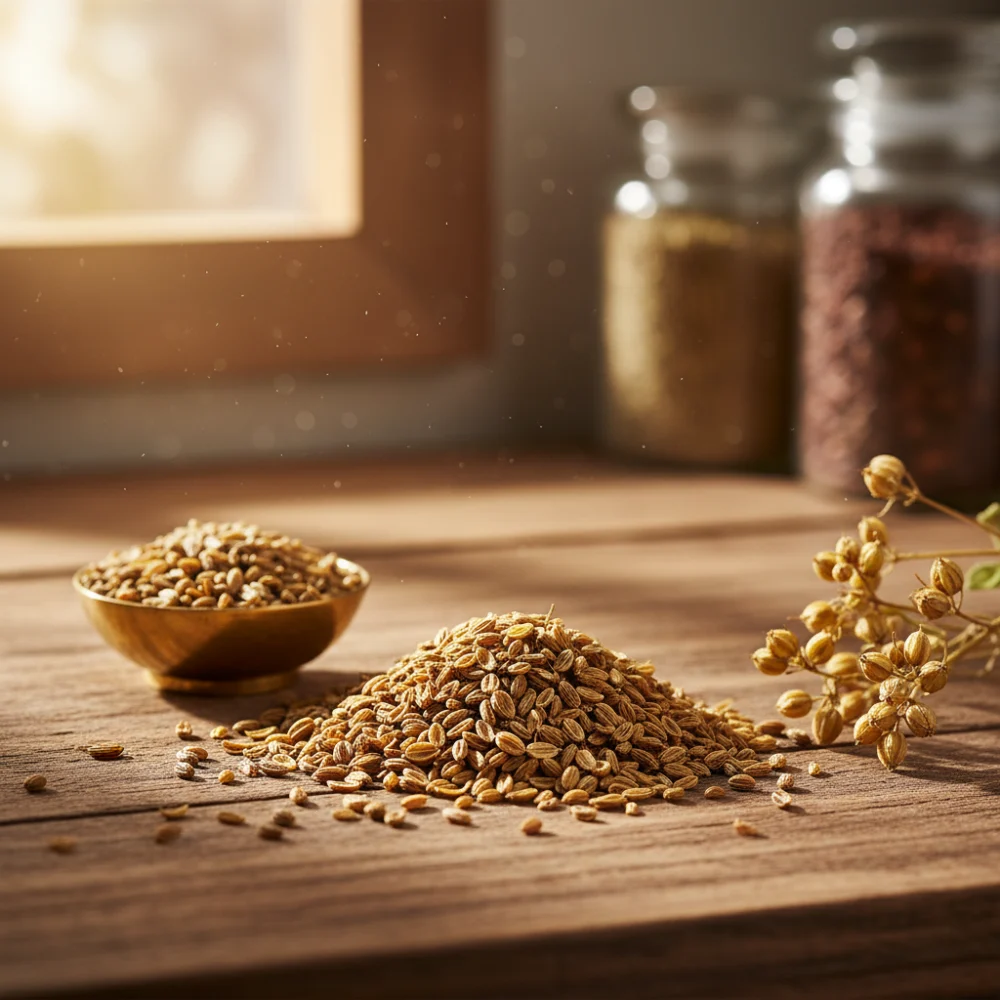
Ajwain, commonly known as carom seeds or bishop’s weed, is a staple spice in Indian cooking and Ayurvedic medicine. Although they look like seeds, they are technically the fruit of the herb Trachyspermum ammi. They are small, oval-shaped, and pale brown, closely resembling cumin or fennel seeds but possessing a much stronger, pungent flavor profile often compared to thyme and oregano due to the presence of thymol. This guide details what ajwain is and how you can utilize its extensive benefits for your health and kitchen.
1. Understanding the Nutritional Profile
To appreciate the benefits of carom seeds, one must first look at their composition. Ajwain is incredibly nutrient-dense. It is rich in fiber, antioxidants, and vitamins. The seeds contain significant amounts of minerals such as iron, calcium, and phosphorus. Most importantly, the essential oil derived from these seeds contains thymol, a compound known for its antiseptic, anti-inflammatory, and antifungal properties.
2. Improving Digestive Health
The most widely recognized benefit of ajwain is its positive impact on the digestive system. Active enzymes in the seeds improve the flow of stomach acids, which can help relieve indigestion, bloating, and gas. How to use: For immediate relief from acidity or indigestion, you can chew half a teaspoon of raw ajwain seeds with a pinch of salt and a sip of water. Alternatively, drinking ajwain water (seeds soaked overnight or boiled) is a gentle way to maintain gut health.
3. Relieving Respiratory Ailments
Ajwain serves as an effective natural decongestant. The thymol content aids in clearing mucus from the nasal passages and lungs, making it beneficial for treating the common cold, asthma, and bronchitis. How to use: You can boil a tablespoon of carom seeds in water and inhale the steam to clear nasal blockages. Another traditional method involves roasting seeds, wrapping them in a soft cloth, and placing the warm bundle on the chest to soothe congestion.
4. Managing Pain and Inflammation
Due to its anti-inflammatory and antibiotic properties, ajwain can be used to manage various types of pain. It is particularly effective for toothaches and earaches. How to use: For toothaches, gargling with a mixture of lukewarm water, a teaspoon of ajwain, and salt can reduce pain and kill oral bacteria. For joint pain or arthritis, a paste made of crushed seeds and water can be applied topically to the affected area to reduce swelling.
5. Culinary Uses and Flavor Enhancement
Beyond its medicinal properties, ajwain is a powerful flavor enhancer used in savory dishes. Because it aids digestion, it is frequently added to heavy, starchy, or deep-fried foods like lentils, breads (parathas), and fritters (pakoras). How to use: The best way to release the flavor is by tempering the seeds. Heat a small amount of oil or ghee and fry the seeds for a few seconds until they sizzle and release their aroma before adding them to your dish.
Conclusion
Ajwain is far more than just a kitchen spice; it is a versatile home remedy that has been trusted for centuries. From soothing an upset stomach to adding a unique punch of flavor to your meals, carom seeds are a valuable addition to any pantry. By incorporating small amounts of ajwain into your diet, you can enjoy its distinct taste while reaping its numerous health benefits.

Related Posts