
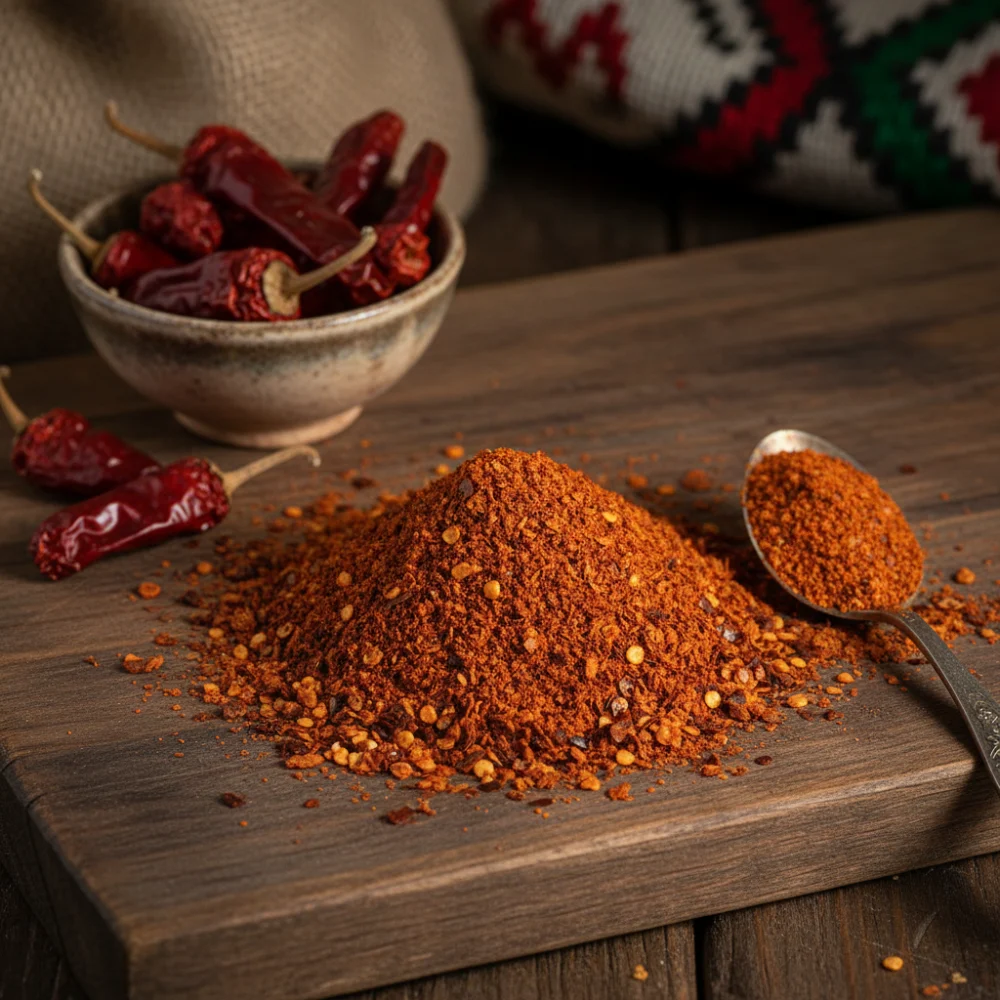
Aleppo pepper, also known as the Halaby pepper, is a unique variety of capsicum widely used in Middle Eastern and Mediterranean cuisine. Named after the ancient city of Aleppo in Syria, this spice is distinct from standard crushed red pepper flakes found in most Western pantries. It offers a moderate heat level combined with a complex, fruity flavor profile that includes notes of cumin and sun-dried tomatoes. Understanding how to identify, store, and utilize this spice can elevate your cooking by adding depth without overwhelming the palate with spice.
Essential Pantry Requirements
To fully appreciate and utilize Aleppo pepper in your culinary rotation, you will need to understand what to look for and how to maintain its quality. Here is what you need:
- Authentic Aleppo Pepper: Look for flakes that are deep red, slightly oily, and have a coarse texture. It is often labeled as Pul Biber in Turkish markets.
- Airtight Storage: Due to its high oil content and salt curing process, proper storage containers are essential to prevent clumping and rancidity.
- Complementary Ingredients: This spice pairs exceptionally well with Greek yogurt, labneh, hummus, roasted meats, and even dark chocolate.
Step 1: Understanding the Origin and Processing
The first step to appreciating Aleppo pepper is understanding how it is made. Unlike standard chili powder which is dried until brittle and then ground, the Halaby pepper undergoes a specific curing process. The peppers are semi-dried, de-seeded, and then crushed into coarse flakes. Traditionally, salt and oil are added during the drying process to preserve the pepper. This results in a finished product that is not a dry dust, but rather a slightly moist, oily flake with a rich burgundy color. This processing method preserves the natural oils of the pepper, contributing to its aromatic intensity.
Step 2: Identifying the Flavor Profile and Heat Level
When using Aleppo pepper, do not expect the sharp, stinging heat of cayenne. On the Scoville scale, Aleppo pepper typically ranks around 10,000 SHU, making it about half as hot as cayenne pepper. The flavor is the primary attraction; it is tangy, earthy, and slightly fruity, often described as having raisin-like undertones. Because it is mild, it functions less like a hot sauce and more like a flavor enhancer. You can use it generously to finish a dish without making it inedible for those sensitive to spice.
Step 3: Mastering Storage Techniques
Because Aleppo pepper is cured with salt and retains natural oils, it is more susceptible to spoilage than dry spices. Exposure to air and heat can cause the oils to go rancid or the color to fade from a vibrant red to a dull brown. To maintain freshness, keep the bulk of your supply in the refrigerator or freezer in a sealed container. Keep a small jar in a cool, dark cupboard for daily use, but ensure it is airtight to prevent the salt in the mix from absorbing moisture from the air, which leads to clumping.
Step 4: Incorporating Aleppo Pepper into Cooking
Aleppo pepper is incredibly versatile and can be used at various stages of cooking. Here is how to use it effectively:
- As a Finisher: Sprinkle it over eggs, avocado toast, or pizza just before serving for a pop of color and mild heat.
- In Marinades: The acidity and fruitiness of the pepper make it an excellent rub for chicken kebabs or lamb chops.
- With Dairy: The heat cuts through the richness of creamy foods. Stir it into yogurt dips or sprinkle it over labneh with olive oil.
- Desserts: For the adventurous cook, add a pinch to chocolate brownies or mousse to highlight the fruit notes in the cocoa.
Step 5: Finding Substitutes
If you cannot find authentic Aleppo pepper, you can create a functional substitute, though the flavor will not be identical. The most common method is to mix four parts sweet paprika with one part cayenne pepper. This mimics the color and heat balance but often lacks the salty, sun-dried tomato complexity of the real thing. Another option is Korean Gochugaru, which shares a similar texture and fruity heat profile, though it lacks the salt cure.
Conclusion
Aleppo pepper is more than just a source of heat; it is a sophisticated ingredient that bridges the gap between spicy and savory. Its unique processing method results in a texture and flavor profile that enhances food rather than overpowering it. By storing it correctly and experimenting with it in dishes ranging from morning eggs to savory dinners, you will quickly find it becoming an indispensable part of your spice cabinet.

Related Posts