
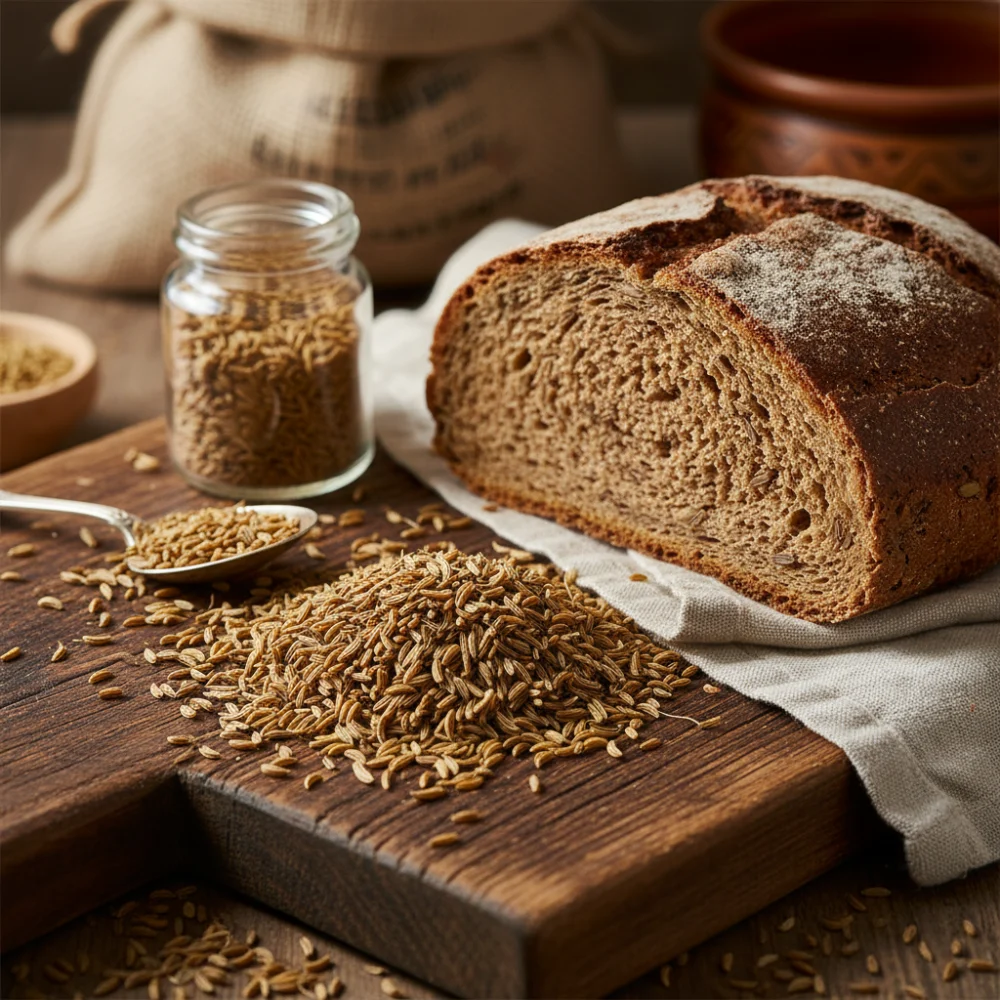
Caraway, known scientifically as Carum carvi, is a biennial plant in the Apiaceae family, making it a close relative of carrots, fennel, and cumin. While often mistakenly referred to as a seed, the part used in cooking is actually the dried fruit of the plant. Famous for giving rye bread its signature earthy and slightly sharp flavor, caraway has been a staple in European, Middle Eastern, and African cuisines for centuries. This guide will walk you through everything you need to know about this potent spice, from identifying it to mastering its use in your kitchen.
Prerequisites for Understanding Caraway
To fully appreciate and utilize caraway, you do not need complex equipment. However, having the following items will help you experiment with the spice:
- Whole caraway seeds: Preferred over ground powder for longevity and flavor retention.
- A mortar and pestle or spice grinder: To grind seeds fresh when needed.
- A skillet: For toasting the seeds to release essential oils.
- A jar of rye flour or cabbage: To test the classic flavor pairings.
Step 1: Identifying the Flavor Profile
Before cooking, it is essential to understand what caraway brings to a dish. Visually, the seeds are dark brown, curved, and tapered at the ends, looking somewhat like cumin but darker. Taste a raw seed to experience its complex profile. You will notice a pungent, bittersweet taste with hints of anise, fennel, and citrus. This distinct aromatic quality is due to essential oils like carvone and limonene. Recognizing this flavor helps you decide how much to use, as it can easily overpower milder ingredients.
Step 2: Toasting for Enhanced Aroma
To maximize the flavor of caraway, toasting is a crucial step. Place a dry skillet over medium heat and add your whole caraway seeds. Shake the pan frequently to prevent burning. After about two to three minutes, you will smell a nutty, fragrant aroma rising from the pan. Remove them from the heat immediately. Toasting unlocks the essential oils, making the seeds less bitter and more aromatic, which is perfect for bread doughs or sprinkling over roasted vegetables.
Step 3: Pairing Caraway with Foods
While synonymous with rye bread and soda bread, caraway is incredibly versatile. In this step, try incorporating the spice into savory dishes that contain fat or cabbage. It cuts through the richness of meats like pork belly, duck, and sausages. It is also the traditional seasoning for sauerkraut and coleslaw. For a simple application, add a teaspoon of toasted seeds to a cheese fondue or sprinkle them over roasted potatoes and carrots to elevate a basic side dish.
Step 4: Using Caraway for Digestion
Historically, caraway has been used as a digestive aid. To utilize this benefit, you can brew a simple caraway tea. Crush a teaspoon of seeds slightly to break the outer hull, then steep them in boiling water for ten minutes. Strain and drink after a heavy meal. The carminative properties of the seeds are believed to help reduce bloating and indigestion, which is one reason why they are frequently paired with heavy, fibrous foods like cabbage and rye.
Step 5: Proper Storage Techniques
Like all spices, caraway loses potency over time. To maintain freshness, buy whole seeds rather than pre-ground powder, as the volatile oils evaporate quickly once the seed is broken. Store the seeds in an airtight glass container in a cool, dark cupboard away from the stove. If stored correctly, whole caraway seeds can retain their flavor for up to three or four years, whereas ground caraway should be used within six months.
Conclusion
Caraway is far more than just a garnish for rye bread; it is a robust, warming spice that adds depth to a wide variety of savory dishes. By understanding its unique anise-like flavor profile and learning how to toast and pair it correctly, you can transform simple ingredients like cabbage, potatoes, and pork into culinary masterpieces. Whether you use it for its distinctive taste or its digestive benefits, caraway is a must-have in any well-stocked spice cabinet.

Related Posts