When you reach for a jar of cinnamon at your local supermarket, you are almost certainly holding Cassia bark. While often labeled simply as “cinnamon,” Cassia (Cinnamomum cassia) is distinct from “true” cinnamon (Ceylon). It is the robust, spicy, and reddish-brown bark that defines the flavor profile of classic American baked goods and savory Asian dishes. Understanding what Cassia bark is and how to use it correctly can elevate your cooking and help you make informed decisions about the spices you consume. This guide will walk you through the identification, characteristics, and best uses for this pantry staple.
Prerequisites for Understanding Cassia
To fully appreciate the nuances of Cassia bark, it helps to have the following items or concepts ready for comparison and usage:
- Whole Cassia Quills: To observe the texture and thickness.
- Ground Cinnamon: For taste testing.
- A Microplane or Grater: If using whole bark.
- Airtight Storage: To maintain freshness.
- Comparison Reference: Ideally, a sample of Ceylon cinnamon to note the differences.
Step 1: Identifying the Botanical Source
The first step in understanding Cassia is recognizing its origin. Unlike true cinnamon, which comes from Sri Lanka, Cassia is derived from the Cinnamomum cassia tree, primarily grown in China, Indonesia, and Vietnam. It is harvested by stripping the bark from the tree. Because the outer bark is not removed as delicately as it is with Ceylon cinnamon, Cassia is significantly harder, woodier, and possesses a rougher texture. Recognizing this botanical difference explains why Cassia is cheaper and more abundant than its delicate counterpart.
Step 2: Visual Inspection of the Quills
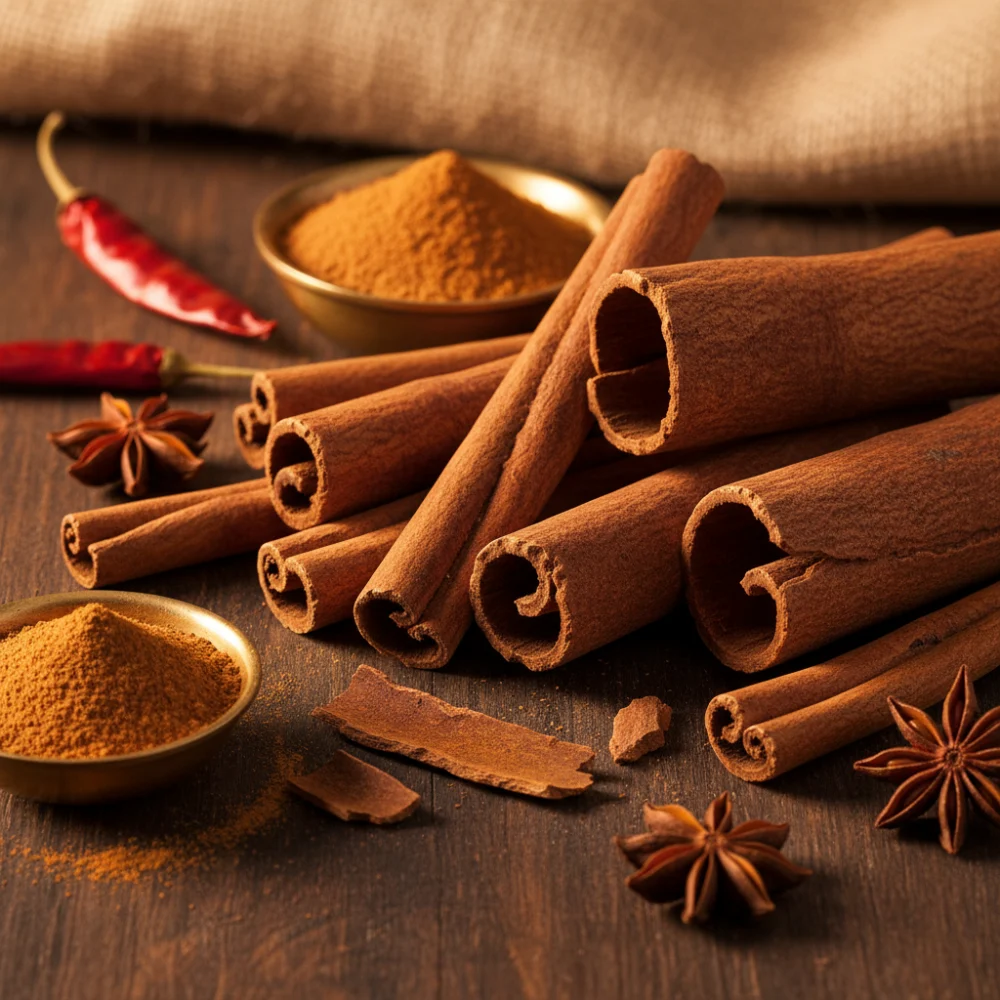
To identify Cassia bark visually, look at the quills (cinnamon sticks). Cassia bark is thick and consists of a single layer of bark rolled inward from both sides, resembling a scroll. It is dark reddish-brown in color and feels very hard to the touch; it is difficult to break by hand. In contrast, true cinnamon is tan, paper-thin, and filled with multiple layers like a cigar. If you are buying whole sticks, this visual check is the most reliable way to confirm you are purchasing Cassia.
Step 3: Analyzing the Flavor Profile
Cassia bark is known for its intense, pungent, and spicy flavor. It has a high content of cinnamaldehyde, the essential oil responsible for the cinnamon smell. When tasting Cassia, you will notice a sharp, hot kick followed by a sweet finish. This robustness makes it the preferred choice for heavy baking or industrial uses where the flavor needs to stand up against fat, flour, and sugar. If the cinnamon flavor is mild, floral, or subtle, it is likely not Cassia.
Step 4: Culinary Applications and Usage
Due to its strong flavor, Cassia bark requires specific handling in the kitchen. For savory dishes, such as Chinese braised pork or Indian curries, use whole sticks. The heat and liquid will slowly extract the flavor without overpowering the dish with powder. For baking, ground Cassia is excellent for cinnamon rolls, pies, and cookies. However, because the bark is so hard, it is difficult to grind at home without a high-powered spice grinder. It is often more convenient to purchase Cassia in pre-ground form for baking purposes.
Step 5: Understanding Coumarin and Safety
An important aspect of using Cassia bark is being aware of its coumarin content. Coumarin is a natural plant compound that acts as a blood thinner and can be toxic to the liver in large quantities. Cassia contains significantly higher levels of coumarin compared to Ceylon cinnamon. While occasional culinary use is generally considered safe for most people, those who consume large amounts of cinnamon daily for health supplements should be cautious and consider switching to Ceylon cinnamon or consulting a healthcare provider.
In conclusion, Cassia bark is the bold, aromatic spice that the world largely recognizes as cinnamon. Its hard texture, deep color, and spicy flavor profile make it an indispensable ingredient for hearty baked goods and rich savory stews. By understanding how to identify its physical traits and respecting its potent flavor profile, you can utilize Cassia bark to add warmth and depth to your cooking effectively.

Related Posts