
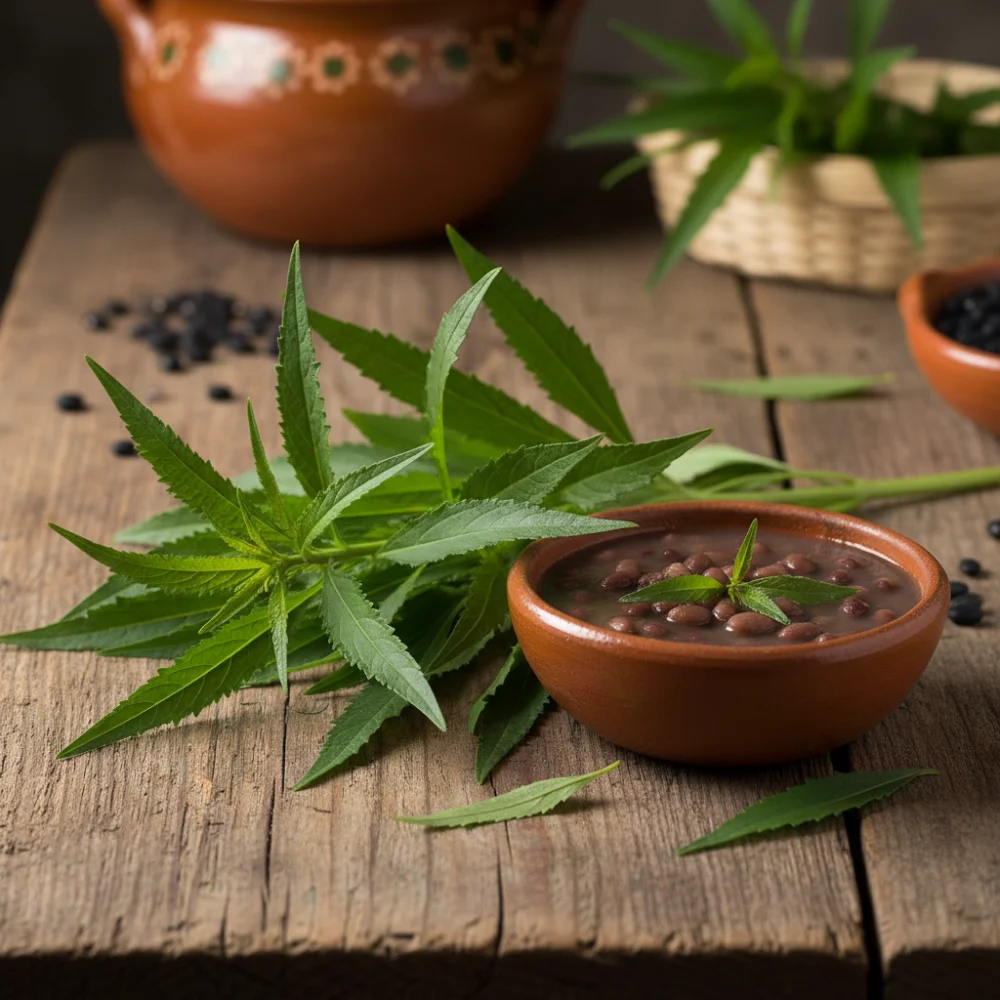
Epazote is a pungent herb native to Central America, South America, and southern Mexico. Known scientifically as Dysphania ambrosioides, it has been used for centuries in traditional Mexican cuisine and herbal medicine. Its name is derived from the Nahuatl words for skunk and sweat, reflecting its strong, distinct aroma that some describe as a mix of citrus, savory, and petroleum notes. While the scent may be polarizing, its culinary contribution is irreplaceable in authentic dishes like frijoles de la olla.
1. Identifying and Sourcing Epazote
Before cooking, you must identify the herb. Epazote features long, slender, jagged leaves with a bright green hue. It is often found growing wild, but for culinary purposes, you can purchase it fresh at Mexican grocery stores or dried in specialty spice shops. Fresh epazote is always preferred for its vibrant oils, though dried versions work well when fresh is unavailable. Ensure the leaves are not wilted or showing signs of yellowing if buying fresh.
2. Preparing the Herb for Cooking
Once you have your epazote, preparation is simple but necessary. Follow these steps:
- Rinse the sprigs under cold running water to remove any soil or grit.
- Pat them dry with a clean paper towel.
- For most bean recipes, you will use the whole stem with leaves attached, as this makes it easier to remove after the cooking process is complete.
If you are using it in quesadillas or tamales, you may choose to pull the leaves off and mince them finely.
3. Incorporating Epazote into Beans
The most famous use of this herb is in the preparation of black beans. To achieve the best results, add one or two large sprigs of epazote to the pot during the last 20 to 30 minutes of the simmering process. This timing ensures that the herb infuses the beans with its earthy flavor without becoming overly bitter from prolonged boiling. Beyond flavor, epazote is traditionally added to legumes because it contains compounds that help reduce the flatulence often associated with eating beans.
4. Balancing the Strong Flavor Profile
Because epazote has such a powerful profile, it is important to use it sparingly. Start with a small amount if you are unfamiliar with the taste. The flavor is often described as medicinal or resinous, which complements the creaminess of beans and the acidity of tomatillo-based salsas. If the flavor becomes too dominant, you can balance it with additional salt or a squeeze of lime juice at the end of the cooking process.
In conclusion, epazote is more than just a seasoning; it is a cultural staple of Mexican gastronomy. By following these steps to select, clean, and simmer the herb, you can transform a simple pot of beans into a complex, traditional masterpiece. Whether you use it for its digestive benefits or its unique aromatic qualities, epazote is a must-have in any serious Mexican kitchen.

Related Posts