
Introduction to Hungarian Paprika
Hungarian paprika is more than just a spice; it is the soul of Hungarian cuisine. Unlike the generic paprika found in many spice aisles, authentic Hungarian varieties offer a complex range of flavors, from sweet and delicate to pungent and spicy. This guide explores the historical significance and the meticulous grading system that defines this essential ingredient.
Requirements for Selecting Quality Paprika
- Authenticity: Look for products labeled as Product of Hungary to ensure traditional processing methods.
- Storage: Use airtight containers kept in a cool, dark place to preserve volatile oils and color.
- Freshness: Check the harvest or packaging date; paprika loses its potency after one year.
- Knowledge: Understanding the eight traditional grades of Hungarian paprika is essential for flavor profiling.
Step 1: Identifying the Sweet Grades
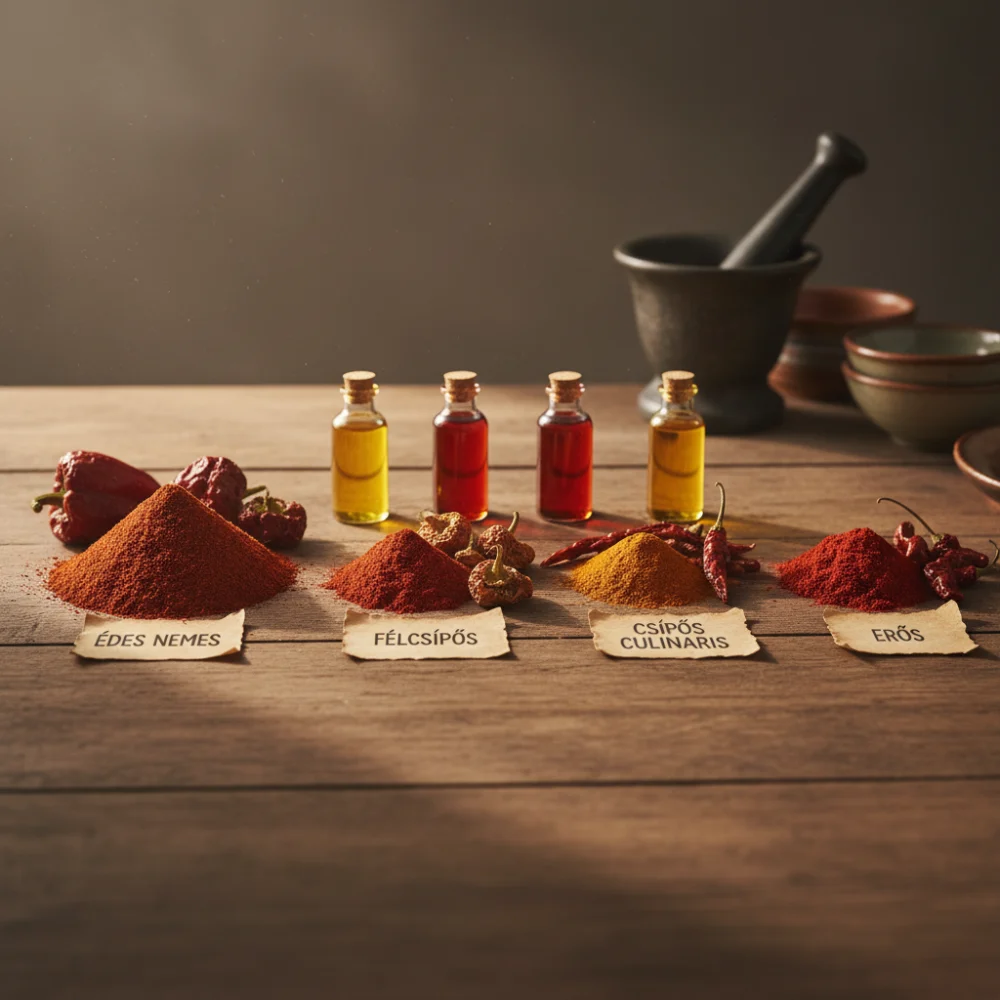
The most common type used in international cooking is Különleges (special quality) or Édesnemes (noble sweet). These grades are characterized by a bright red color and a mild, fruity flavor without any heat. They are perfect for dishes like Chicken Paprikash where color and aroma are prioritized over spiciness. These varieties are ground from the walls of the pepper, excluding the seeds and veins.
Step 2: Exploring Semi-Sweet and Delicate Varieties
Félédes (semi-sweet) provides a middle ground, offering a hint of spice mixed with sweetness. If you prefer a milder taste but with a rich texture, Csemege (delicate) is the ideal choice. These varieties are often used in stews and soups to provide depth without overwhelming the palate. They are often blended to achieve a specific balance of pungency.
Step 3: Navigating the Pungent and Hot Options
For those who enjoy a kick, Erős (strong) is the hottest grade available. It ranges from light brown to yellowish-orange and contains the highest concentration of capsaicin because it includes ground seeds and stalks. Rózsa (rose) is another grade that offers moderate heat and a strong aroma, often used in traditional Goulash to provide that signature warmth and slightly pale color.
Conclusion
Mastering the use of Hungarian paprika involves understanding the balance between color, flavor, and heat. By selecting the appropriate grade, you can transform a simple meal into an authentic Hungarian masterpiece. Always bloom your paprika in warm oil or fat rather than boiling water to release the full spectrum of its fat-soluble flavors.

Related Posts