Long pepper, scientifically known as Piper longum, is a fascinating spice that history almost forgot. Before black pepper became the king of spices in the Western world, long pepper was the preferred choice in ancient Greece and Rome for its heat and medicinal properties. Native to India and Indonesia, this spice belongs to the same family as black pepper but offers a significantly more complex flavor profile. While it fell into obscurity in European cuisines after the discovery of the Americas and the introduction of chili peppers, it remains a staple in Indian, African, and Southeast Asian cooking. This guide will walk you through what long pepper is, how it differs from standard peppercorns, and how to incorporate it into your culinary repertoire.
Prerequisites: What You Need to Explore Long Pepper
To truly appreciate this ancient ingredient, you will need to source the raw spice and have the right tools to process it. Unlike standard peppercorns, long pepper requires a bit more effort to prepare.
- Ingredients: Whole dried Long Pepper spikes (often found in Indian grocery stores labeled as ‘Pippali’ or specialty spice shops).
- Tools: A heavy stone mortar and pestle (recommended) or a high-powered electric spice grinder.
- Storage: An airtight glass jar to preserve its volatile oils.
Step 1: Identifying Long Pepper
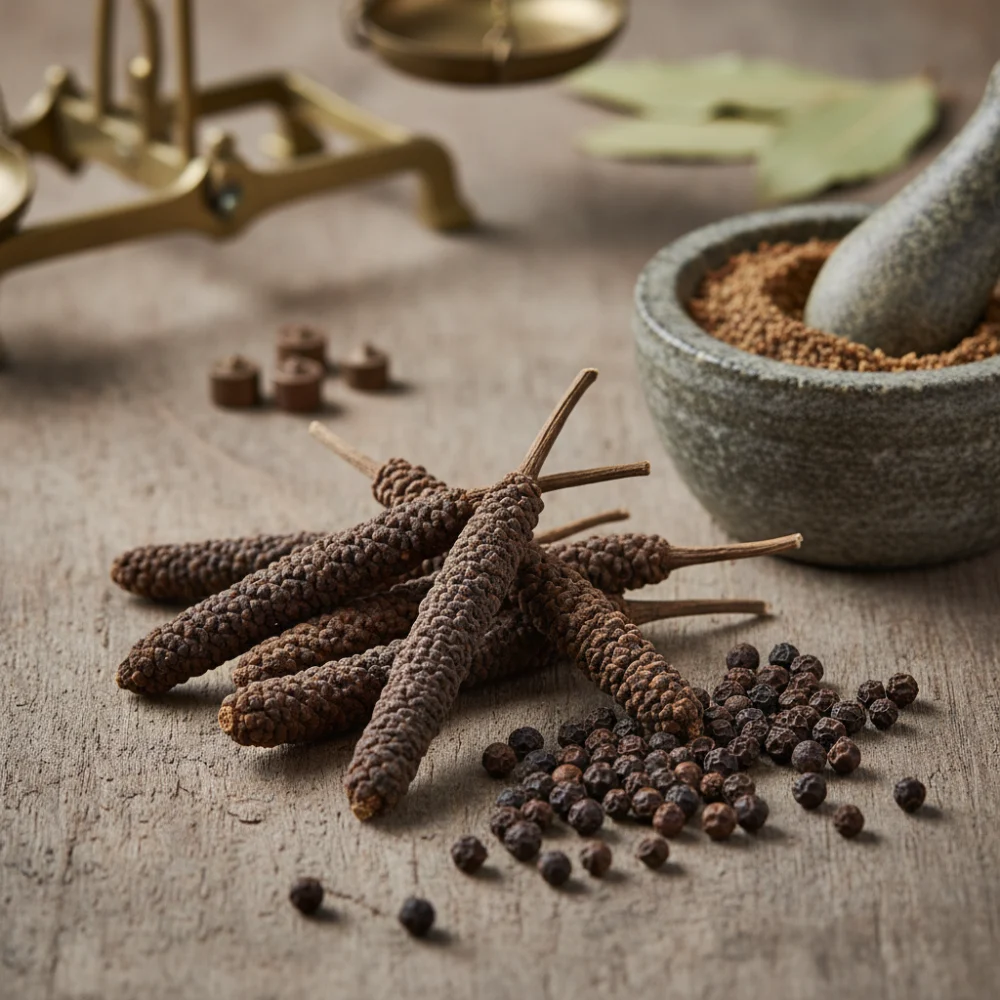
The first step in using long pepper is recognizing it. Unlike the round berries of black pepper, long pepper consists of many tiny fruits embedded in a flower spike. It resembles a small, slender pine cone or a catkin, typically measuring about an inch or two in length. The color usually ranges from earthy dark brown to black. When purchasing, look for spikes that are whole and aromatic; avoid those that look gray or dusty, as they may be old and lacking in flavor.
Step 2: Understanding the Flavor Profile
Before cooking, it is essential to understand what you are adding to your dish. Long pepper contains the same chemical compound as black pepper, piperine, which gives it a distinct pungency and heat. However, long pepper is often described as hotter than its round relative. Beyond the heat, it possesses a complex bouquet of sweet, musky, and earthy notes. You may detect hints of cardamom, nutmeg, cinnamon, and even ginger. This complexity makes it far more versatile than simple black pepper, acting as a bridge between savory heat and sweet baking spices.
Step 3: Grinding and Preparation
One of the reasons long pepper is less common today is that it does not fit into a standard pepper mill. The spikes are too large and hard. To prepare it for cooking, follow this method:
- Break the spikes into smaller pieces using your hands or the back of a knife.
- Place the pieces into a mortar and pestle.
- Pound firmly to crush the hard exterior, then grind in a circular motion until you achieve a fine powder.
- If using an electric grinder, break the spikes first to prevent jamming the blades.
Note: It is best to grind long pepper fresh right before use, as its complex floral aromas dissipate quickly once pulverized.
Step 4: Culinary Applications
Once you have your ground long pepper, you can use it to elevate various dishes. Because of its sweet and spicy duality, it works exceptionally well in heavy, rich stews and slow-cooked meats. In Indian cuisine, it is a key ingredient in certain spice blends for pickles and curries. It pairs beautifully with ingredients like lamb, beef, artichokes, and asparagus. Surprisingly, it is also a secret weapon in sweet dishes; try adding a pinch to poached pears, gingerbread, or mango compote to add a sophisticated, spicy depth that black pepper cannot replicate.
Step 5: Medicinal and Historical Uses
Beyond the kitchen, understanding long pepper involves acknowledging its role in traditional medicine. In Ayurveda, it is known as Pippali and is believed to benefit the respiratory system, aid digestion, and boost metabolism. Historically, it was mixed with honey to treat coughs and colds. While modern chefs prize it for flavor, knowing its background as a ‘rejuvenating’ spice adds a layer of appreciation when using it in restorative broths or teas.
In conclusion, long pepper is more than just a substitute for black pepper; it is a culinary upgrade with a rich history. By sourcing this unique spice and taking the time to grind it by hand, you unlock a flavor profile that is simultaneously spicy, sweet, and earthy. Whether you are looking to recreate an ancient Roman recipe or simply want to add a mysterious kick to your Saturday night stew, long pepper is a worthy addition to your spice cabinet.

Related Posts