
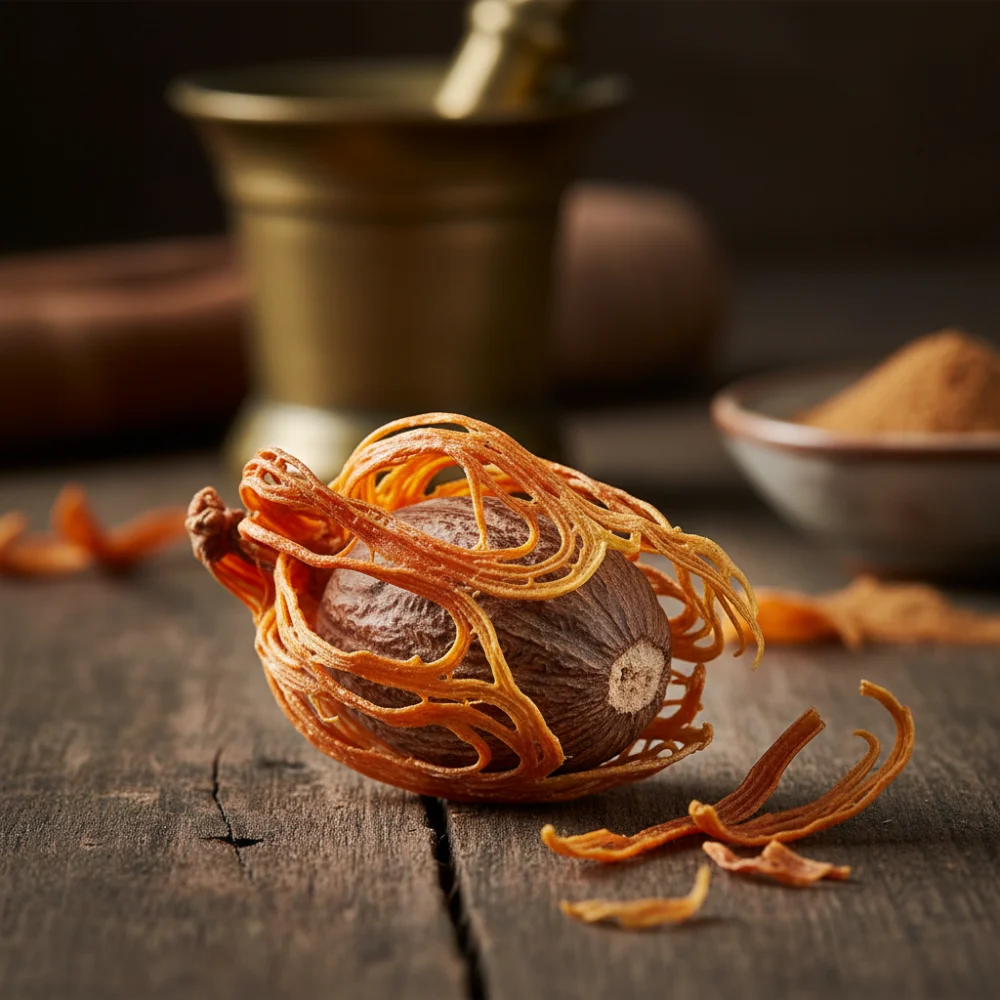
Mace is often the unsung hero of the spice cabinet, frequently overshadowed by its more famous sibling, nutmeg. However, these two spices share a unique bond; they are the only two spices derived from the same fruit. Grown on the Myristica fragrans tree, mace is the lacy, reddish-orange covering, technically known as an aril, that envelops the nutmeg seed. While they share a similar aromatic profile, mace offers a more delicate, slightly peppery, and sophisticated flavor that can elevate both sweet and savory dishes.
Understanding how to utilize mace requires knowing its forms, how to process it, and where it fits into a flavor profile. Whether you are baking a classic pound cake, seasoning sausage, or creating a cream sauce, mace adds a warm, golden hue and a complex taste. This guide will walk you through identifying, preparing, and cooking with this exquisite spice.
Requirements for Using Mace
To get the most out of mace spice, you will need a few basic kitchen tools and ingredients. Having the right equipment ensures you preserve the volatile oils that give mace its distinct flavor.
- Whole Mace Blades: Buying whole blades ensures freshness and potency compared to pre-ground versions.
- Spice Grinder or Mortar and Pestle: Essential for breaking down the tough blades into a fine powder.
- A Microplane (Optional): Useful if you need a very light dusting of spice.
- Airtight Glass Containers: For proper storage away from heat and light.
Step 1: Understanding the Botanical Origin
Before using mace, it is helpful to understand exactly what you are handling. The nutmeg fruit is a fleshy drupe, similar to an apricot. When the fruit ripens, it splits open to reveal a hard, black shell containing the nutmeg seed. Wrapped around this shell is a bright red, net-like webbing. This webbing is the mace. When harvested and dried, the red color transforms into a golden-orange or yellowish-brown hue. Recognizing this structure helps you appreciate that while nutmeg is the seed, mace is the protective layer, resulting in a lighter, less heavy flavor profile.
Step 2: Selecting Quality Mace
When shopping for mace, you will typically find it in two forms: ground powder or whole blades. For the best culinary experience, opt for whole blades. High-quality mace blades should look like pieces of dried, orange-yellow plastic or stiff leather. They should be brittle and possess a strong, warm aroma. Avoid mace that looks grey or dusty, as this indicates age and a loss of essential oils. If you must buy ground mace, purchase it in small quantities, as the flavor dissipates rapidly once the protective cell structures are broken.
Step 3: Preparing and Grinding Mace
If you have purchased whole blades, you will need to process them for most recipes. Unlike nutmeg, which is grated, mace blades are usually ground. To do this, place the blades in a dry skillet over low heat for one to two minutes. This light toasting revitalizes the oils and makes the blades more brittle. Allow them to cool completely, then place them in a spice grinder or a heavy mortar and pestle. Grind until you achieve a fine consistency. If using a mortar, you may need to sift the powder to remove any larger, fibrous chunks.
Step 4: Differentiating Flavor Profiles
Although mace and nutmeg are interchangeable in a pinch, they behave differently in food. Nutmeg is sweeter, heavier, and more pungent. Mace is lighter, with notes of citrus, cinnamon, and pepper. Use mace when you want the warmth of nutmeg without the overwhelming earthiness. It is particularly effective in light-colored dishes where you want to avoid the dark specks of nutmeg, as mace imparts a lovely saffron-like golden tint.
Step 5: Culinary Applications
Mace is incredibly versatile. In sweet applications, it is a staple in doughnuts, cakes, and fruit crisps. It pairs exceptionally well with chocolate and cherry flavors. In the savory realm, mace is the secret ingredient in many French béchamel sauces, Swedish meatballs, and spice blends like Garam Masala or Ras el Hanout. It is also a traditional preservative and flavoring for charcuterie, pâtés, and sausages. Start with a small pinch, taste, and adjust, as the flavor can develop as it cooks.
Conclusion
Mace is more than just the outer shell of nutmeg; it is a sophisticated spice that bridges the gap between sweet and savory cooking. By selecting whole blades and grinding them fresh, you unlock a complex aromatic profile that adds warmth and color to your dishes. Whether you are refining a white sauce or baking a batch of spiced cookies, mastering the use of mace will add a layer of professional depth to your kitchen repertoire.

Related Posts