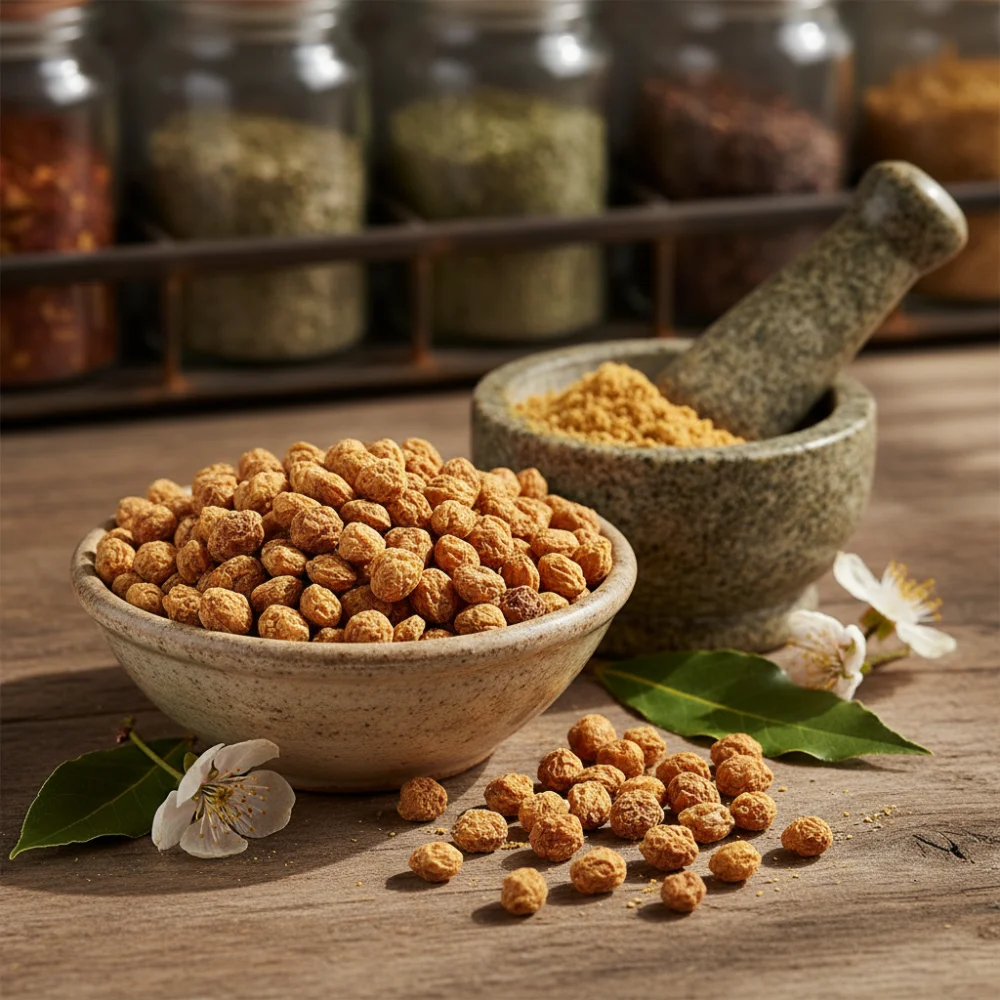
Mahlab, often spelled Mahlepi or Mahlapi, is one of the most distinct and aromatic spices found in the culinary traditions of the Mediterranean and the Middle East. Extracted from the soft kernel found inside the pit of the St. Lucie cherry (Prunus mahaleb), this spice offers a complex flavor profile that combines the essence of bitter almonds, cherries, and rosewater. While it is a staple in Greece, Turkey, Lebanon, and Syria, it remains a hidden gem for many Western bakers.
Understanding exactly what Mahlab is and how to utilize it can transform your baking repertoire. It is the secret ingredient that gives Easter breads like Greek Tsoureki and Maamoul cookies their elusive, floral aroma. Because it is potent and volatile, knowing how to handle the seed from purchase to dough is essential for achieving the perfect flavor balance without bitterness.
Requirements for Using Mahlab
To successfully incorporate Mahlab into your culinary creations, you will need the following items and ingredients:
- Whole Mahlab Kernels: It is highly recommended to buy the seeds whole rather than pre-ground to preserve the volatile oils.
- Mortar and Pestle or Spice Grinder: Essential for pulverizing the hard kernels into a fine powder.
- Sugar: Often used during grinding to prevent the oily seeds from clumping.
- Airtight Container: Necessary for storing any unused spice.
- A Sweet Dough Recipe: Mahlab shines best in enriched doughs containing butter, milk, and eggs.
Step 1: Identifying and Purchasing Quality Mahlab
The first step to using Mahlab is sourcing fresh product. Look for kernels that are small, teardrop-shaped, and beige or cream-colored. They should look somewhat like tiny almonds or pine nuts. Avoid buying pre-ground Mahlab if possible, as the oils oxidize rapidly, causing the spice to lose its floral notes and become rancid. You can typically find high-quality whole seeds in Middle Eastern markets, Greek specialty stores, or online spice merchants.
Step 2: Grinding the Seeds
Because Mahlab is a seed rich in oils, it must be ground carefully. If you use an electric spice grinder, pulse the seeds in short bursts to avoid heating them up, which can alter the flavor. A traditional mortar and pestle is often the best tool for this job. To ensure a fine, fluffy powder, add a teaspoon of granulated sugar to the mortar before grinding. The sugar acts as an abrasive agent and absorbs the oils, preventing the Mahlab from turning into a sticky paste.
Step 3: Measuring the Correct Dosage
Mahlab is potent. A little goes a very long way. For a standard loaf of sweet bread or a batch of cookies, you typically only need between one-half to one full teaspoon of ground spice. Using too much can result in an overpowering, medicinal bitterness that ruins the final product. Start with a smaller amount if you are new to the flavor, allowing the subtle notes of cherry and almond to enhance rather than dominate the dish.
Step 4: Pairing with Complementary Flavors
To maximize the impact of Mahlab, pair it with ingredients that highlight its natural profile. It works exceptionally well with dairy-rich ingredients like milk, butter, and cream. Additionally, it harmonizes with other baking spices such as cardamom, anise, and mastic (a resinous spice often used in conjunction with Mahlab). Dried fruits like dates and apricots, as well as nuts like walnuts and pistachios, also create a perfect flavor synergy.
Step 5: Storing for Longevity
Once you have opened a package of Mahlab or ground a batch, proper storage is critical. The high oil content makes the seeds susceptible to rancidity. Store whole kernels in an airtight jar in a cool, dark cupboard, or preferably in the freezer, where they can last for up to a year. If you have leftover ground powder, it must be used within a few weeks for optimal flavor; otherwise, the aromatic qualities will fade significantly.
In conclusion, Mahlab is a sophisticated spice that bridges the gap between floral and nutty flavors. By selecting whole seeds, grinding them fresh with sugar, and pairing them with rich, sweet ingredients, you can unlock the authentic taste of Mediterranean baking. Whether you are making holiday breads or experimenting with new cookie recipes, Mahlab adds a layer of depth and mystery that elevates simple doughs into artisanal masterpieces.

Related Posts