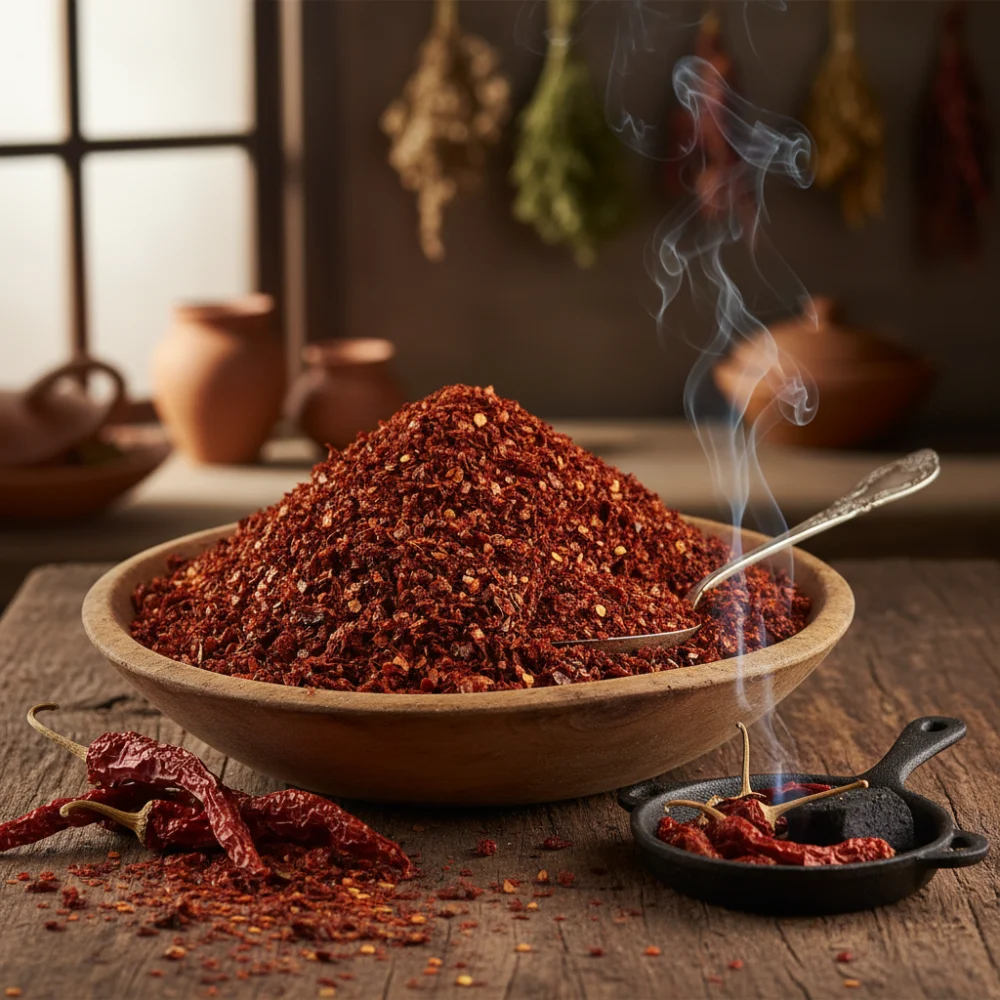
If you have ever explored the depths of Anatolian cuisine, you have likely encountered a deep crimson spice that offers more than just heat. Maras Biber (pronounced Mah-rahsh Bee-ber) is a unique chili pepper originating from the city of Kahramanmaras in southeastern Turkey. Unlike standard dried red pepper flakes which can be brittle and dusty, Maras Biber is renowned for its moist texture, oily sheen, and a complex flavor profile that balances acidity, fruitiness, and a slow-building heat. It is often compared to Aleppo pepper (Halaby pepper) but is generally considered slightly hotter and more robust.
This guide will walk you through understanding what makes this pepper special, how it is produced, and the specific steps to utilizing it effectively in your culinary repertoire. Whether you are seasoning a lamb kebab or simply elevating a morning egg dish, understanding Maras Biber is the key to unlocking authentic Turkish flavors.
Requirements for Using Maras Biber
To fully appreciate this ingredient, you do not need complex equipment, but you do need the right mindset and pairings. Here is what you need to get started:
- Authentic Maras Biber: Look for peppers labeled specifically as ‘Maras’ or ‘Kahramanmaras’ pepper. High-quality versions will appear slightly oily and clump together due to the curing process.
- Fat Source: Olive oil, butter, or yogurt are essential carriers for the pepper’s fat-soluble flavor compounds.
- Simple Ingredients: The pepper shines best on neutral bases like eggs, hummus, grilled meats, or roasted vegetables.
Step 1: Understanding the Production Process
To truly understand what Maras Biber is, you must understand how it is made, as the process dictates the flavor. Unlike peppers that are oven-dried rapidly, Maras peppers are sun-dried. During this process, they are laid out on large tarps under the Turkish sun. However, they are not dried until bone-dry. They are removed from the sun while they still retain some moisture. The peppers are then de-stemmed, seeded, and ground into flakes. Crucially, salt and sometimes a small amount of oil are mixed in during the curing process. This technique preserves the natural essential oils of the pepper, resulting in that signature wet, moist texture that melts on the tongue rather than remaining crunchy.
Step 2: Identifying the Flavor Profile
Before cooking, you should taste the spice raw to understand its nuance. Place a small pinch on your tongue. You will notice three distinct stages of flavor:
- The Attack: Initially, you will not feel intense heat. Instead, you will taste a rich, raisin-like sweetness combined with a subtle acidity similar to sun-dried tomatoes.
- The Body: As the oils coat your tongue, an earthy, smoky aroma develops. This is not a smoke flavor derived from fire, but rather an oxidization of the pepper flesh under the sun.
- The Finish: Finally, the heat arrives. It is a slow, building burn that warms the back of the throat rather than stinging the lips instantly. It is generally rated moderate on the Scoville scale, making it accessible for most palates.
Step 3: Culinary Applications and Pairing
Now that you understand the flavor, the next step is application. Maras Biber is versatile and serves as both a cooking spice and a finishing condiment.
- As a Finishing Spice: This is the most traditional use. Sprinkle it generously over hummus, labneh, or babaganoush just before serving. The moisture in the pepper allows it to bleed slightly into the oils of the dip, creating a beautiful visual appeal.
- In Hot Fat: Bloom the pepper in warm melted butter or olive oil for 30 seconds to release its aroma. Pour this infused oil over poached eggs (Turkish Cibir), lentil soup, or manti (dumplings).
- Meat Marinades: Because of its acidity, it cuts through the richness of fatty meats like lamb. Rub it onto kebabs or mix it into kofte (meatball) mixtures before grilling.
Step 4: Proper Storage Techniques
Because Maras Biber contains moisture and oil, it is more perishable than standard dried spices. If left in a standard spice jar in a warm cabinet, it can dry out, lose its vibrant color, or even go rancid.
- Air-Tight Containers: Always seal the bag or jar tightly to prevent the essential oils from evaporating.
- Cool and Dark: Keep it away from direct sunlight. For long-term storage, many chefs recommend keeping Maras Biber in the refrigerator. The cold environment preserves the moisture content and keeps the color a bright, deep crimson.
In conclusion, Maras Biber is far more than just a source of heat; it is a flavor enhancer that adds depth, acidity, and umami to dishes. By understanding its sun-dried origins and respecting its moist texture, you can use it to transform simple ingredients into restaurant-quality meals. Treat it not just as a spice, but as a finishing condiment that deserves a prime spot in your refrigerator or pantry.

Related Posts