
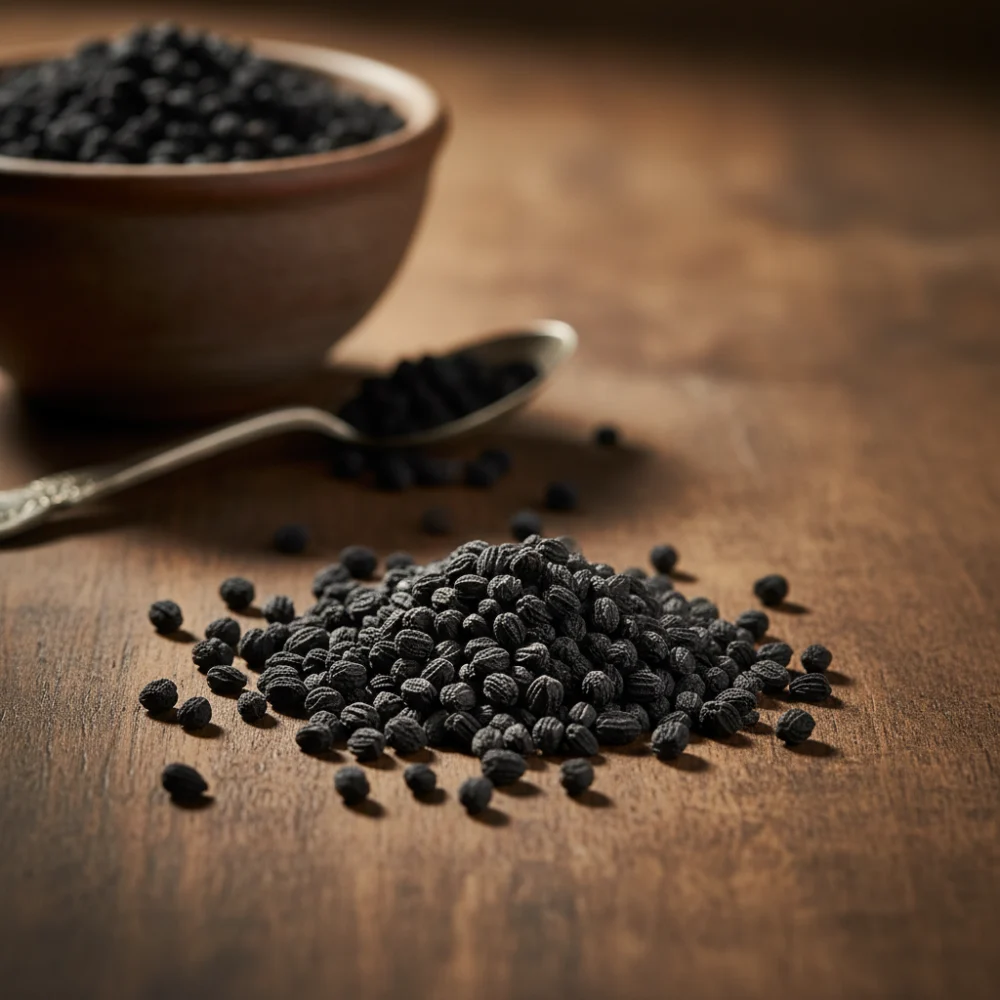
Nigella seeds, scientifically known as Nigella sativa, are small, angular black seeds that have been used for centuries in culinary and medicinal traditions. Often confused with onion seeds, black sesame, or true black cumin (Bunium bulbocastanum), Nigella seeds possess a distinct flavor profile that combines notes of toasted onion, oregano, and cracked black pepper. Commonly found in Indian, Middle Eastern, and North African cuisines, these seeds are frequently referred to as Kalonji or black caraway. Exploring Nigella seeds involves understanding their unique properties, learning how to unlock their flavor, and applying them to various dishes to elevate your cooking.
Prerequisites for Exploring Nigella Seeds
Before you begin experimenting with this versatile spice, ensure you have the following items and ingredients ready:
- Raw Nigella Seeds: Purchase whole seeds rather than powder to retain flavor and essential oils.
- Skillet or Pan: For dry roasting the seeds to release their aroma.
- Mortar and Pestle: Optional, but useful for grinding seeds to release intense flavors.
- Airtight Container: For proper storage to maintain freshness.
- Root Vegetables or Bread Dough: Excellent mediums for testing the flavor of the seeds.
Step 1: Identifying Authentic Nigella Seeds
The first step in using Nigella seeds is ensuring you have the correct spice. Because of the confusing nomenclature, it is easy to buy the wrong product. Look for seeds that are matte black (not shiny like sesame), roughly triangular or tear-drop shaped, and have a rough texture. They should have very little scent when raw. To verify, crush a few seeds between your fingers or teeth; you should immediately smell a pungent, peppery, and herbaceous aroma reminiscent of oregano and onion. If the seed tastes purely like cumin or celery, you may have purchased a different variety.
Step 2: Activating the Flavor Through Toasting
To maximize the culinary potential of Nigella seeds, you must activate their volatile oils. Raw seeds can be slightly bitter and lack depth. Place a heavy-bottomed skillet over medium-low heat. Add the seeds to the dry pan—do not add oil yet. Toast them gently for about one to two minutes, shaking the pan frequently to prevent burning. You will know they are ready when they release a nutty, savory aroma. Remove them from the heat immediately to stop the cooking process. This step is crucial for mellowing the bitterness and enhancing the nutty undertones.
Step 3: incorporating Nigella into Savory Dishes
Once toasted, the seeds are ready for culinary application. One of the most traditional ways to use them is in bread making. Knead a teaspoon of toasted seeds into naan, pita, or sourdough dough before baking for a speckled look and a burst of flavor. Alternatively, Nigella seeds pair exceptionally well with root vegetables. Toss potatoes, carrots, or squash with olive oil, salt, and a generous pinch of Nigella seeds before roasting. The seeds add a crunch and a savory complexity that cuts through the sweetness of the vegetables. They are also a key ingredient in the Bengali five-spice mixture known as Panch Phoron.
Step 4: Using Nigella Seeds for Wellness Teas
Beyond food, Nigella seeds are revered for their potential health benefits, largely attributed to a compound called thymoquinone. To make a simple soothing tea, lightly crush a teaspoon of seeds using a mortar and pestle. Add the crushed seeds to a cup of boiling water and let it steep for 5 to 10 minutes. You can strain the seeds or drink them with the water. Many enthusiasts add honey and lemon to balance the slightly medicinal, peppery taste of the tea. This method is often used to support digestion and respiratory health.
Conclusion
Nigella seeds are a powerhouse ingredient that bridges the gap between a savory spice and a wellness supplement. By learning to identify the correct seed, toasting it to release its oils, and incorporating it into breads, curries, or teas, you can unlock a flavor profile that has been cherished since ancient times. Whether you call it Kalonji, black cumin, or simply Nigella, adding this spice to your pantry opens up a new dimension of culinary exploration.

Related Posts