When browsing the spice aisle, you may encounter several varieties of cinnamon, but none command attention quite like Saigon cinnamon. Also known as Vietnamese cinnamon (Cinnamomum loureiroi), this variety is renowned for having the highest concentration of essential oils among all cinnamon species. Unlike the delicate Ceylon cinnamon or the standard Cassia, Saigon cinnamon delivers a powerful punch of heat and sweetness that can transform a dish. This guide will walk you through exactly what defines this spice, how it differs from others, and how to utilize its robust profile in your kitchen.
Requirements for Understanding Saigon Cinnamon
To fully appreciate the nuances of this spice, you do not need complex equipment, but having the following items will help you compare and utilize it effectively:
- Authentic Saigon Cinnamon: Ensure the label specifies Vietnamese or Saigon origin.
- Comparison Spices: Having Ceylon or generic Cassia on hand helps in distinguishing the aroma.
- A Microplane or Grater: If buying whole quills, this is essential for releasing fresh oils.
- Airtight Storage: Due to its high volatile oil content, proper storage is critical.
Step 1: Identifying the Origin and Appearance
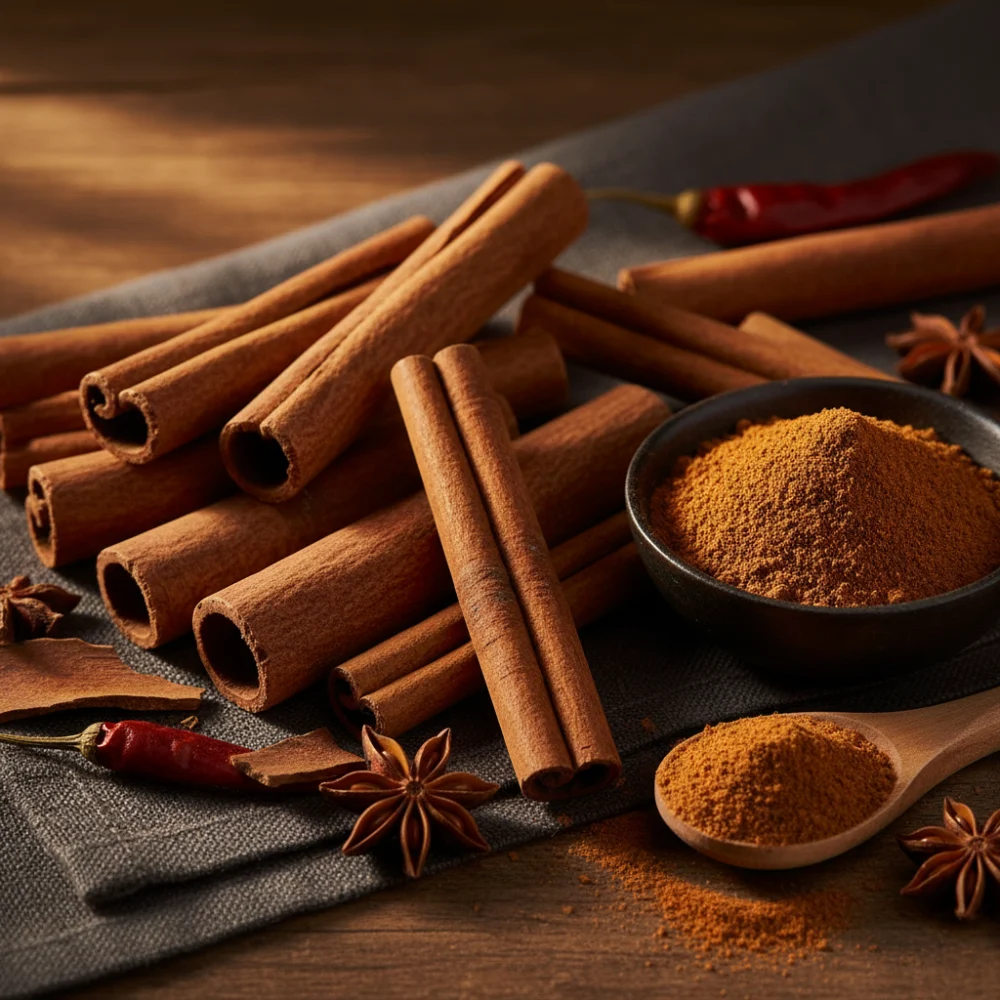
The first step in understanding Saigon cinnamon is recognizing its physical characteristics and source. This spice is harvested primarily in the central highlands of Vietnam. Unlike the smooth, thin layers of Ceylon cinnamon, Saigon cinnamon bark is distinctively thick and rugged. When you look at a quill (stick) of Saigon cinnamon, you will notice it usually curls inward into a single hollow tube, rather than the multiple tight rolls seen in other varieties. The color is often a darker, reddish-brown, indicating a high maturity level of the bark which correlates to a higher oil content.
Step 2: Analyzing the Flavor Profile and Cinnamaldehyde Content
What makes Saigon cinnamon the "strongest" profile? It comes down to chemistry. This variety contains the highest levels of cinnamaldehyde, the organic compound responsible for cinnamon’s flavor and aroma. While standard supermarket cinnamon might contain 1% to 2% essential oil, Saigon cinnamon often boasts 5% to 6%. When you taste it, you will experience an immediate, intense sweetness followed by a spicy, peppery kick that lingers on the tongue. This dual sensation means it can often replace sugar in certain recipes because the perceived sweetness is so potent.
Step 3: Adjusting Culinary Ratios
Because of its potency, you cannot simply swap Saigon cinnamon 1:1 with generic cinnamon without altering the balance of your dish. When using this variety, follow these guidelines:
- Reduce the Quantity: Start by using half the amount called for in a recipe. If a cookie recipe calls for one teaspoon of cinnamon, use half a teaspoon of Saigon cinnamon to avoid overpowering other flavors.
- Pairing: It pairs exceptionally well with strong flavors like chocolate, coffee, and savory braised meats. It is a staple in authentic Vietnamese Pho broth.
- Baking: It shines in recipes where cinnamon is the star, such as cinnamon rolls or snickerdoodles, providing a bakery-quality depth of flavor.
Step 4: Understanding Safety and Coumarin Levels
An important step in adding Saigon cinnamon to your diet is understanding its safety profile. Like other Cassia varieties, Saigon cinnamon contains coumarin, a natural compound that can be toxic to the liver if consumed in large quantities over a long period. While it is safe for culinary use in typical amounts, it is not recommended for daily high-dose supplementation. If you plan to consume large amounts of cinnamon daily for health reasons, Ceylon cinnamon is generally the safer alternative, whereas Saigon is the superior choice for occasional, high-impact culinary enjoyment.
Conclusion
Saigon cinnamon stands out as the heavyweight champion of the spice world, offering an unparalleled depth of flavor, heat, and natural sweetness. By identifying its rugged appearance, respecting its high cinnamaldehyde content, and adjusting your recipes to account for its potency, you can elevate your cooking and baking to new heights. Whether you are simmering a pot of Pho or baking holiday treats, understanding the unique profile of Vietnamese cinnamon ensures you get the most out of this premium ingredient.

Related Posts