
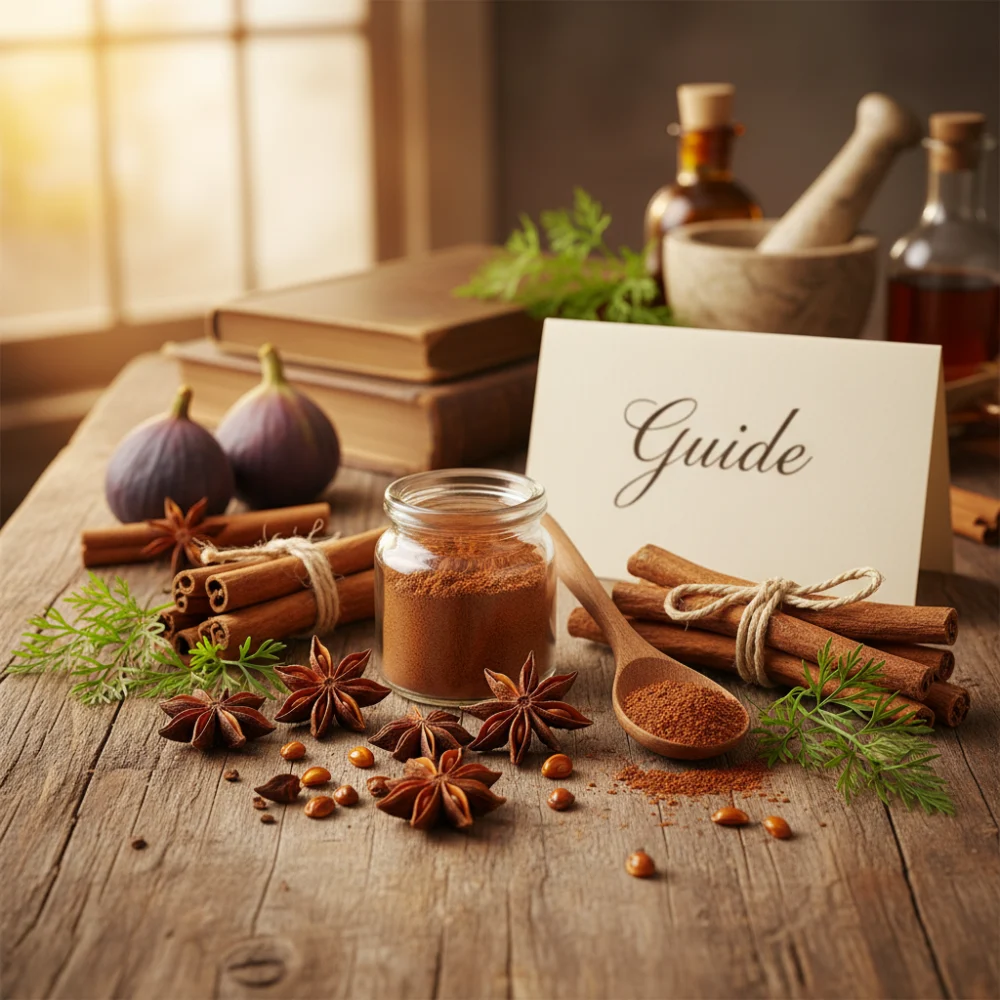
Star anise is arguably one of the most beautiful and aromatic spices found in a well-stocked pantry. Named for its characteristic eight-pointed star shape, this spice is native to Northeast Vietnam and Southwest China. It is harvested from the fruit of the Illicium verum, an evergreen tree, and dried until hard. While it is famous for its strong licorice flavor, which comes from the chemical compound anethole, it offers a complexity that bridges savory and sweet dishes. From defining the broth of a traditional Vietnamese Pho to acting as a key ingredient in Chinese Five-Spice powder, star anise is a powerhouse ingredient. This guide will walk you through exactly what this spice is and how to use it effectively in your kitchen.
Step 1: Identifying Authentic Star Anise
To truly understand this spice, you must first learn to identify it correctly. Authentic star anise is a rust-colored, star-shaped pod that usually has eight points, though this can vary slightly. Each point contains a small, shiny, polished seed. The pod itself is woody and hard. Safety Warning: It is crucial to distinguish Chinese star anise (edible) from Japanese star anise (Illicium anisatum), which is highly toxic and used only for incense. Always purchase your spices from reputable food-grade retailers to ensure you are getting the edible variety.
Step 2: Distinguishing from Anise Seed
A common point of confusion for home cooks is the difference between star anise and anise seed (aniseed). While they share a similar name and the distinct licorice flavor profile due to anethole, they are botanically unrelated. Star anise comes from a tree, whereas anise seed comes from a flowering plant in the parsley family. In terms of usage, star anise is significantly more potent, pungent, and bitter than the milder anise seed. As a general rule, if a recipe calls for anise seed, you cannot simply swap it 1:1 with star anise; use star anise sparingly to avoid overpowering your dish.
Step 3: Cooking with Whole Stars
Using the whole pod is the most common method for infusing flavor into liquids. Because the pod is fibrous and inedible, it is meant to be added during the cooking process and removed before serving. To use whole stars effectively, drop them into simmering broths, soups, or stews. They pair exceptionally well with fatty meats like duck and pork, as the spice cuts through richness. You can also use whole stars to infuse flavor into mulled wine, cider, or tea. For a deeper flavor, consider lightly toasting the whole stars in a dry pan for a minute until fragrant before adding them to your liquid.
Step 4: Utilizing Ground Star Anise
Ground star anise is a potent powder made by grinding the entire pod, including the seeds. This form is intensely flavorful and should be used with caution. It is a primary component of Chinese Five-Spice powder and arguably the most dominant flavor in the blend. You can use the ground form in baking recipes, such as gingerbread, cookies, or fruit pies, to add a warm, spicy depth. It is also excellent in dry rubs for roasted meats. Because the flavor concentrates when ground, start with a pinch and taste as you go.
Step 5: Storing for Freshness
Like all spices, star anise loses potency over time, but proper storage can extend its shelf life significantly. Store whole stars in an airtight container in a cool, dark place away from direct sunlight and heat. Whole stars can retain their flavor for up to two years. Ground star anise loses its volatile oils much faster and generally begins to lose character after six months. If you do not use the spice often, it is better to buy whole stars and grind them yourself using a spice grinder or mortar and pestle immediately before use.
In conclusion, star anise is a versatile and essential spice for anyone looking to explore Asian cuisine or add a sophisticated layer of flavor to Western dishes. Whether you are simmering a comforting pot of beef stew, baking spiced cookies, or creating a homemade curry blend, understanding how to select and manipulate this licorice-flavored gem will elevate your cooking. By following these steps for identification, usage, and storage, you can ensure that you always get the best results from this unique ingredient.

Related Posts