Introduction to the Mysterious Tonka Bean
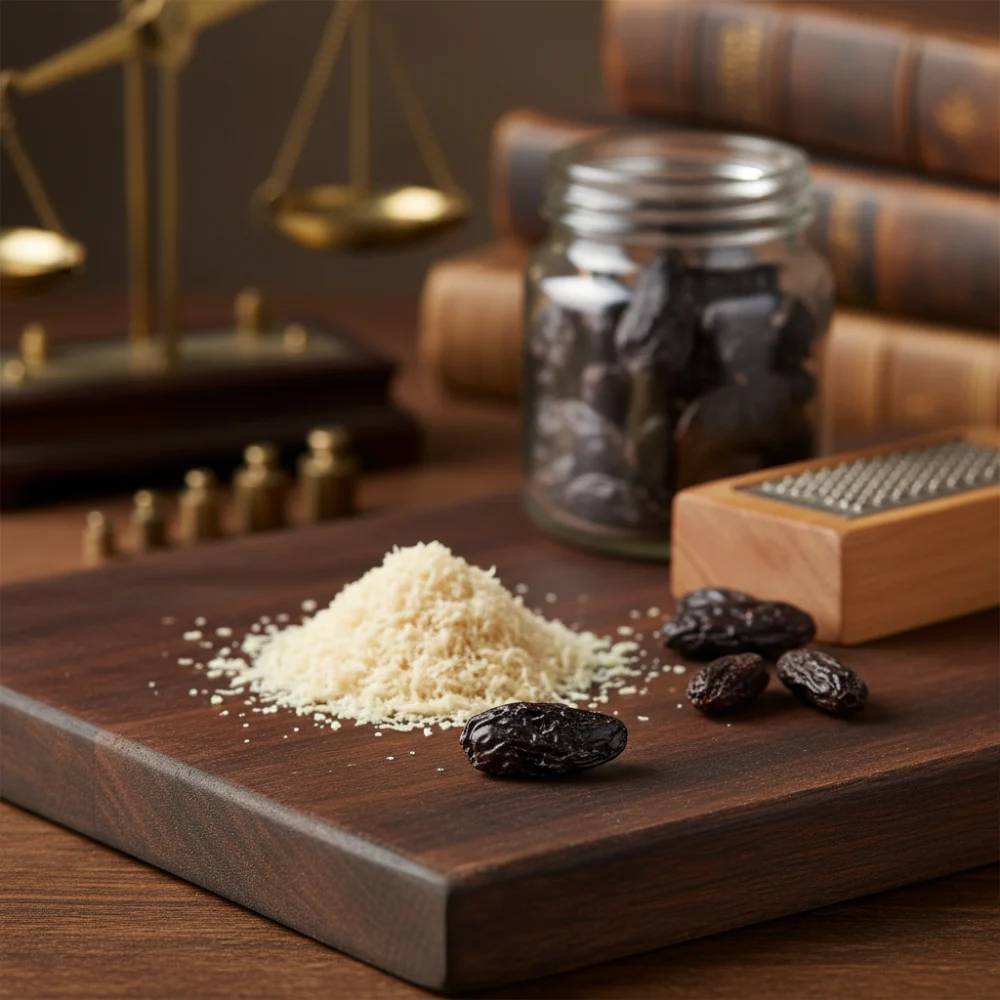
The tonka bean is the seed of the Dipteryx odorata tree, native to Central and South America. Often described as a culinary luxury, it possesses a complex aroma that blends notes of vanilla, almond, cinnamon, and freshly mown hay. Despite its popularity among high-end pastry chefs in Europe, it carries a controversial reputation due to its legal status in certain countries, most notably the United States. This guide explores the nature of this spice, why it is restricted, and how it is used in the culinary world.
Essential Requirements for Exploring Tonka Beans
To properly understand and potentially use this ingredient in a culinary context, you will need several key items and pieces of information:
- Whole Tonka Beans: These are typically sourced from specialty spice importers or online retailers.
- Microplane or Fine Grater: Necessary for shaving the hard bean into a fine powder.
- Infusion Medium: Liquids such as milk, heavy cream, or alcohol work best to extract the oils.
- Regulatory Knowledge: An understanding of the FDA or local food safety guidelines regarding coumarin content.
Step 1: Understanding the Legal Controversy
The primary reason the tonka bean is banned for food use in the United States is its high concentration of coumarin. Coumarin is a chemical compound that, in extremely high doses, can be toxic to the liver. While it occurs naturally in many plants like cassia cinnamon, the concentration in tonka beans led the FDA to ban them as a food additive in 1954. To explore this spice, one must first recognize that while it is used in home kitchens and high-end restaurants globally, commercial sale for consumption is restricted in specific jurisdictions.
Step 2: Identifying the Unique Flavor Profile
To use the tonka bean effectively, you must understand its sensory impact. When grated, the bean releases a potent fragrance that fills a room. The taste is multi-layered: it begins with a creamy vanilla sweetness, followed by the nuttiness of toasted almonds, and finishes with a spicy, herbaceous note. This complexity makes it a favorite for desserts like panna cotta, creme brulee, and chocolate ganache. Recognizing these notes allows you to pair the spice with complementary ingredients like dark chocolate, coffee, or stone fruits.
Step 3: Mastering the Infusion Technique
Because the tonka bean is very hard, it cannot be eaten whole. The best way to utilize its flavor is through infusion. You should use a microplane to grate a very small amount—usually less than half a bean per recipe—directly into your liquid base. Heat the liquid gently to allow the essential oils to release. A little goes a long way; the flavor is far more intense than traditional vanilla extract, so it is important to start with a small amount and taste as you go.
Step 4: Practicing Safety and Moderation
Safety is paramount when dealing with ingredients containing coumarin. Scientific experts suggest that a person would need to consume an unrealistically large number of beans to reach toxic levels. However, moderation remains the key. In culinary applications, a single bean is often enough to flavor several liters of cream or multiple batches of cookies. Always store the beans in a cool, dark place and use them sparingly to ensure a balanced and safe culinary experience that highlights the bean’s aromatic qualities without overexposure.
Conclusion: The Future of the Banned Spice
The tonka bean remains a fascinating paradox in the culinary world. While it is technically restricted in some regions, its unparalleled flavor continues to inspire chefs and perfumers alike. By understanding its history, legal status, and proper usage, you can appreciate why this small, wrinkled bean is considered one of the most exotic and sought-after spices on the planet. Whether used in a professional kitchen or a home experiment, the tonka bean offers a depth of flavor that few other ingredients can match.

Related Posts