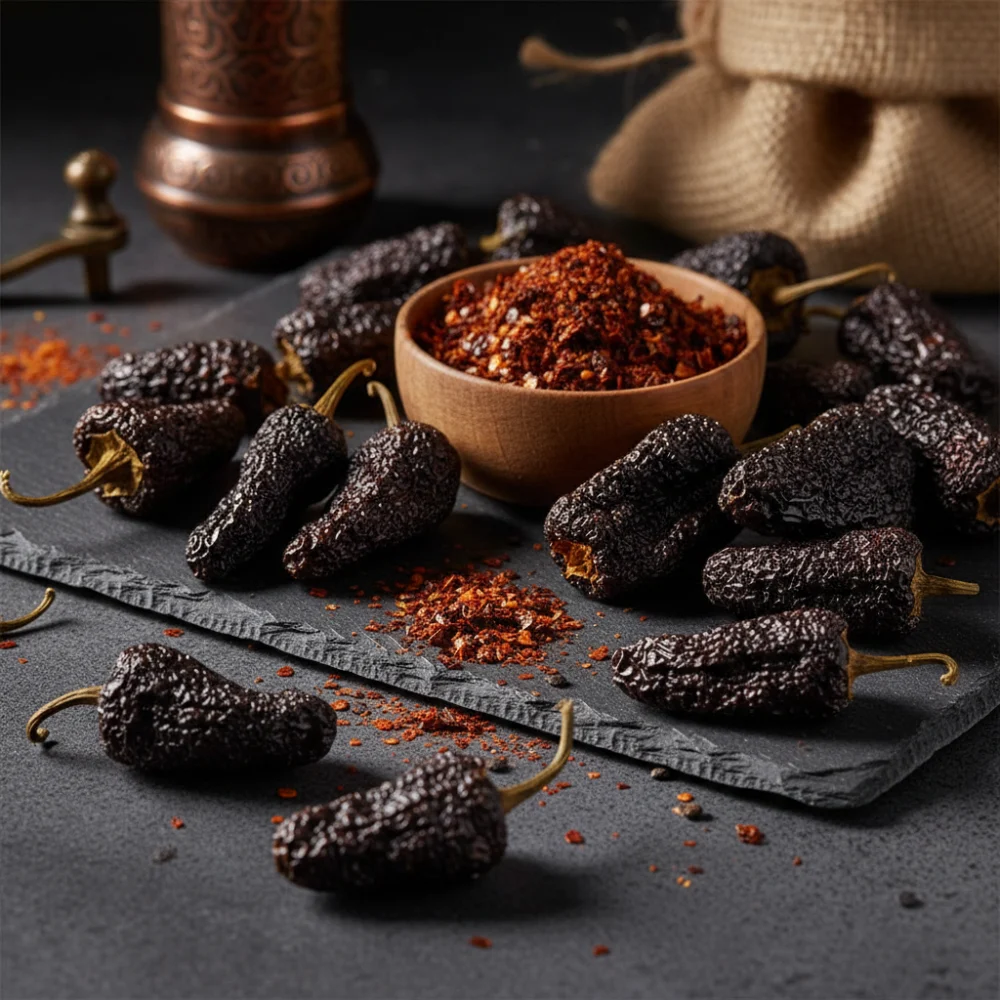
In the vast world of spices, few ingredients command as much intrigue and respect as Urfa Biber. Often referred to as Isot pepper (leading to the occasional linguistic mix-up with ‘isotope’), this chili is a culinary gem from the Şanlıurfa region of Southeastern Turkey. Unlike the sharp, aggressive heat of generic red pepper flakes, Urfa Biber offers a sophisticated, brooding depth of flavor. It is easily recognized by its deep purple, almost black color and its glistening, oily texture. This guide will walk you through exactly what makes this chili unique and how to utilize its smoky, raisin-like sweetness in your kitchen.
Requirements for Culinary Exploration
To truly understand and utilize Urfa Biber, you do not need complex equipment, but you do need the right ingredients to let the spice shine. Before you begin experimenting, ensure you have the following:
- Authentic Urfa Biber: Look for flakes that are slightly moist and dark purple or black. Avoid dry, dusty generic varieties.
- Fats: High-quality olive oil, butter, or yogurt act as vehicles for the pepper’s oil-soluble flavor compounds.
- Base Ingredients: Lamb, eggplant, tomatoes, or dark chocolate are the ideal canvases for this spice.
Step 1: Understanding the ‘Sweating’ Process
The defining characteristic of Urfa Biber is its color and texture, which are achieved through a specific curing method. Unlike chilies that are simply left to dry in the sun until brittle, Urfa peppers undergo a two-part process. First, they are sun-dried during the day. However, at night, the farmers wrap the peppers tightly in fabric or plastic. This process, known as ‘sweating,’ traps the remaining moisture and natural oils inside the pepper. This cycle is repeated, causing the skin to darken to a deep purple-black and preserving the natural essential oils that give the spice its moist texture and distinct aroma.
Step 2: Identifying the Flavor Profile
Before cooking with it, taste a small pinch of the flakes to understand the complexity. You will notice that the heat is not instantaneous. Urfa Biber has a lingering, building heat rather than a sharp bite. The primary flavor notes are earthy and smoky, often described as resembling tobacco, raisins, or chocolate. There is a distinct sweetness that balances the moderate spiciness, making it far more versatile than standard cayenne or crushed red pepper.
Step 3: Using Urfa Biber in Savory Dishes
The traditional application of Urfa Biber is in Turkish and Middle Eastern cuisine. It is the perfect finishing spice. Try sprinkling it generously over Baba Ganoush or hummus to cut through the richness of the tahini. It pairs exceptionally well with fatty meats; kneading a tablespoon of Urfa Biber into lamb meatballs (kofte) or sprinkling it over grilled kebabs adds a smokiness that mimics charcoal grilling. It is also excellent when tossed with roasted root vegetables or stirred into a yogurt-based marinade.
Step 4: Pairing with Sweet and Acidic Flavors
Because of its dried-fruit notes, Urfa Biber bridges the gap between savory and sweet. A modern and sophisticated way to use this spice is in desserts. The chili pairs beautifully with dark chocolate, enhancing the cocoa’s bitterness with its own earthy heat. Try adding a teaspoon to brownie batter or chocolate mousse. Alternatively, use it to season fruit salads composed of stone fruits or melon; the heat contrasts with the acidity and sugar of the fruit for a refreshing summer snack.
Urfa Biber is more than just a source of heat; it is a flavor enhancer that brings a smoky, tanned depth to any dish it touches. By understanding its unique production process—the sweating that creates its dark purple hue—and its complex flavor profile of raisins and smoke, you can transform simple meals into gourmet experiences. Whether you are grilling lamb or baking a chocolate cake, this Turkish spice is an essential addition to a well-stocked pantry.

Related Posts