Introduction to Wasabi Powder
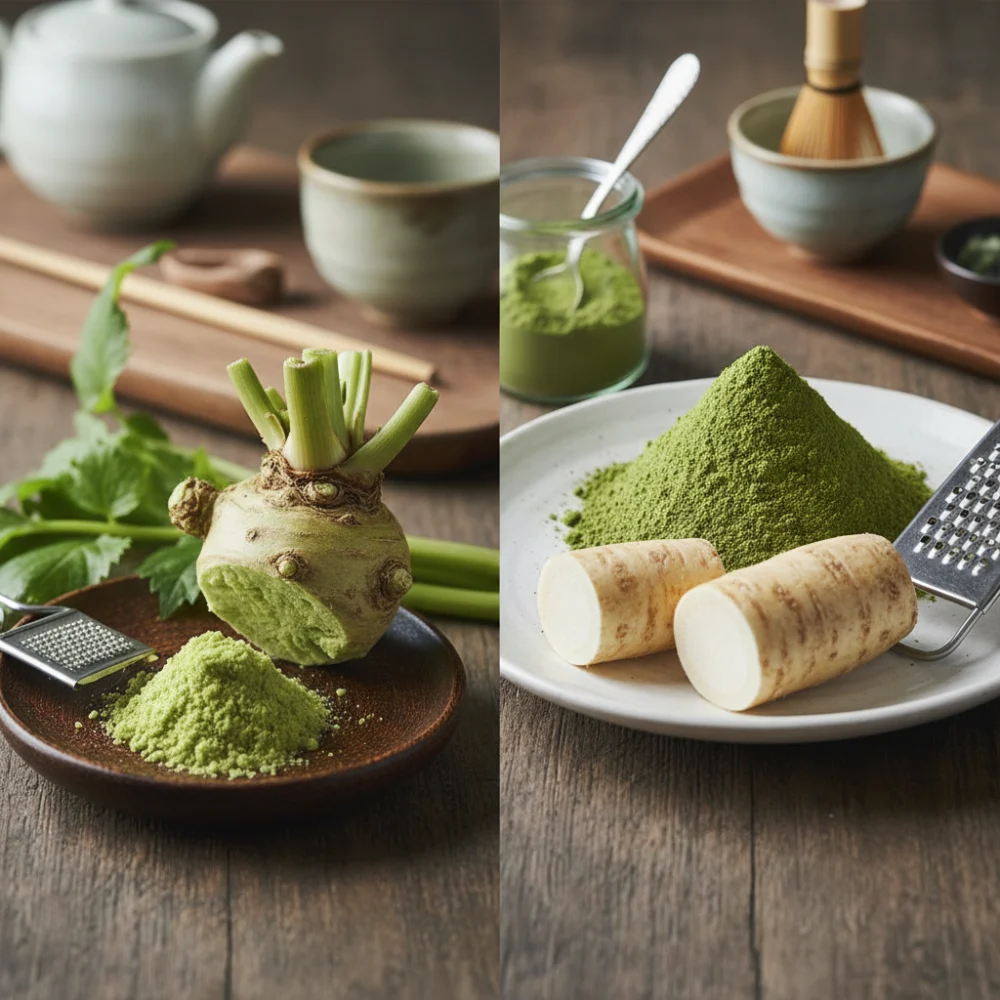
Wasabi is a cornerstone of Japanese gastronomy, famous for its unique, pungent heat that stimulates the sinuses rather than the tongue. While many enjoy the green paste served alongside sushi, few realize that there is a significant difference between authentic wasabi and the common powder found in most grocery stores. Wasabi powder is a dehydrated form of the plant that can be reconstituted with water to create a versatile condiment. Understanding the nuances between real wasabi and its horseradish-based counterparts is essential for any culinary enthusiast.
Requirements for Preparation
To explore the flavors of wasabi and prepare a high-quality paste at home, you will need the following items:
- Authentic wasabi powder or horseradish-based wasabi powder.
- Cold, filtered water.
- A small ceramic or glass mixing bowl.
- A small spoon or bamboo spatula.
- A clean cloth or lid for covering the mixture.
Step 1: Distinguishing Real Wasabi from Horseradish
The first step is identifying your product. True wasabi, or Wasabia japonica, is difficult to grow and expensive. Most commercial powders are actually made from horseradish, mustard flour, and green food coloring. Check the ingredient label; if it does not list wasabi rhizome as the first ingredient, it is likely an imitation. Real wasabi has a more complex, sweet, and herbal flavor profile compared to the sharp, aggressive bite of horseradish-based powders.
Step 2: Measuring the Correct Ratio
To create the perfect paste, consistency is key. Measure out the desired amount of powder into your mixing bowl. The standard ratio for most powders is one part powder to one part water. If you prefer a stiffer paste that can be molded into decorative shapes, use slightly less water. For a smoother, more spreadable texture, a precise 1:1 ratio is recommended to ensure all particles are fully hydrated.
Step 3: The Mixing and Activation Process
Slowly add the cold water to the powder. Using your spatula or spoon, stir the mixture vigorously. This mechanical action is crucial because it triggers a chemical reaction between enzymes and compounds in the plant material, creating the allyl isothiocyanate responsible for the heat. Continue stirring until the paste is completely smooth and there are no visible dry spots of powder remaining.
Step 4: Resting for Maximum Potency
Once the paste is mixed, turn the bowl upside down or cover it with a lid. Let the wasabi rest for approximately two to five minutes. This resting period allows the flavors to reach their peak intensity. However, do not wait too long; the volatile compounds that give wasabi its kick are highly unstable and will begin to lose their potency after about twenty minutes of exposure to air.
Conclusion
Whether you are using genuine Hon-wasabi or a high-quality horseradish substitute, the method of preparation remains the same. By understanding the ingredients and following the proper hydration steps, you can elevate your dining experience. Real wasabi offers a fleeting, delicate heat that complements high-end sashimi, while horseradish-based powder provides the familiar, powerful punch that many have grown to love in modern fusion cuisine.

Related Posts