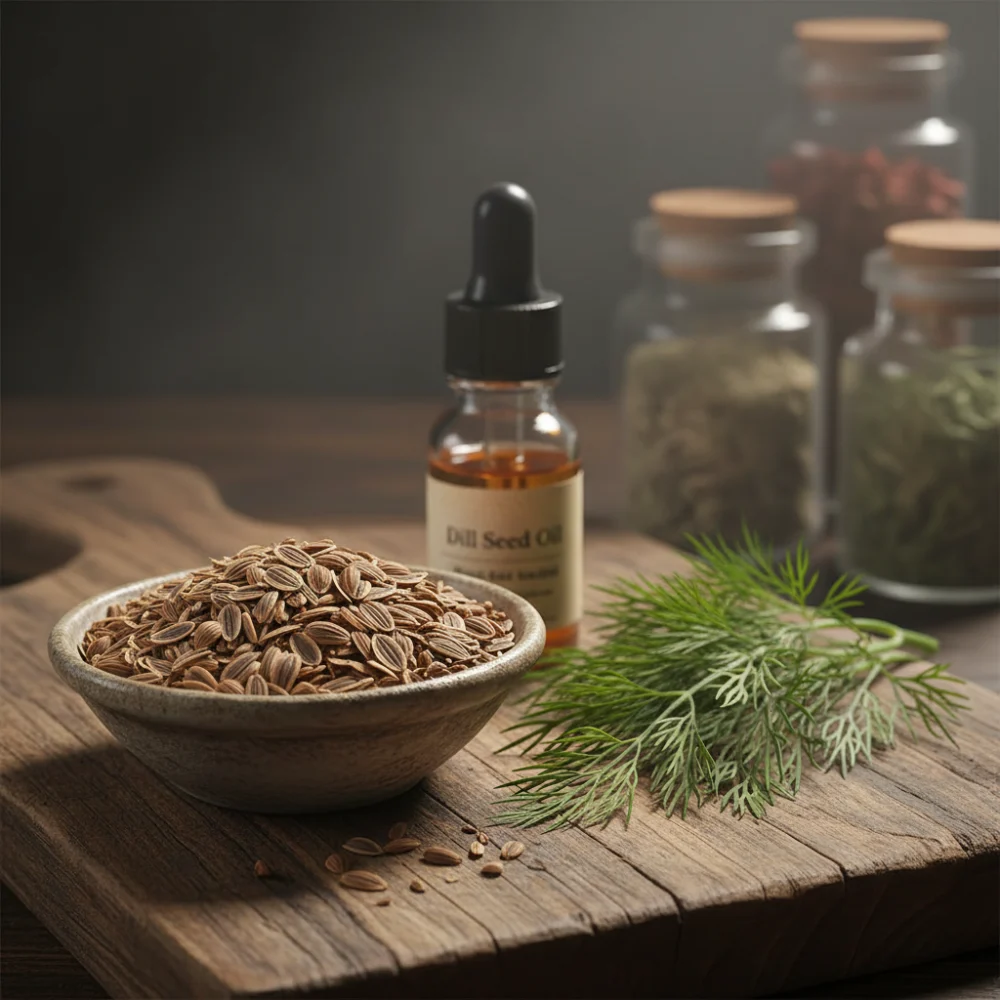
Dill, scientifically known as Anethum graveolens, is a unique herb because it produces two distinct flavor profiles from the same plant. While the feathery green leaves, often called dill weed, offer a fresh and citrusy aroma, the seeds provide a much more intense, earthy, and pungent flavor. Understanding why the seeds are stronger is essential for any culinary enthusiast looking to balance flavors in pickles, breads, and stews.
Essential Items for Flavor Comparison
To truly understand the difference in potency, you will need the following items:
- Fresh Dill Weed: The bright green leaves of the plant.
- Whole Dill Seeds: The dried fruit of the dill plant.
- Mortar and Pestle: For releasing the volatile oils in the seeds.
- Warm Water: To help bloom the aromas for sensory testing.
Step 1: Identify the Chemical Concentration
The primary reason for the strength of dill seeds lies in their chemical makeup. Both parts of the plant contain carvone and limonene, but the concentration of carvone is significantly higher in the seeds. Carvone is the compound responsible for the spicy, rye-like aroma. While the leaves contain more alpha-phellandrene, which provides a light, grassy scent, the seeds are packed with concentrated oils that dominate the palate.
Step 2: Evaluate Moisture and Density
Dill leaves are high in water content and have a delicate cell structure. When leaves are dried or cooked, these volatile oils evaporate quickly, leading to a milder taste. In contrast, dill seeds are the mature, dried ovaries of the plant. They are dense, low in moisture, and designed to protect the embryo. This density means that the flavor compounds are locked in a compact form, resulting in a much higher flavor-to-weight ratio than the leaves.
Step 3: Test Heat Resistance
Another factor in perceived strength is how the two components react to heat. If you simmer dill leaves in a soup, the flavor often disappears within minutes. However, dill seeds require heat to break down their tough outer shells and release their oils. Because the seeds can withstand long cooking times without losing their potency, they often taste much stronger in finished dishes like pickles or slow-cooked roasts.
Conclusion: Selecting the Right Part for Your Dish
In summary, dill seeds taste stronger because they possess a higher concentration of essential oils, particularly carvone, and have a lower moisture content that preserves these compounds. Use dill weed when you want a fresh, delicate garnish for salads or fish, and reach for dill seeds when you need a robust, spicy backbone for pickling brines and hearty breads.

Related Posts